





















ABS Pulsation vs Bad Brakes How to Tell
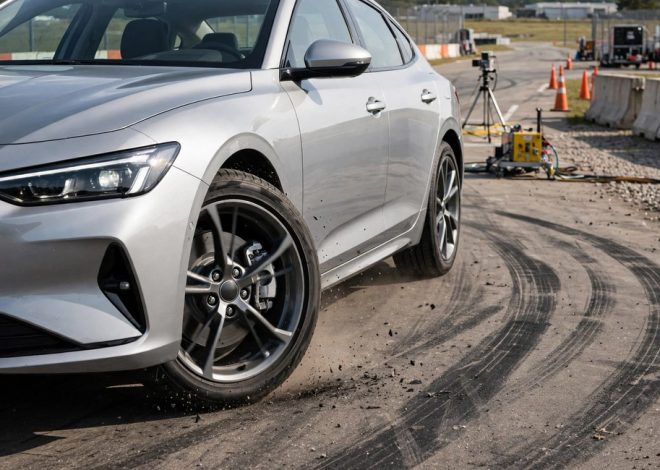
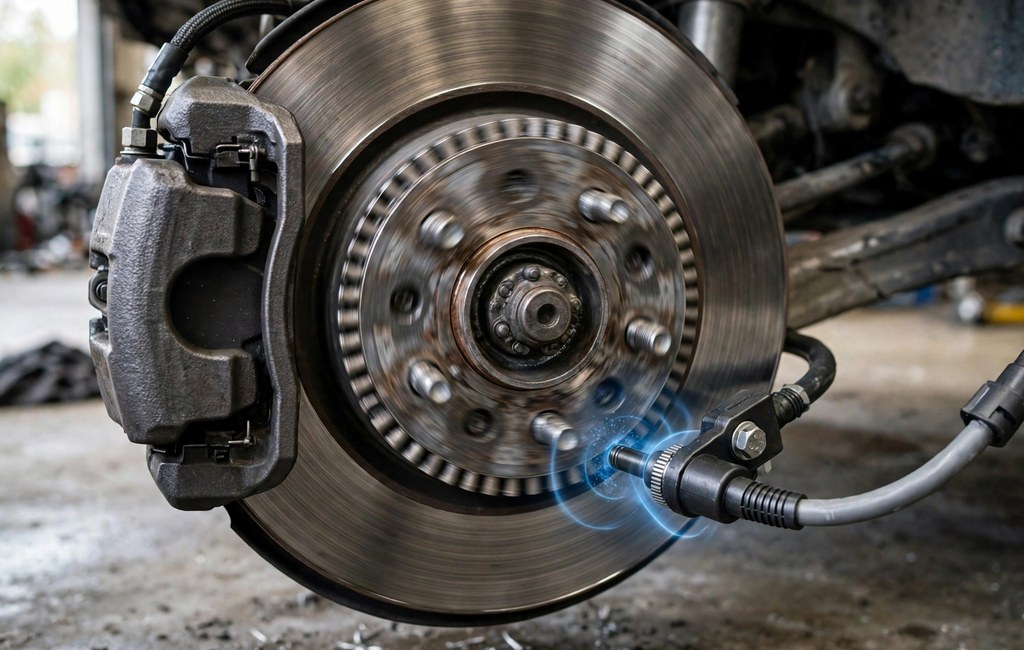
Normal ABS pulsation feels rapid and violent during hard stops only. In contrast, faulty brakes pulse rhythmically during gentle stops on dry roads. Therefore, the conditions around each pulse reveal the real cause quickly.
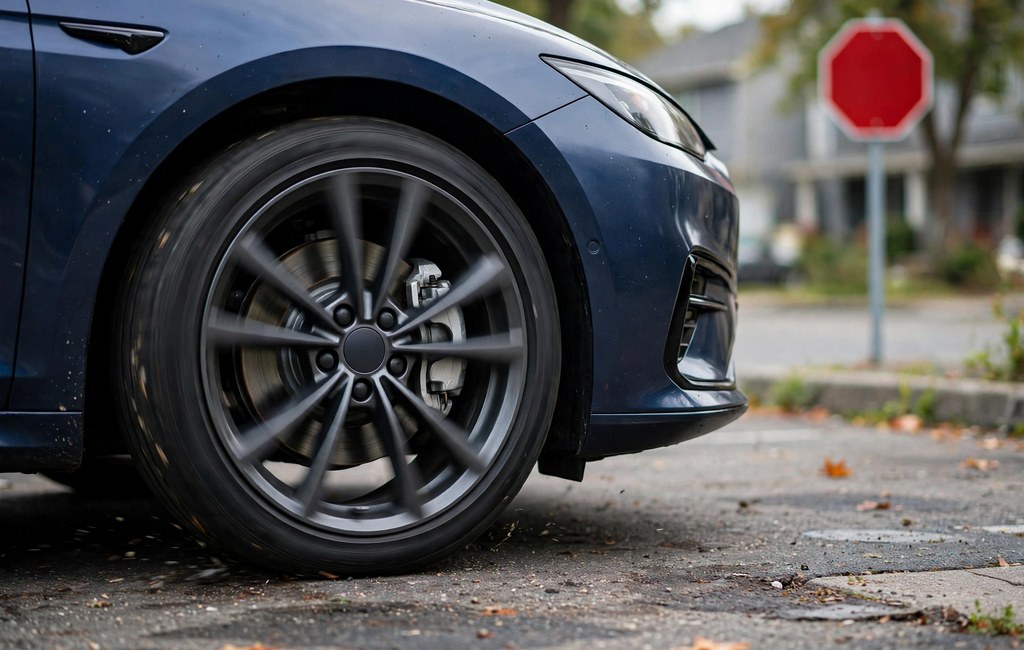
Car Shakes When Braking at Low Speeds
Braking at low speeds usually exposes uneven pad contact, dragging calipers, or rear brake faults. In contrast, highway shaking often comes from rotor variation that pulses at higher wheel speeds. However, slow stops expose final-rotation judder that faster braking can mask.
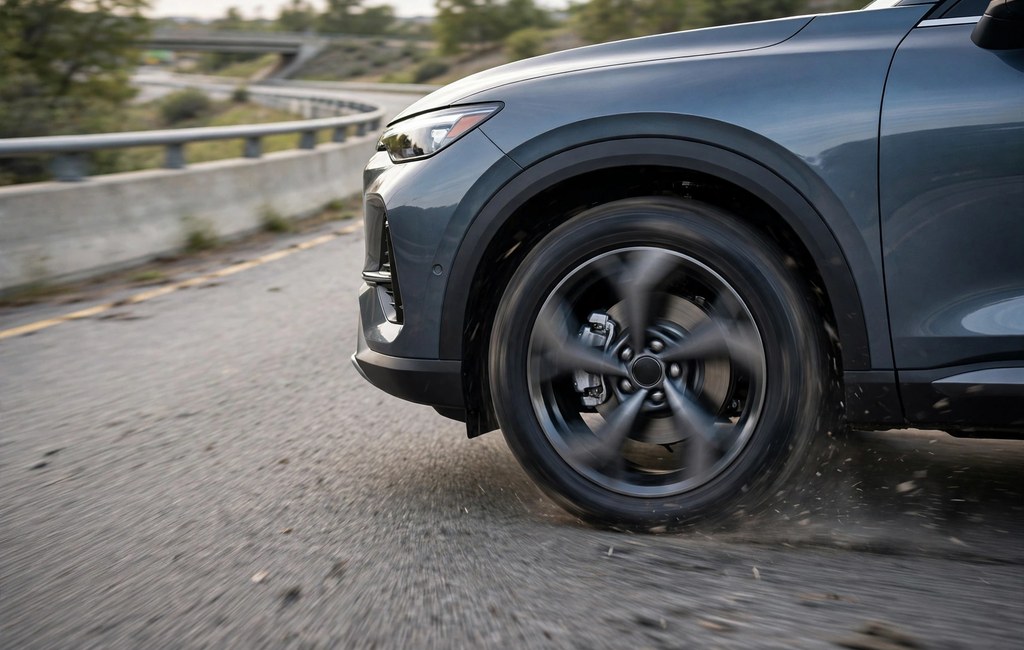
Car Shakes When Braking at High Speeds
Braking at high speeds converts far more motion energy into heat. Therefore, even tiny rotor flaws create strong vibration during those stops. However, the same flaw often feels invisible during slow neighborhood braking.
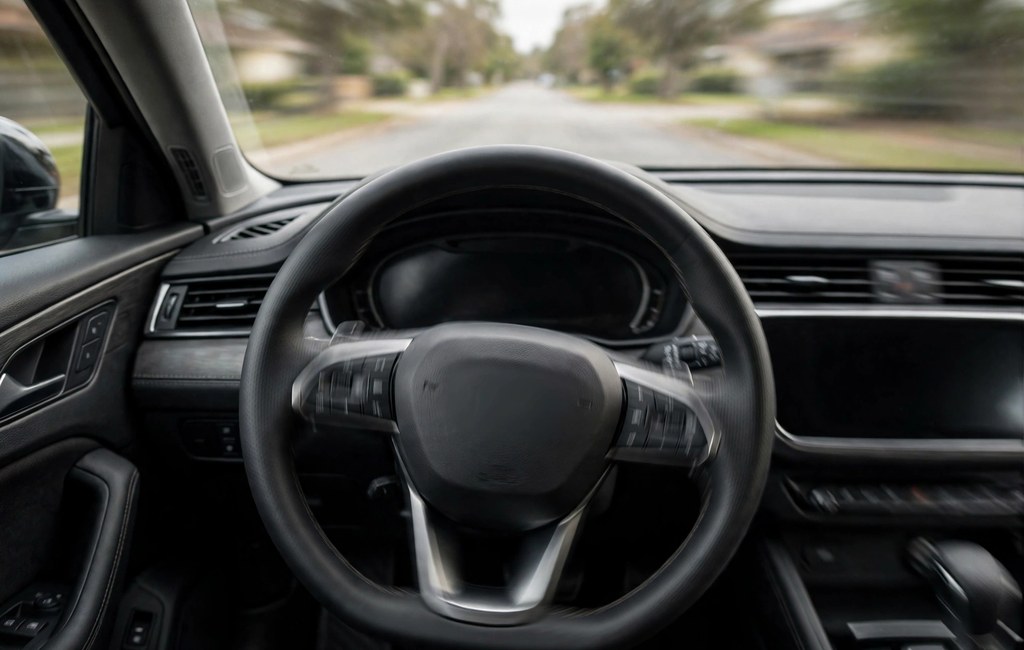
Why Steering Wheel Shakes When Braking
Your steering wheel shakes during braking because front rotors usually pulse unevenly under pressure. That pulse then travels through the hub, suspension, and steering linkage directly. Therefore, the wheel often reveals the faulty front corner before inspection begins.
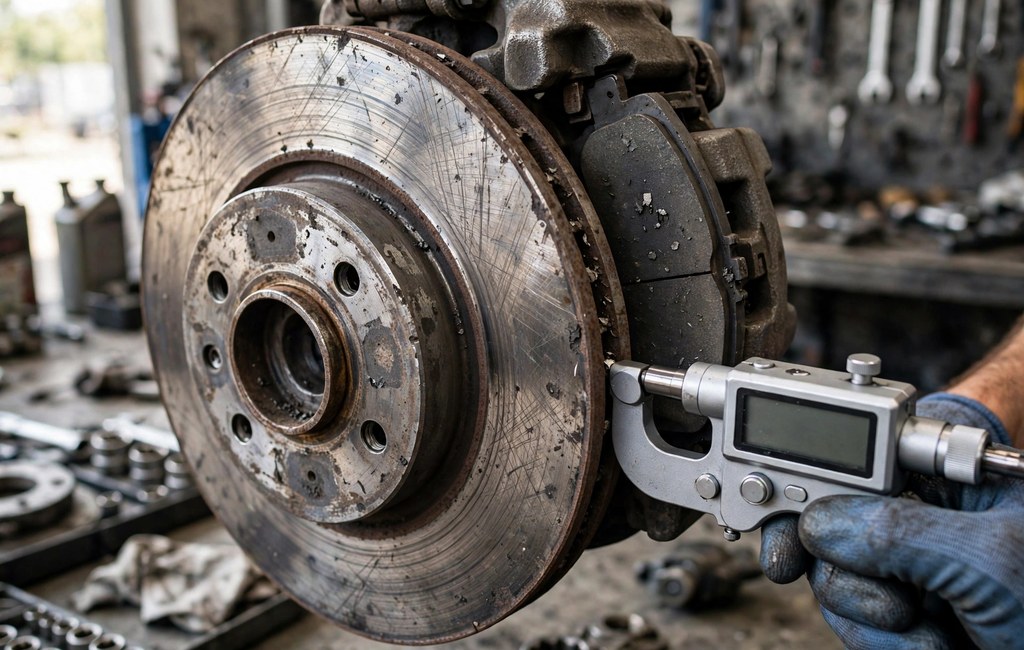
How Bad Brake Rotors Cause Vibration
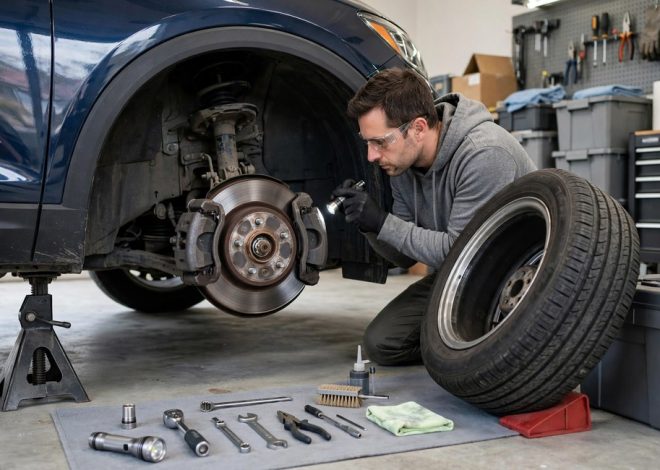
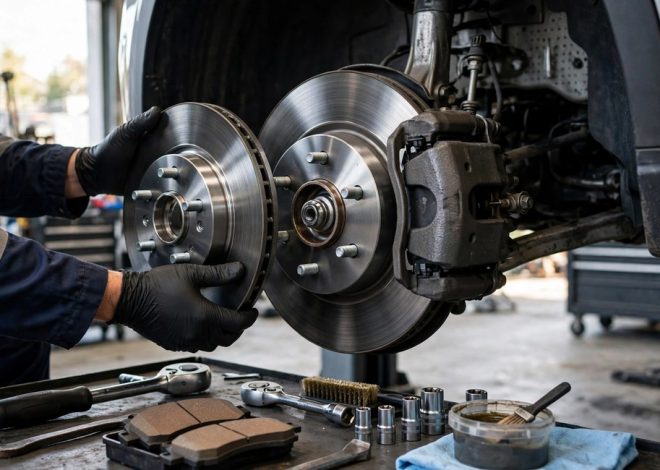
First, uneven brake rotors cause vibration because pads grip thick spots harder than thin spots. Therefore, each brake application sends uneven pulses through the pedal and steering wheel.

San Diego International Auto Show 2027: New Vehicles, Test Drives and Attractions
The year ends with a bang in Southern California. Car fans, families, and shoppers all head to the San Diego International Auto Show 2027. The event runs from December 31, 2026, to January 3, 2027. Therefore, you can celebrate New Year’s Eve and still start the new year with fresh ideas for your next ride.
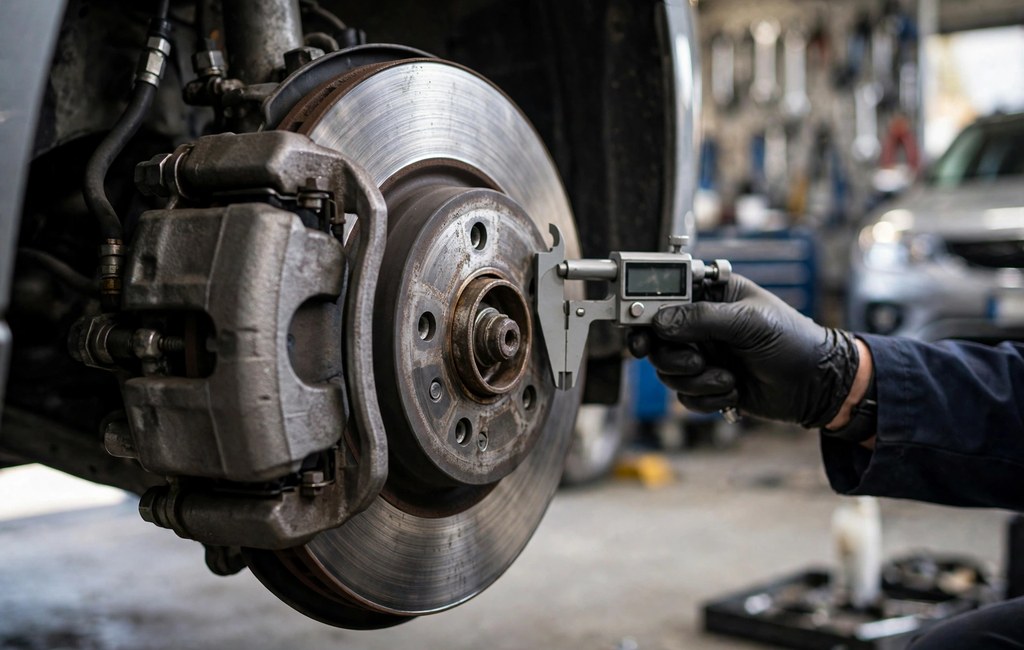
Car Shakes When Braking Causes and Fixes
Your car shakes when braking because uneven braking force reaches your hands, foot, or seat. Most often, bad brake rotors cause vibration by gripping and releasing pads unevenly during each wheel rotation. However, worn pads, sticking calipers, and loose suspension parts also create similar shaking under braking.
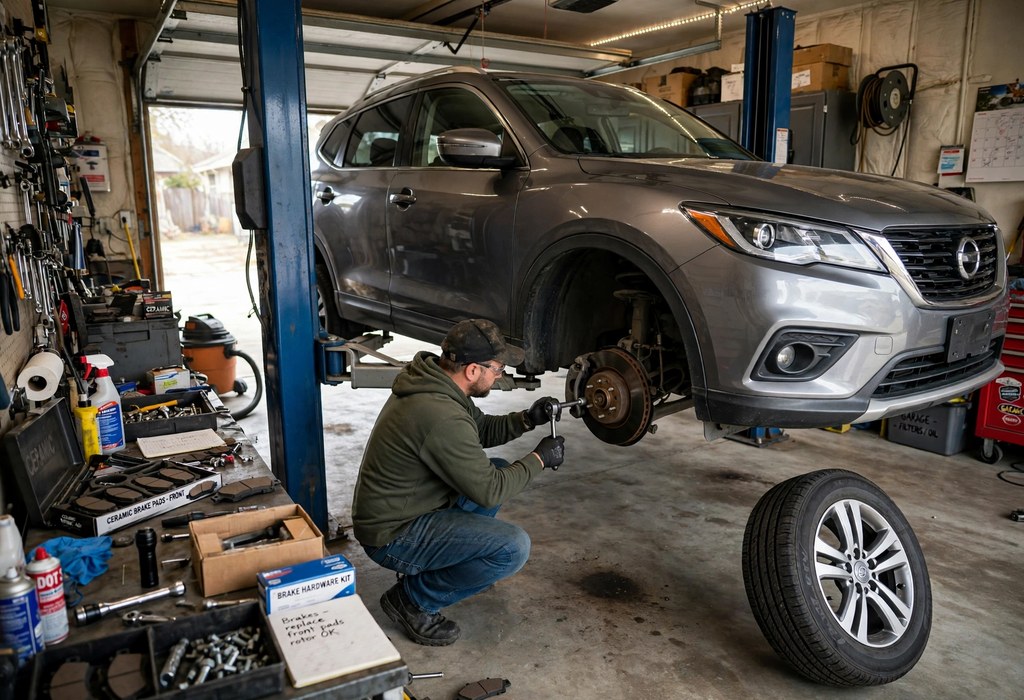
Best Car Lift for DIY Auto Repair: Comparing Scissor, Two-Post, and Four-Post Lifts
The best car lift for DIY auto repair depends entirely on your repair tasks. However, two-post lifts suit most underbody repairs, while scissor lifts suit quick wheel work. Meanwhile, four-post lifts suit easy drive-on service when you add proper jack support.
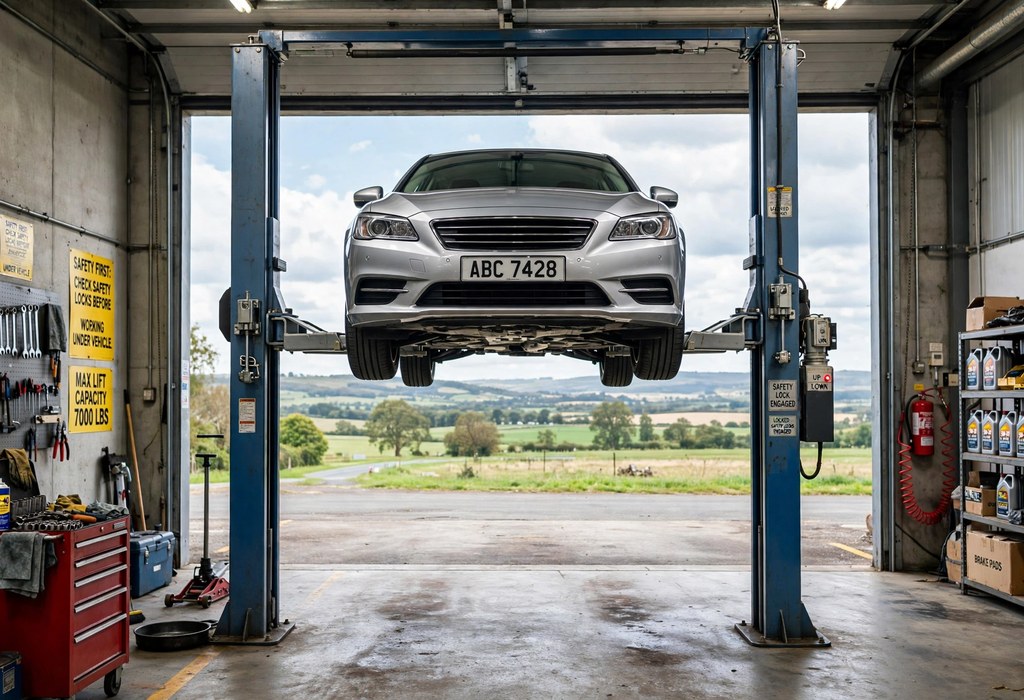
Garage Car Lift Safety: Weight Ratings, Concrete Thickness, and Inspection Tips
Garage car lift safety starts with respecting rated capacity and solid concrete. Additionally, drivers must center vehicle weight and inspect locks, cables, and anchors regularly. Together, these habits prevent tipping, slipping, and sudden drops during service work.
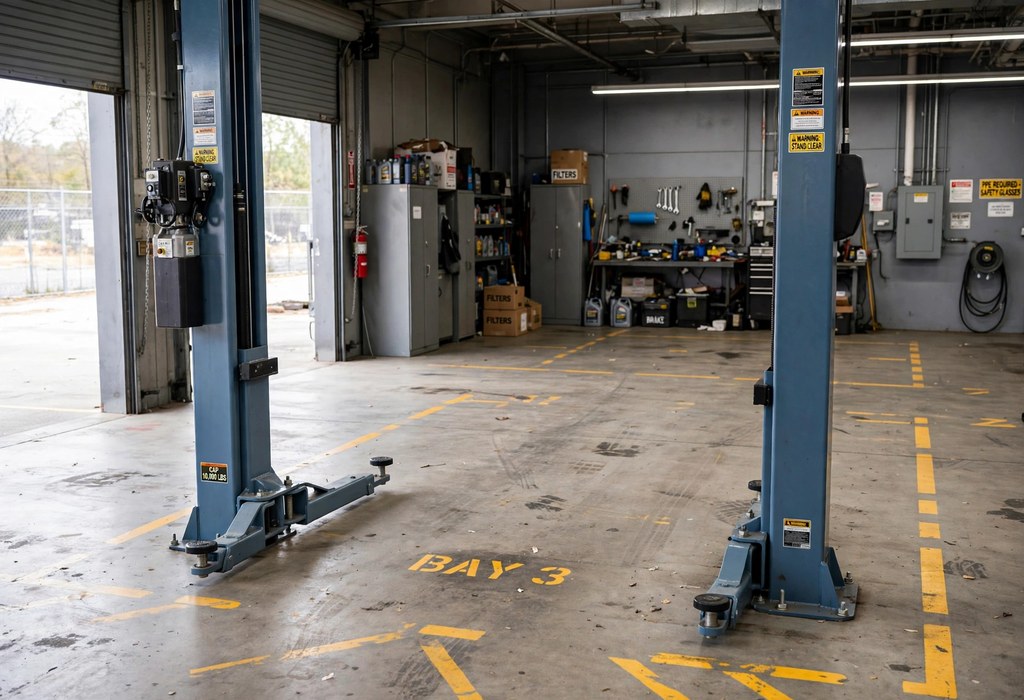
How to Install a Car Lift in a Residential Garage: Step-by-Step Guide
Overall, you can install a car lift in a residential garage safely and methodically. First, you verify concrete, ceiling height, and electrical capacity before you lift any steel. Then you assemble, anchor, wire, level, and test the lift in strict sequence.