Best Car Lift for DIY Auto Repair: Comparing Scissor, Two-Post, and Four-Post Lifts
The best car lift for DIY auto repair depends entirely on your repair tasks. However, two-post lifts suit most underbody repairs, while scissor lifts suit quick wheel work. Meanwhile, four-post lifts suit easy drive-on service when you add proper jack support.
First, match lift access to each job before you compare lifting height or capacity. Additionally, each design opens different areas and blocks other areas during real repairs. Therefore, this guide judges every lift type strictly by common repair tasks. Consequently, you can choose confidently without chasing one overall winner for every job.
Judge Each Car Lift for DIY Repair Tasks First
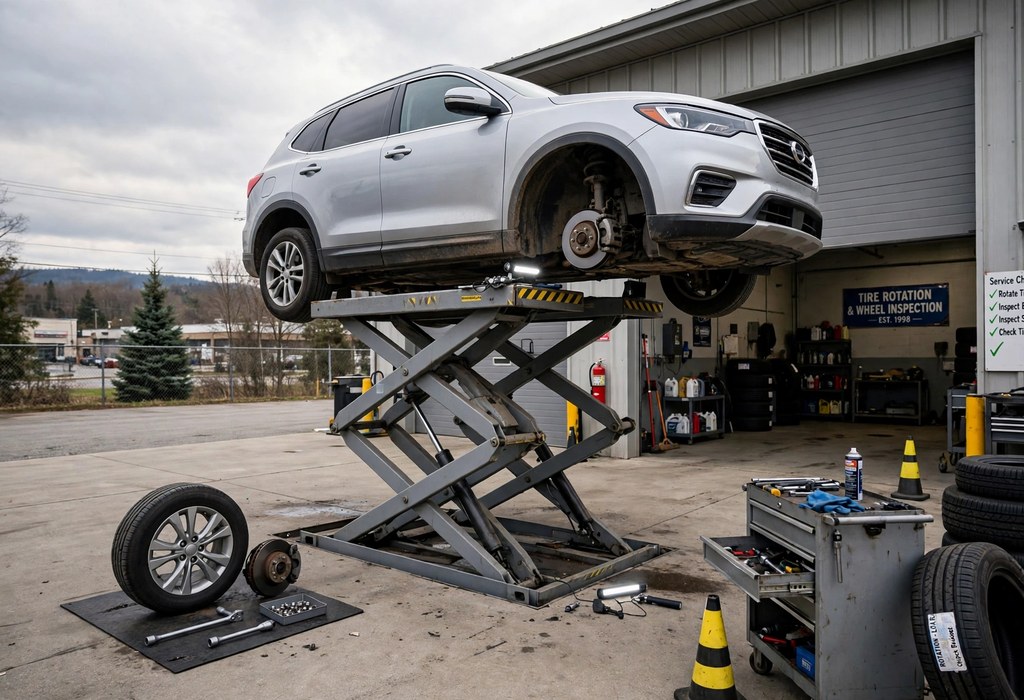
Importantly, repair access matters more than runway style or lifting mechanism alone. For instance, open wheel access helps brakes, while open center access helps exhaust work. Similarly, drive-on ease helps fluids, yet it can slow deeper mechanical repairs.
Before you decide, review the car lift for garage for core safety and setup basics. Additionally, that foundation helps you judge each lift against your actual repair list. Then, focus next on access, stability, and wheel clearance for each task.
How Scissor Lifts Support Daily Repairs
Scissor lifts raise vehicles with crossing steel arms and compact lifting platforms. However, their center frame often blocks exhaust, driveshaft, and transmission service access. Still, their open sides expose wheels, brakes, and suspension parts very clearly.
How Two-Post Lifts Open the Underbody
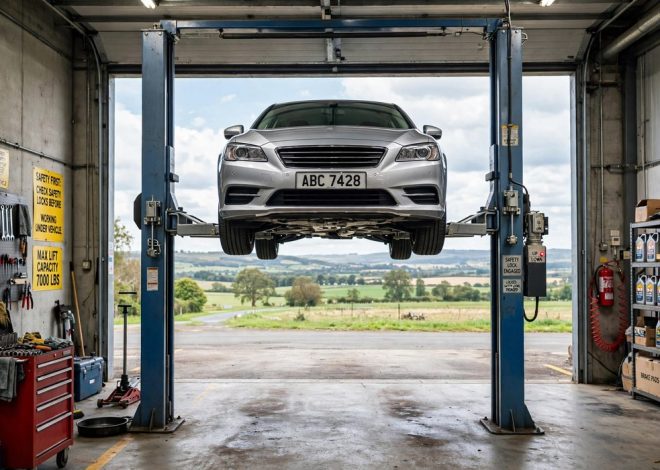
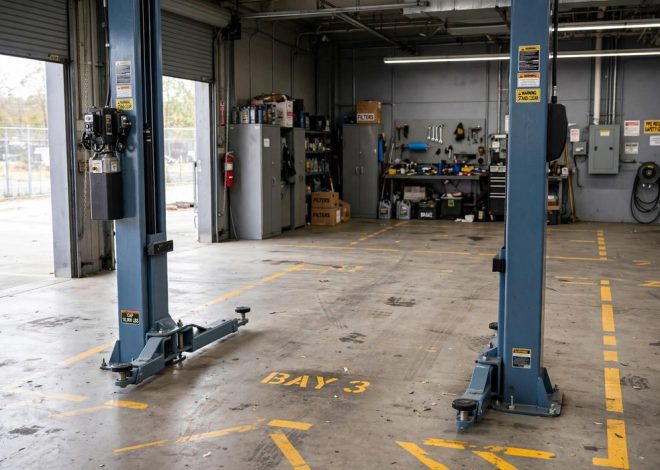
Two-post lifts support vehicles on adjustable arms placed at factory lift points. Consequently, wheels hang freely and the full underbody stays open for repairs. However, you must position arms carefully and anchor posts into strong concrete.
How Four-Post Lifts Simplify Drive-On Jobs
Four-post lifts support vehicles on two runways under all four tires. Therefore, loading feels simple because you simply drive on and lift. Nevertheless, runways block wheel removal unless you add a rolling jack.
Best Car Lift for DIY Oil Changes and Fluid Service
For oil changes, four-post lifts offer the fastest and simplest workflow overall. Similarly, scissor lifts also work well because drain plugs stay fairly accessible. Meanwhile, two-post lifts work well too, but arm placement adds setup time.
- Oil and filter access: Overall, all three lifts raise vehicles enough for clean draining.
- Transmission fluid service: Notably, two-post lifts give the clearest access to pans and lines.
- Coolant and inspections: Meanwhile, four-post lifts simplify checks because loading takes only minutes.
Best Lift for Tire, Brake, and Suspension Work
For tire rotation, scissor lifts excel because all four wheels stay exposed. Additionally, two-post lifts excel here because wheels hang free without runway interference. In contrast, four-post lifts need jack trays or a rolling jack first.
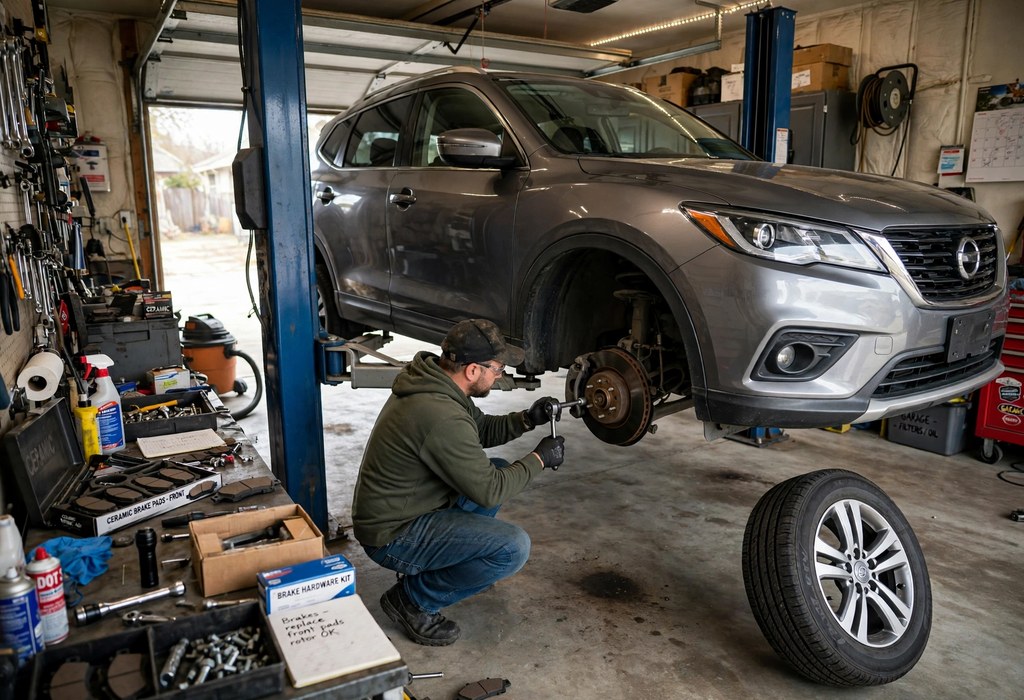
For brake work, two-post and scissor lifts both allow quick wheel removal. Moreover, both designs expose calipers, rotors, and brake lines without extra equipment. However, four-post lifts become capable once the rolling jack lifts the axle.
For suspension work, two-post lifts provide the best access and working room. Specifically, free-hanging wheels let you unload springs, struts, and control arms safely. Still, scissor lifts handle lighter suspension jobs when center access matters less.
Readers comparing platforms directly can review the two-post versus four-post car lift breakdown for background. However, this article keeps its verdicts tied strictly to each repair task. Therefore, use that background only after you rank your own repair priorities.
Best Lift for Exhaust, Transmission, and Engine Work
For exhaust work, two-post lifts clearly lead because the center stays open. Additionally, you can lower whole exhaust systems without fighting frames or runways. In contrast, scissor frames and four-post runways both restrict center access significantly.
For transmission access, two-post lifts again provide the freest working space underneath. Moreover, open access helps with transmission jacks, clutch service, and driveshaft removal. Meanwhile, four-post lifts allow some access between runways, but clearance stays limited.
For engine work, the best choice depends on access from above or below. Specifically, two-post lifts help with subframe, starter, and lower engine service. Nevertheless, four-post lifts feel steadier during long top-side engine repairs at height.
If space limits your shortlist, explore the mini car lift for garage options as alternatives. However, smaller lifts still involve tradeoffs around height, stability, and underbody access. Therefore, judge those alternatives by repair task, not by footprint alone.
Car Lift for DIY Safety, Capacity, and Setup Checks
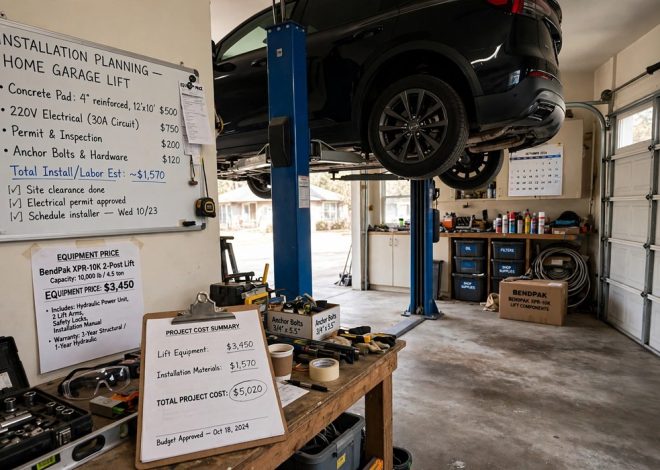
First, choose ALI certified lifts because certification confirms tested safety standards. Additionally, home models commonly offer capacities between 6,000 and 10,000 pounds. Therefore, match capacity to your heaviest vehicle plus a clear safety margin.
For two-post lifts, concrete must measure at least four inches thick. Moreover, that concrete should reach 3,000 PSI for secure post anchoring. Meanwhile, mid-rise scissor lifts commonly rise about 48 inches during service.
- Locking systems: Importantly, mechanical locks should engage clearly at every lifting height.
- Arm restraints: Similarly, two-post arms should lock securely at factory lift points.
- Rolling jacks: Finally, four-post jacks should roll smoothly and lock before wheel removal.
Frequently Asked Questions
What type of car lift for DIY use is best at home?
Overall, the best type depends on whether you prioritize underbody or wheel access.
Which car lift for DIY oil changes is best?
For oil changes, four-post lifts lead because drive-on loading makes service fast.
Can you do brake work on a four-post lift?
Yes, you can do brake work after adding a rolling jack.
How thick should concrete be for a two-post lift?
Specifically, concrete should measure at least four inches at 3,000 PSI.
Are scissor lifts good for transmission work?
Generally, scissor lifts suit transmission work poorly because center frames block access.
Conclusion
Ultimately, choose the lift that matches your most frequent and demanding repairs. For example, choose two-post access for underbody work and scissor access for wheels. Meanwhile, choose four-post ease for fluids and add jack support for wheels.
Next, list your top five repairs and score each lift against them. Then, verify certification, capacity, and concrete before you order your chosen lift. Finally, order the task winner and start planning your first repair project.