Car Shakes and Pulls to One Side When Braking
Your car pulls to one side and shakes because braking force differs left to right. One wheel grips harder, so that side slows faster and steers the car. Meanwhile, uneven grip also creates vibration through the steering wheel and pedal. Also, the stronger side pulls while the weaker side shakes and lags.
However, balanced braking keeps both front wheels slowing evenly and straight. Therefore, any caliper, pad, hose, or suspension fault breaks that balance quickly. For example, early inspection restores control and prevents longer stopping distances. Next, technicians compare heat, wear, and pressure across both sides carefully.
Why a Car Pulls to One Side Under Uneven Braking
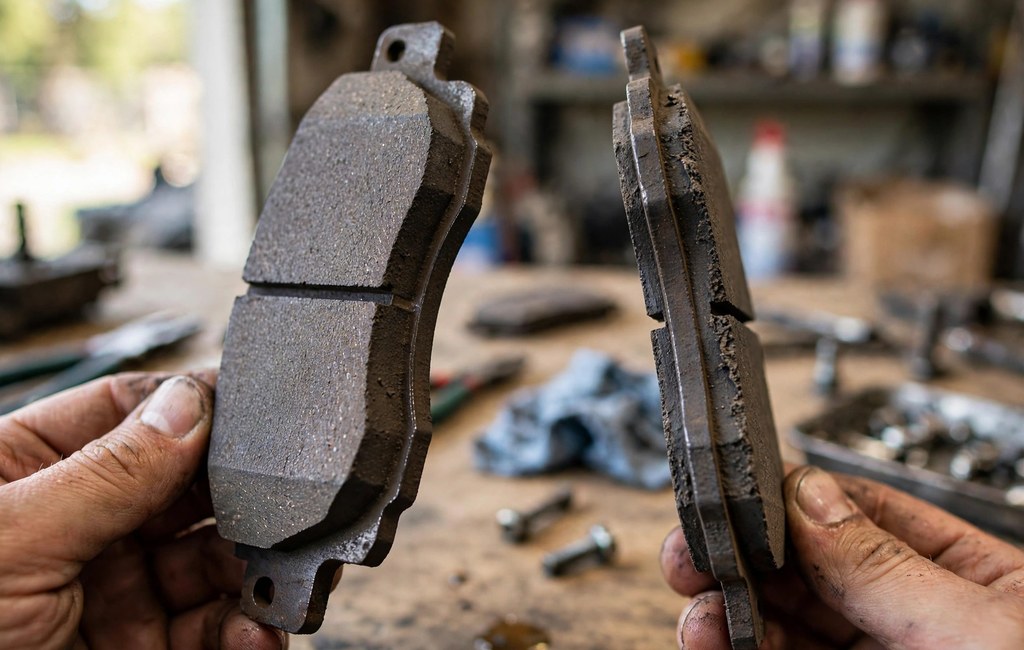
Braking force must match left to right for straight, stable stopping. For example, when car shakes when braking joins a pull, imbalance dominates. Consequently, the stronger wheel yaws the car toward its own side.
Also, front brakes carry most stopping load during firm pedal pressure. Therefore, small front differences create larger pulls than rear differences. In contrast, equal force keeps steering centered and vibration stays minimal. In most cases, the car pulls to one side because one caliper grips harder.
- Stronger side: It slows faster and pulls steering toward itself. Also, it often runs hotter after repeated stops.
- Weaker side: It contributes less friction and lets the car drift away. However, it may still shake from uneven rotor contact.
- Balanced pair: Both wheels slow together and keep the car tracking straight. Additionally, balanced grip shortens stops and reduces steering corrections noticeably.
Sticking Calipers: Why the Car Pulls to One Side
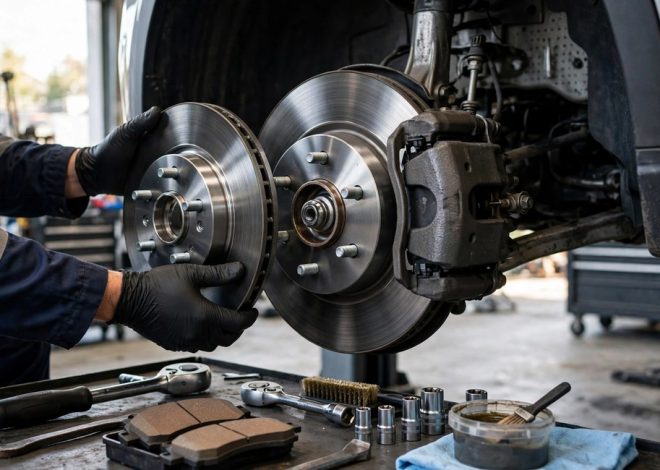
Calipers squeeze pads against rotors and create friction at each wheel. However, corrosion or dry slide pins stop the caliper moving freely. Therefore, one caliper applies late, drags constantly, or releases too slowly. As a result, that wheel breaks the left to right balance.
First, a caliper that sticks open clamps weakly and contributes little. Next, the healthy opposite caliper dominates and pulls the car sideways. In contrast, a caliper that sticks closed drags and overheats constantly. Also, drivers often notice burning smells and excessive heat nearby.
Technicians inspect piston movement, slide pins, boots, and pad wear patterns. Then, they compare wheel temperatures after a short, careful test drive. Finally, they replace seized calipers and restore free pin movement promptly. That is why the car pulls to one side during nearly every stop.
Uneven Pad Wear Pulls the Car to One Side
Pads must match in thickness and condition across each axle too. However, one thin or tapered pad contacts the rotor unevenly. Therefore, that side grips weakly, grabs suddenly, or pulsates under pressure.
For example, a seized pin wears only the piston side pad. Similarly, contamination from fluid or grease lowers friction on one side. Also, mismatched pad compounds create different grip levels during each stop. In addition, uneven deposits transfer onto rotors and amplify the shaking.
Technicians measure pad thickness left to right and inspect both faces. Next, they replace pads in axle pairs and fix the cause. Otherwise, new pads wear unevenly again and the pull returns quickly. Over time, the car pulls to one side worse as pads wear unevenly.
Brake Fluid and Hydraulic Pressure Problems
Hydraulic pressure must also reach both calipers equally and release fully. However, low fluid, air, or moisture weakens pressure and pedal feel. Therefore, one side may respond slower while the other grips normally.
For example, a collapsed brake hose restricts fluid flow internally. Sometimes, the damaged inner lining acts like a one-way valve. As a result, fluid reaches the caliper but cannot return freely. Consequently, that brake stays applied and drags after pedal release.
In contrast, a hose that blocks inflow starves the caliper completely. Then, the opposite brake dominates and pulls the car toward itself. Technicians crack the bleeder and watch whether trapped pressure releases instantly. Finally, they replace faulty hoses in pairs and bleed the system. Simply put, the car pulls to one side whenever braking force stays unbalanced.
Suspension and Steering Faults Under Braking
Suspension parts hold each wheel steady while braking forces surge forward. However, worn bushings let the control arm shift under braking load. Therefore, alignment changes suddenly and the wheel steers itself sideways briefly.
For example, loose tie rod ends let toe change during stops. Similarly, worn ball joints let the knuckle move and shake noticeably. Also, weak struts let one corner dive more than the other. In addition, uneven tire pressures reduce grip and exaggerate any pull.
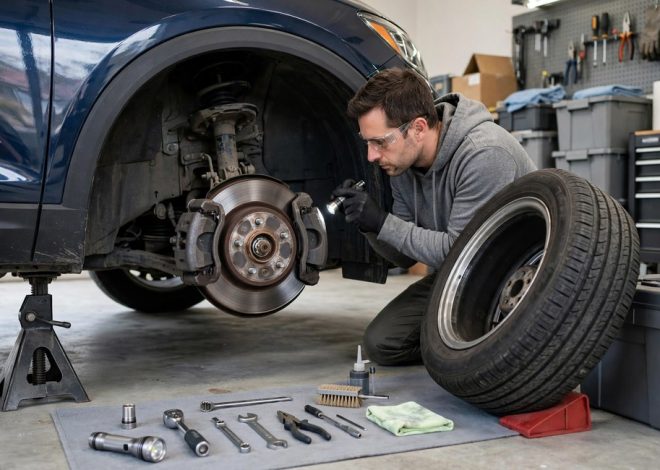
Technicians shake each wheel and inspect bushings, joints, and mounts closely. Next, they check alignment only after they repair worn parts first. Otherwise, alignment settings shift again and the braking pull persists stubbornly.
Why Uneven Braking Compromises Vehicle Control
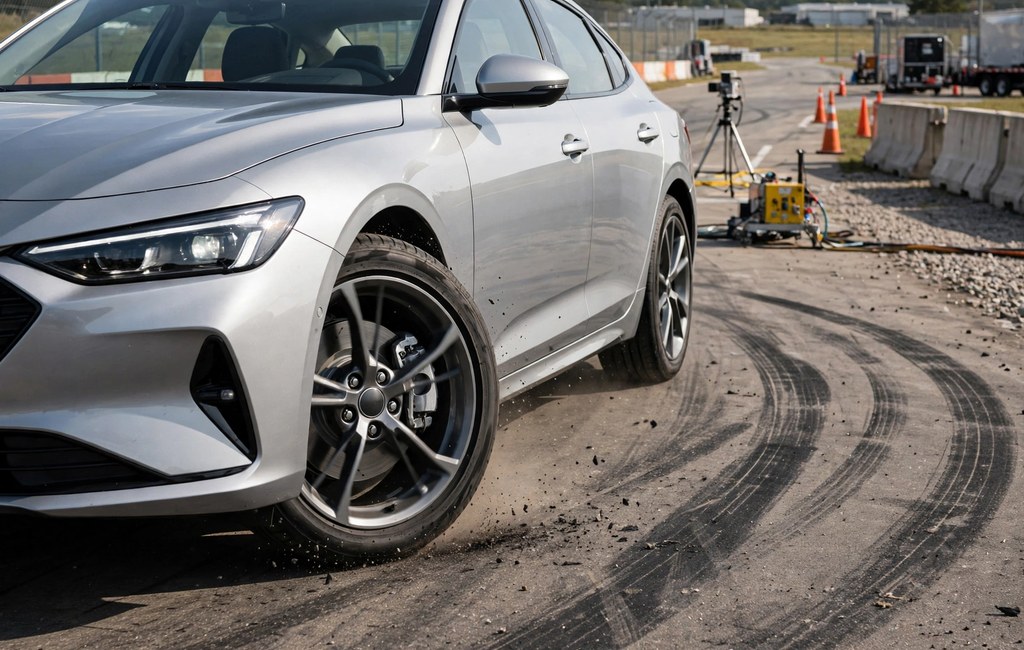
Uneven braking steals steering control exactly when drivers need it most. For example, the pull grows stronger during hard emergency stops. As a result, the car can cross lanes or leave the roadway. Also, shaking reduces tire contact and lengthens stopping distances unpredictably.
Meanwhile, drivers overcorrect steering and worsen the sideways movement further. In contrast, balanced brakes keep the car straight and predictable always. Therefore, drivers should treat any braking pull as urgent, not minor.
First, note whether the pull happens only during braking events. Next, note any burning smell, heat difference, or pedal change too. Finally, share those details and request a full axle inspection promptly.
Frequently Asked Questions
Why does my car pull to one side when braking?
However, one brake usually grips harder and steers the car sideways.
Can a sticking caliper make my car shake?
Yes, it drags one pad constantly and overheats that rotor unevenly.
Can uneven brake pads cause a pull when braking?
Yes, uneven pads grip differently and break left to right balance.
What does a collapsed brake hose do to braking?
It traps pressure at one caliper and keeps that brake applied.
Is it safe to drive with a braking pull?
No, hard stops can worsen the pull and compromise control quickly.
Conclusion
Balanced braking depends on equal force, free movement, and steady geometry. Therefore, technicians must find the single fault that broke the balance. Also, prompt repair restores straight stops and confident steering control again.
Do not ignore shaking or pulling during your next stop today. Instead, book a brake inspection now and restore balanced stopping safely. Finally, a matched repair protects you, your passengers, and other drivers.