How to Master Car Battery Maintenance for Long-Term Performance
Your car battery is one of the hardest-working parts of your vehicle. It starts the engine, powers the electronics, and keeps everything running smoothly. However, most drivers ignore it completely until it fails. That is a costly mistake.
The good news is that proper car battery maintenance is simple. With a few easy habits, you can extend the life of your battery by years. Additionally, you can avoid the frustration of a dead battery at the worst possible moment. This guide covers everything you need to know to keep your battery in top condition for the long term.
Understanding How a Car Battery Works
Before you can maintain a car battery well, it helps to understand what it does. A car battery is a lead-acid battery. It stores chemical energy and converts it into electrical energy on demand. When you turn your key or press the start button, the battery sends a powerful burst of electricity to the starter motor.
After the engine starts, the alternator takes over. It charges the battery while the engine runs. Therefore, short trips that do not give the alternator enough time to recharge the battery can drain it over time. This is one of the most common reasons batteries fail earlier than expected.
Most standard car batteries last between three and five years. However, with proper care, some batteries last up to seven years. Understanding the basics helps you make smarter decisions about maintenance and replacement timing.
Signs Your Car Battery Needs Attention
Catching battery problems early can save you time and money. There are several warning signs that tell you the battery is struggling. Knowing these signs means you can act before the battery dies completely.
- The engine cranks slowly when you start the car, as if it is struggling to turn over
- The battery warning light appears on your dashboard
- Your headlights are dimmer than usual, especially at idle
- Electrical components like windows or the radio behave erratically
- You notice a swollen or bloated battery case when you inspect under the hood
- There is a rotten egg smell near the battery, which signals a leak or overcharge
If you notice any of these signs, do not ignore them. Additionally, keep in mind that some batteries fail suddenly without obvious warning. Therefore, routine checks are just as important as watching for symptoms.
How to Inspect Your Car Battery at Home
You do not need a mechanic to do a basic battery inspection. A simple visual check every few months can catch problems before they become serious. The process is quick and requires no special tools.
Check for Corrosion on the Terminals
The battery terminals are the metal posts where the cables connect. Corrosion appears as a white, blue, or greenish powder around these posts. It looks harmless, but it actually blocks the flow of electricity. Even a small amount of corrosion can reduce battery performance and cause starting problems.
To clean corrosion safely, disconnect the negative cable first, then the positive. Mix one tablespoon of baking soda with one cup of water. Apply the solution to the terminals using an old toothbrush. Scrub gently until the corrosion lifts away. Rinse with a little clean water, dry thoroughly, and reconnect the cables in reverse order.
Inspect the Battery Case
Look at the physical condition of the battery. The case should be smooth and rectangular. A bulging or swollen case means the battery has been exposed to excessive heat or has been overcharged. This is a serious sign that the battery needs immediate replacement. Additionally, check for any cracks or leaking fluid, which are also signs of a failed battery.
Check the Cable Connections
Loose cables are a common and easily overlooked problem. Give each cable a gentle wiggle. It should feel firm and secure. A loose connection can mimic the symptoms of a dead battery, causing slow starts and electrical issues. Therefore, tightening loose cables is often the simplest fix before assuming the battery has failed.
Testing Your Car Battery Voltage the Right Way
A visual inspection tells you a lot, but testing the voltage gives you a precise picture of battery health. You can do this with a simple tool called a multimeter. These are inexpensive and widely available at auto parts stores.
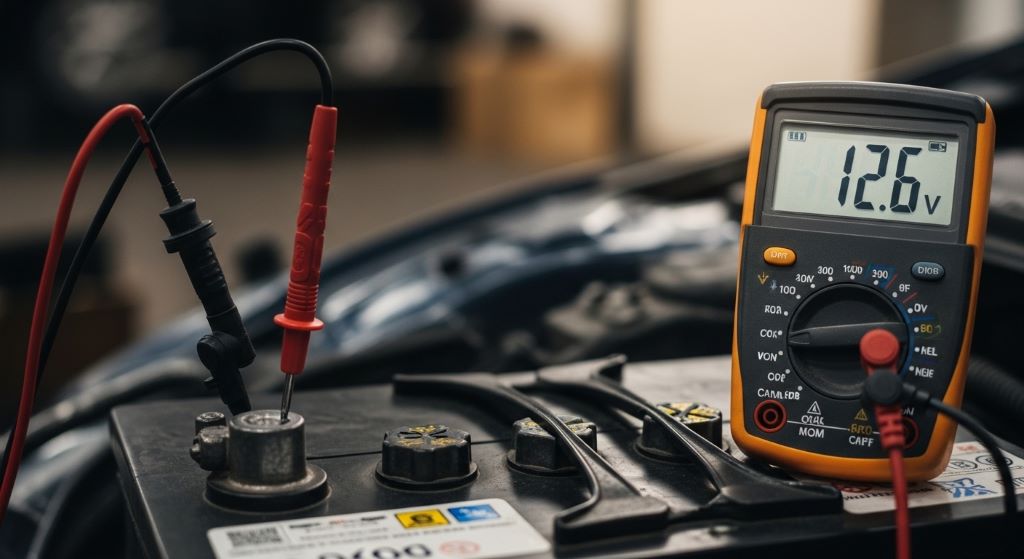
Set the multimeter to DC voltage and connect the red probe to the positive terminal and the black probe to the negative terminal. A fully charged, healthy battery should read between 12.6 and 12.8 volts. A reading between 12.4 and 12.6 volts indicates a partially discharged battery. However, anything below 12.0 volts means the battery is seriously depleted and may need charging or replacement.
For a more accurate test, check the voltage while the engine is running. At this point, the alternator is active. The reading should be between 13.7 and 14.7 volts. If it falls outside this range, the issue may be with the alternator rather than the battery itself. Therefore, testing under both conditions gives you a complete picture.
Top Car Battery Maintenance Tips for Long-Term Performance
Good maintenance habits make a significant difference in how long your battery lasts. These tips are easy to follow and cost very little. However, the savings in replacement costs and inconvenience are substantial.
Drive Your Car Regularly and Long Enough
Every time you drive, the alternator recharges the battery. Short trips of just five or ten minutes are not enough for a full recharge. If you mostly take short trips, try to take a longer drive of at least 30 minutes once a week. This gives the alternator enough time to fully restore the battery’s charge.
Turn Off All Accessories Before Switching Off the Engine
Leaving lights, the radio, or the air conditioning running after you turn off the engine drains the battery. Even interior lights left on overnight can completely discharge a battery by morning. Additionally, many modern cars have electronics that draw small amounts of power even when parked. This is called parasitic drain. Turning off all accessories before shutting down helps reduce this drain.
Use a Battery Maintainer for Long Storage Periods
If you park your car for weeks or months at a time, consider using a battery maintainer, also called a trickle charger. This device connects to the battery and keeps it at an optimal charge level without overcharging it. It is especially useful for seasonal vehicles like convertibles or classic cars. Therefore, investing in a quality maintainer can dramatically extend battery life.
Keep the Battery Secure and Vibration-Free
Vibration is the enemy of battery longevity. A battery that rattles around in its tray breaks down internally much faster. Make sure the battery hold-down bracket is tight and secure. Check this as part of your regular inspection. A battery that sits firmly in place will outlast one that moves around during driving.
Protect the Battery from Extreme Temperatures
Heat is actually the biggest enemy of car batteries, more so than cold. High temperatures speed up the chemical reactions inside the battery and cause it to lose water. This shortens its life significantly. Park in the shade or in a garage whenever possible. In very cold climates, a battery insulation wrap can help maintain optimal operating temperature.
How to Safely Jump-Start a Dead Car Battery
Even with great maintenance habits, a dead battery can still happen. Knowing how to jump-start safely is an essential skill. Done correctly, it is straightforward and takes only a few minutes.
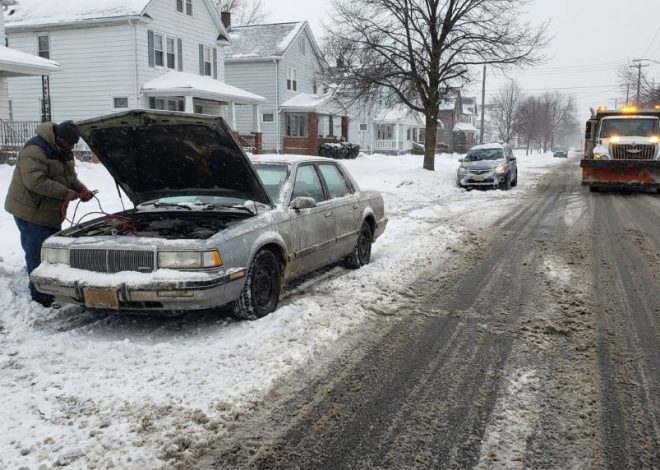
You will need a set of jumper cables and a second vehicle with a healthy battery. Park the working vehicle close to the dead one so the cables can reach both batteries. Turn off both vehicles before connecting anything.
Connect the red cable to the positive terminal of the dead battery first. Then connect the other red end to the positive terminal of the good battery. Next, connect the black cable to the negative terminal of the good battery. Finally, connect the last black end to an unpainted metal surface on the dead car, away from the battery. This grounding step prevents sparks near the battery.
Start the working vehicle and let it run for two to three minutes. Then try to start the dead car. If it starts, remove the cables in the reverse order you connected them. Drive the revived car for at least 30 minutes to allow the alternator to recharge the battery properly.
When to Replace Your Car Battery
No battery lasts forever. Knowing when to replace it saves you from unexpected breakdowns. Additionally, replacing a battery proactively is far less stressful than dealing with a dead battery in the middle of traffic or a parking lot.
As a general rule, consider replacing your battery every three to five years. However, if your battery is showing signs of weakness before that point, do not wait. A load test performed at any auto parts store can tell you precisely how much life your battery has left. Many stores offer this service for free.
When shopping for a replacement, match the battery to your vehicle’s specifications. Check the cold cranking amps rating and the group size. Using the wrong battery can cause performance issues and may even damage your vehicle’s electrical system. Therefore, always refer to your owner’s manual or consult a parts store professional before buying.
Seasonal Car Battery Maintenance Guide
Different seasons put different demands on your car battery. Understanding these seasonal challenges helps you prepare in advance.
Winter Care
Cold weather reduces a battery’s ability to deliver power. At the same time, the engine requires more power to start in cold conditions. This combination puts the battery under enormous stress. Before winter arrives, have your battery tested. If it is more than three years old, consider replacing it proactively. Additionally, keeping the battery fully charged during winter is especially important.
Summer Care
Summer heat accelerates battery fluid evaporation and speeds up internal corrosion. Park in shaded or covered areas whenever possible. Check the battery terminals more frequently during hot months since heat encourages faster corrosion buildup. If your battery has removable caps, check the fluid level and top it up with distilled water if needed. However, most modern batteries are sealed and maintenance-free.
Conclusion
Mastering car battery maintenance does not require advanced mechanical skills. It simply requires awareness and a few consistent habits. By understanding how your battery works, inspecting it regularly, and following smart maintenance practices, you can extend its life significantly.
Remember to clean corrosion from the terminals, test the voltage periodically, and protect the battery from extreme temperatures. Additionally, drive your car regularly, turn off accessories when parked, and use a battery maintainer for long storage periods. These simple steps add up to major long-term savings.
Therefore, do not wait for your battery to fail before giving it attention. Start incorporating these maintenance habits today. A well-cared-for battery means a more reliable car, fewer unexpected repair bills, and greater peace of mind every time you turn the key.
Frequently Asked Questions
1. How often should I check my car battery?
You should visually inspect your car battery at least once every three months. Additionally, have it professionally tested once a year, especially if it is more than two years old. Regular checks help you catch problems like corrosion, loose connections, and low voltage before they cause a breakdown.
2. Can I clean car battery corrosion myself?
Yes, cleaning battery corrosion is a simple DIY task. Mix baking soda with water to create a cleaning solution. Apply it to the corroded terminals with an old toothbrush, scrub gently, rinse with clean water, and dry thoroughly. Always disconnect the negative cable first for safety. This process takes less than ten minutes and can noticeably improve battery performance.
3. Does extreme cold kill car batteries?
Cold weather does not directly kill a healthy battery, but it significantly reduces its ability to deliver power. A battery that is already weak will often fail completely when temperatures drop. Therefore, testing your battery before winter and replacing it if necessary is one of the smartest preventive steps a car owner can take.
4. Why does my car battery keep dying even after I replace it?
If a new battery keeps dying, the problem is likely not the battery itself. Common causes include a failing alternator that does not recharge the battery properly, parasitic drain from an electrical component staying on, or taking too many short trips. Have your charging system tested by a mechanic to identify the root cause before purchasing another new battery.
5. How do I know what size battery my car needs?
Your car’s owner’s manual lists the correct battery group size and minimum cold cranking amps required. You can also find this information on a sticker inside the engine bay or on the battery itself. Additionally, any auto parts store can look up the correct battery for your specific make, model, and year in just seconds using their inventory system.
Related Topics:
The Semi-Truck’s Fuel Efficiency Unleashed: Driver’s Guide to Maximizing Range
Auto Wrecker San Diego: A Thriving Hub of Automotive Treasure