Car Shakes After New Brakes Are Installed
It was fine before the brake job. Now the car shakes after new brakes went on, and the steering wheel shudders at every stop. However, new parts rarely explain that sudden change alone. Also, that frustration makes complete sense after paying for repairs.
Therefore, treat the shake as an installation clue first. For example, a dirty hub or uneven lug tightening creates rotor runout immediately. Then, uneven pad contact turns that small wobble into clear pedal pulsation. In addition, a careful recheck usually finds the cause quickly.
First, work through the fitting mistakes in recheck order. Next, you will see exactly which checks matter most.
Why a Car Shakes After New Brakes
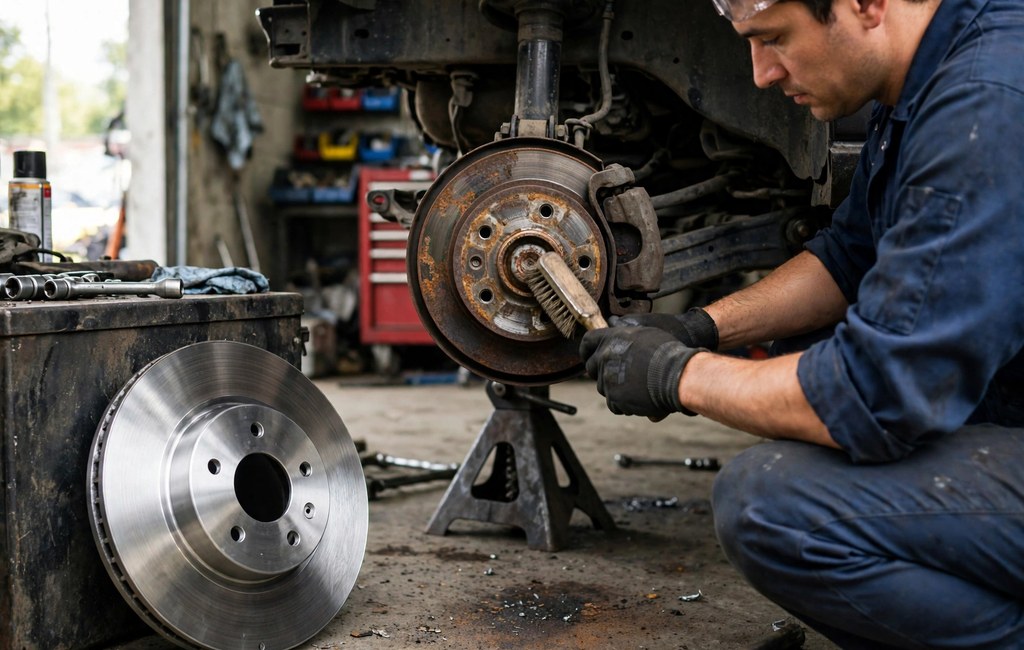
First, understand that car shakes when braking right after service usually signals uneven rotor contact. For example, runout makes the rotor wobble sideways during rotation. Then, the pads grab high spots and release low spots repeatedly.
However, drivers often blame a warped new rotor too quickly. Similarly, tiny thickness differences create strong pedal and steering vibration. As a result, mechanics measure runout and thickness before replacing parts again.
In addition, front rotor problems usually shake the steering wheel. Meanwhile, rear rotor problems often shake the seat and body. Therefore, symptom location helps mechanics choose the first inspection point. In most cases, the car shakes after new brakes because runout survived installation.
Incorrect Installation Behind Shakes After New Brakes
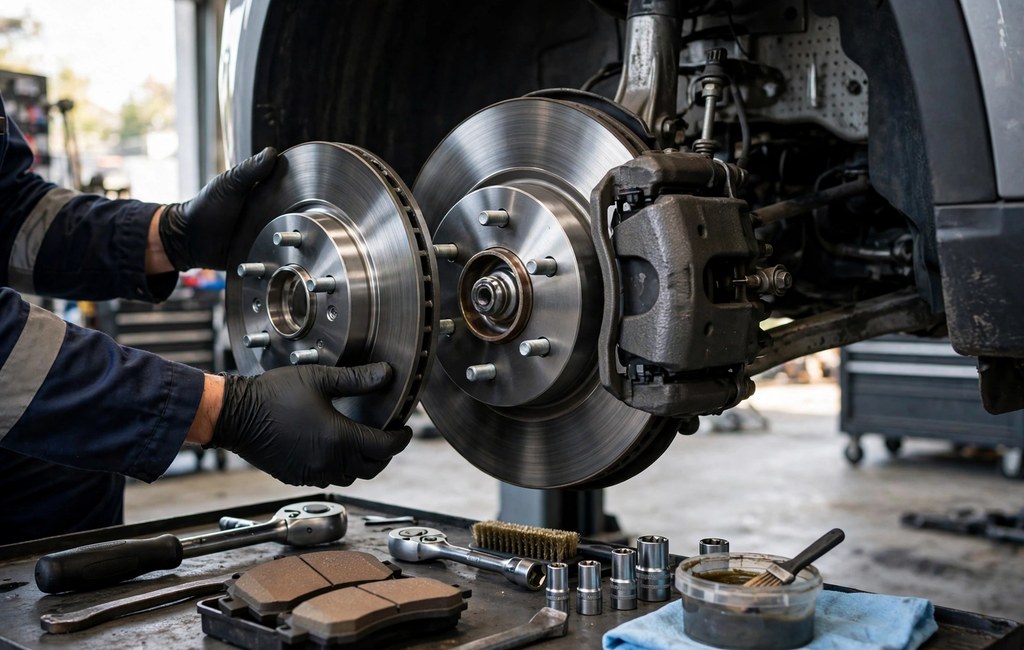
First, a mechanic checks whether the rotor sits flat. However, a cocked rotor wobbles even though the rotor itself measures true. Therefore, the pads meet one section more firmly each rotation.
In addition, loose rotor retaining screws can shift initial rotor alignment. Also, installers must clean protective oil from new rotor surfaces. Otherwise, oil and machining debris contaminate pads and disturb friction contact.
Also, rushed installers sometimes skip cleaning new rotors before fitting. Similarly, trapped dirt behind a rotor hat mimics hub damage. As a result, careful refitting often reveals the simple cause. That is why it shakes after new brakes until the hub seats flat.
Dirty Hubs Behind Shakes After New Brakes
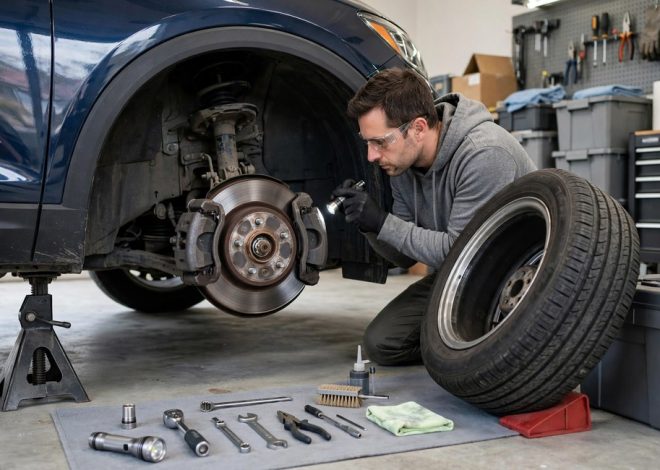
Next, the recheck moves to the hub mounting surface. For example, rust flakes trap space between rotor and hub. As a result, even small debris tilts the rotor noticeably.
Also, a bent or damaged hub face creates runout independently. Therefore, mechanics clean the hub and measure hub runout separately. Then, they compare hub and assembled rotor readings carefully. Often, the car shakes after new brakes only during gentle stops.
- Rust buildup: Mechanics scrape and brush corrosion from the hub face.
- Embedded grit: Also, a single hard particle prevents flat rotor seating.
- Uneven corrosion: Similarly, patchy rust creates high spots across the mounting surface.
Uneven Lug Torque and Shakes After New Brakes
Then, mechanics check lug nut tightening sequence and evenness. For example, tightening one side fully first distorts rotor clamping. However, even clamping holds the rotor flat against the hub.
First, installers tighten every lug nut gradually in a star pattern. Next, they finish tightening to the manufacturer specification with a torque wrench. In addition, they never rely on impact tool tightness alone.
As a result, the wheel and rotor share even clamping force. Similarly, drivers should request a torque recheck after wheel refitting. Simply put, it shakes after new brakes whenever seating stays uneven.
Improper Bedding and Shakes After New Brakes
Next, the recheck considers how someone bedded the new pads. Proper bedding spreads a thin, even pad material layer. However, skipped bedding leaves patchy deposits across the rotor face.
For example, one hard stop on hot brakes imprints pad material. Then, that thick spot grabs the pad during every rotation. As a result, the pedal pulses and the wheel shakes.
Also, gentle early driving protects the fresh transfer layer. Therefore, drivers should follow the pad manufacturer bedding instructions exactly.
Brake Component Compatibility Problems
Meanwhile, mismatched parts can create vibration despite correct fitting work. For example, a pad compound can conflict with existing rotor deposits. Also, a rotor with incorrect dimensions can disturb pad contact alignment.
Similarly, mixing new pads with worn rotors invites uneven contact. In contrast, matching pads and rotors support smooth, consistent friction. Therefore, mechanics verify part numbers, sizes, and friction specifications carefully.
- Wrong rotor size: The pads ride partly outside the intended friction ring.
- Mixed pad compounds: Also, different axle compounds create uneven grip between sides.
- Sticking caliper parts: Meanwhile, dirty slides prevent pads from releasing and applying evenly.
What to Check After Brake Replacement
Finally, use this checklist in the same order mechanics use. First, note the speed and pedal feel during each stop. Then, return the car promptly if vibration started immediately.
- Hub surface: Mechanics clean rust and debris, then measure assembled runout.
- Rotor seating: Next, they confirm the rotor sits flat without any tilt.
- Lug tightening: Then, they retighten lugs gradually in star pattern to specification.
- Pad bedding: Also, they repeat correct bedding only after correcting mechanical faults.
- Parts match: Finally, they verify rotor size, pad shape, and compound compatibility.
- Caliper movement: In addition, they inspect slides and pistons for sticking or drag.
However, do not keep driving while the shake grows worse. Also, describe exactly when the vibration appears during braking. As a result, the shop can reproduce and isolate the fault.
Frequently Asked Questions
Why do my brakes vibrate after a brake job?
Therefore, runout or uneven pad deposits usually cause this vibration.
Can new brake rotors cause vibration right away?
Also, a new rotor can vibrate when installers mount it unevenly.
Should I drive while new brakes shake?
However, you should return the car promptly for inspection.
Can improper bedding cause brake vibration?
Yes, skipped bedding also creates patchy deposits that pulse during braking.
Will re-bedding fix vibration after new brakes?
First, mechanics must correct runout before re-bedding helps safely.
Conclusion
Therefore, new brake vibration usually traces to fitting details. However, clean hubs, flat seating, and even torque prevent most cases. Also, correct bedding and matching parts protect the repair.
Finally, book a prompt recheck with the installing shop today. Then, describe the shake clearly and request the checklist above. As a result, you protect stopping performance and your safety.