Car Shakes When Braking at Low Speeds
Braking at low speeds usually exposes uneven pad contact, dragging calipers, or rear brake faults. In contrast, highway shaking often comes from rotor variation that pulses at higher wheel speeds. However, slow stops expose final-rotation judder that faster braking can mask.
Also, worn hardware and poor installation can tilt pads and create uneven contact. Then a light pedal near a stop turns small flaws into clear vibration. Therefore, careful inspection separates pad, rotor, caliper, and rear brake causes.
Also, drivers often feel this shake through the seat, floor, or pedal. However, the exact feeling changes with speed, pedal pressure, and brake position. Finally, early diagnosis protects rotors and pads from further uneven wear.
Why Vehicles Shake While Braking at Low Speeds
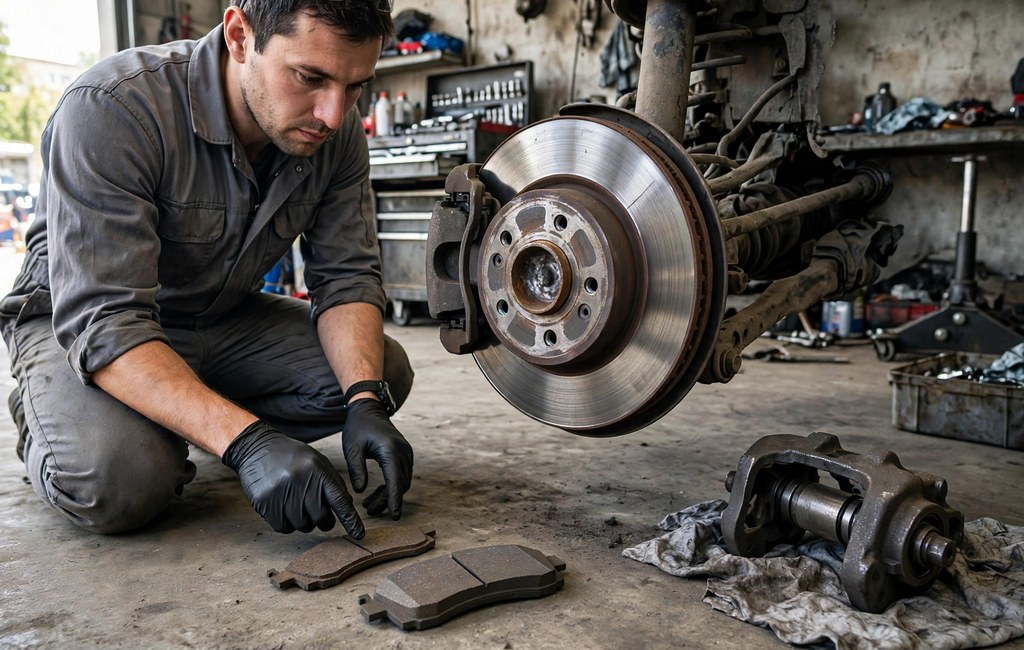
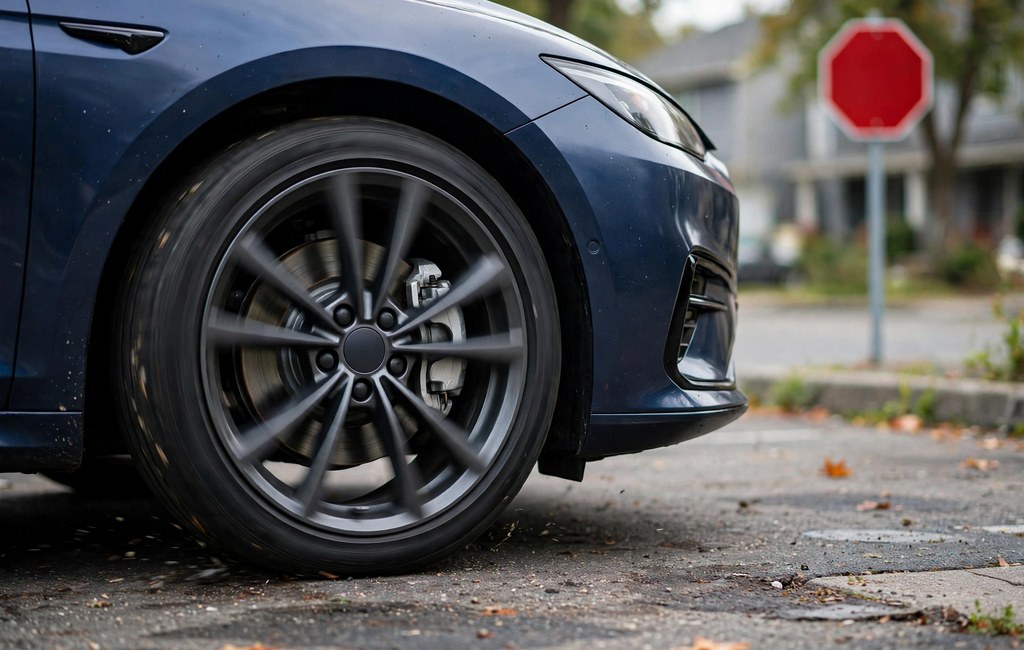
Also, drivers who notice car shakes when braking at crawl speeds face uneven friction. Then the pedal stays light, so small thickness changes create noticeable pulses. In contrast, firm highway braking can smooth over the same flaws briefly. However, creeping toward a stop sign exposes every uneven rotor section repeatedly.
First, slow wheel rotation lets each high spot linger against the pads. Next, that lingering contact lifts and drops friction many times per stop. As a result, the car may buck, shudder, or pulse during final yards. Also, drivers often feel the judder grow stronger as speed drops further. In most cases, braking at low speeds repeats each high spot slowly.
Uneven Pad Contact During Braking at Low Speeds
Worn pads lose flat contact and grip rotors in uneven patches. However, pad deposits also create sticky patches that grab harder than surrounding metal. Then each sticky patch tugs the car as the rotor turns slowly. For example, tapered pads press one edge first and release the rotor unevenly.
- Uneven wear: Inspectors compare pad thickness across both pads on each wheel.
- Glazed surfaces: Heat and light braking polish pads and reduce consistent friction grip.
- Loose deposits: Drivers and technicians find patchy material transfer during careful rotor inspection.
In addition, new pads on damaged rotors repeat the same uneven contact pattern. Therefore, technicians inspect pad wear patterns before they blame rotors alone. Also, they check both sides because one uneven pad can skew diagnosis. That is why braking at low speeds feels like a gentle rocking surge.
Rear Brakes and Braking at Low Speeds
Rear brakes handle less force, so drivers often overlook their vibration clues. However, warped rear rotors also pulse the pedal during gentle slow stops. Similarly, out-of-round drums grab and release shoes during each slow revolution. Then the whole car rocks slightly because rear judder travels through the body.
For example, a driver may feel shaking through the seat, not steering. In contrast, front brake faults usually shake the steering wheel more strongly. Also, parking brake drums inside rear rotors can develop rust and high spots. Finally, rust ridges catch shoes or pads and create repeated low-speed pulses. Over time, braking at low speeds worsens as pads wear unevenly further.
Sticky Brake Calipers at Low Speeds
A sticky caliper keeps one pad pressed against the rotor after braking. However, that constant drag overheats one rotor section and warps friction contact. Then the driver feels a pull, a shake, or both near stops. Also, a dragging wheel often feels hotter than the opposite wheel afterward.
First, seized slide pins stop the caliper from centering over the rotor. Next, uneven pin movement tilts the pads and concentrates wear on one edge. As a result, one pad wears thin while its mate stays thick. Therefore, technicians free the pins and inspect boots, pistons, and hoses carefully. Simply put, braking at low speeds reveals faults that highway stops hide.
Hardware Faults Behind Braking at Low Speeds
Small hardware faults change pad alignment and create vibration during gentle braking. For example, weak clips let pads shift and tap rotors during slow stops. Also, missing shims let pads move instead of holding steady square contact. However, dirt behind a rotor creates runout and uneven pad contact immediately.
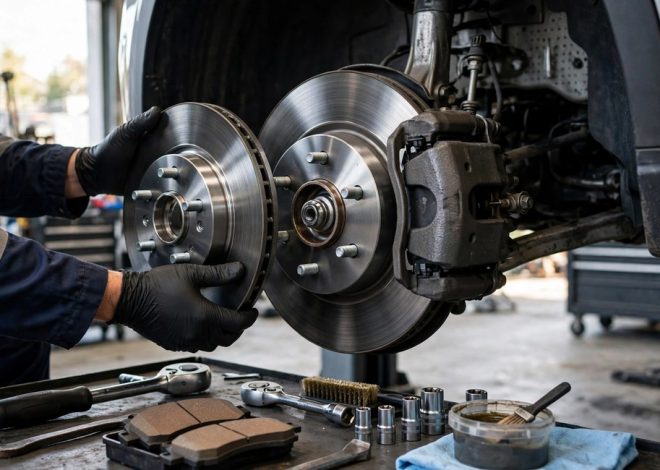
First, technicians clean hub faces before they mount rotors during any service. Next, they tighten lug nuts evenly in a star pattern to specification. Then uneven tightening distorts the rotor hat and mimics a warped rotor. Finally, careful installers bed new pads and rotors following maker instructions.
How to Identify Low-Speed Brake Vibration
Drivers can narrow the cause by noting exactly when shaking appears. For example, pedal pulses point toward rotor variation or rear drum faults. Also, seat shaking points rearward, while steering shaking points toward front brakes. In contrast, shaking without braking points away from a brake-only diagnosis.
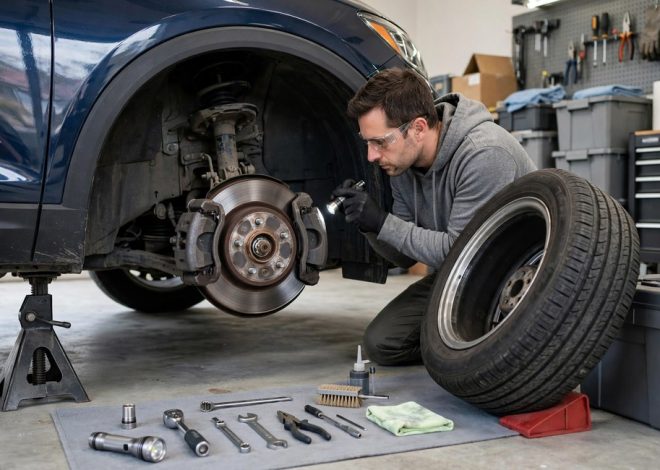
First, test braking gently on a safe, empty, level road surface. Next, note whether the shake fades, grows, or changes below walking speed. Then inspect pads, rotors, calipers, and rear brakes for uneven wear. Finally, stop driving if shaking pairs with grinding, pulling, or weak stopping.
However, home checks never replace a full brake inspection by professionals. Therefore, drivers should schedule service before vibration damages more brake parts.
Frequently Asked Questions
Why does my car shake only when I brake slowly?
Therefore, slow turns expose uneven friction and let drivers feel rotor irregularities.
Can rear brakes cause shaking at low speeds?
Yes, warped rear rotors and out-of-round drums also pulse through the seat.
Can a sticky caliper cause low-speed shaking?
A dragging caliper also overheats one rotor area and creates uneven contact.
Why does my car shake right before it stops completely?
Then final slow rotations repeat each high spot until the car stops rolling.
Should I keep driving if my brakes shake at low speeds?
No, drivers should arrange inspection promptly because shaking signals uneven or dragging brakes.
Conclusion
Low-speed shaking narrows the search to pads, calipers, hardware, and rear brakes. However, each cause leaves distinct clues in pedal, seat, and steering feel. Therefore, careful diagnosis prevents repeat judder and protects healthy brake parts.
Book a brake inspection today and describe exactly when the shaking starts. Then ask the technician to check pads, calipers, hardware, and rear brakes. Finally, fix the root cause before slow-stop judder damages rotors further.