Top Coleman Minibikes: Every Model Ranked, Reviewed, and Compared
If you grew up in the 70s or 80s, there’s a good chance you remember seeing a mini bike parked in someone’s garage a beat-up, noisy little thing that looked like it could barely hold a kid, but was an absolute blast to ride. That feeling never really went away. It just got dormant for a while.
Coleman Powersports brought it back.
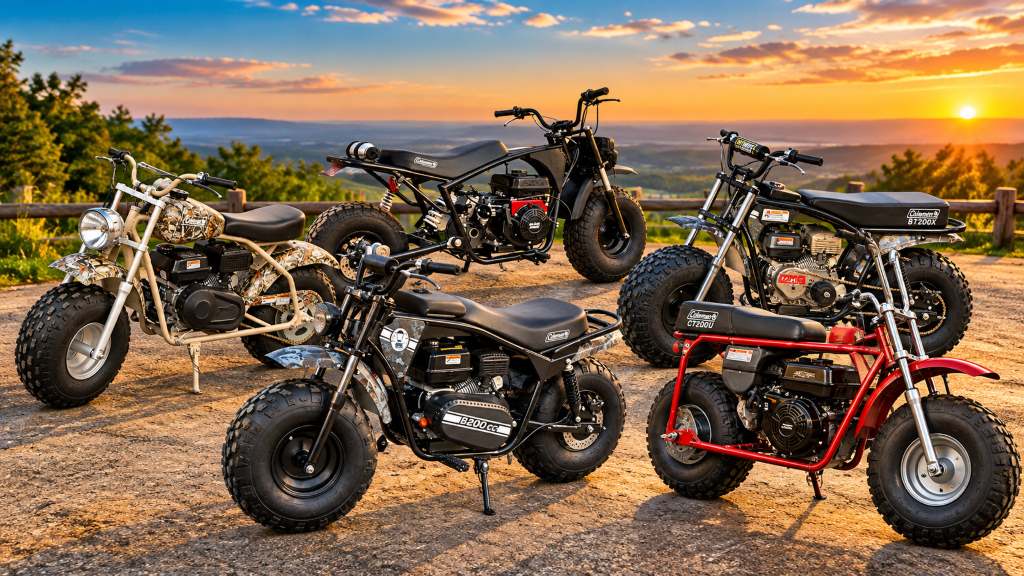
Since entering the powersports market in 2014, Coleman has built a lineup of mini bikes that punch well above their price range. They’re not trying to compete with full-sized dirt bikes or ATVs. What they are doing is offering a solid, affordable, and fun-as-hell mini bike experience for backyard trail rides, camping trips, property cruising, or just messing around with friends on a Saturday afternoon.
The thing is, Coleman has quite a few models now, and they all look similar at first glance. Pick the wrong one, and you’ll either overpay for features you don’t need, or underspec yourself and wish you had spent a bit more.
This guide breaks down every major Coleman mini bike, what each one is actually like to ride, who it’s built for, and which one is worth your money.
Quick Comparison: Coleman Minibike Models at a Glance
Before we get into the full breakdown, here’s a fast reference table. We’ll go deep on each model below.
| Model | Engine | Suspension | Top Speed (Stock) | Best For | Price Range |
| CT200U | 196cc / 6.5HP | None (big tires) | ~24 mph | Beginners, casual trail riding | ~$500–$600 |
| CT200U (Camo) | 196cc / 6.5HP | None (big tires) | ~24 mph | Everything the CT200U does, with style | ~$530–$600 |
| CT200U-EX | 196cc / 6.5HP | Front forks | ~24–26 mph | Trail riding with more comfort | ~$550–$650 |
| BT200X | 196cc / 6.5HP | Full front forks | ~25–28 mph | Riders wanting more stability + features | ~$720–$800 |
| RB200 / B200R | 196cc / 6.5HP | Varies by variant | ~20–25 mph | Budget buyers, first-time mini bikers | ~$400–$550 |
| B200 / B200RSV | 196cc / 6.5HP | Front + Rear | ~30–33 mph | Adults, aggressive trail riders | ~$900–$1,000+ |
A Bit About Coleman Powersports
Most people know Coleman as a camping brand: lanterns, coolers, sleeping bags. But their powersports division, based in Tempe, Arizona, is a different animal altogether. They design their bikes in the US, manufacture them overseas, and sell them through retailers like Walmart, Tractor Supply, Bass Pro Shops, and their own website.
Their mini bikes are built on a simple philosophy: make them tough, keep them simple, and make them affordable enough that regular people can actually buy one. They’re not trying to build a racing machine. They’re building something you can ride on a trail, throw in the back of your truck, and not stress out about it if it takes a few hard bumps.
The brand has been quietly growing its community, and if you’ve spent any time on YouTube searching mini bike content, you’ve seen plenty of Coleman owners modding, upgrading, and generally having a great time with these things. The upgrade culture around Coleman bikes is one of the best things about them; the parts ecosystem is solid, and most popular performance modifications are well-documented.
Now let’s get into the bikes themselves.
1. Coleman CT200U: The One That Started It All
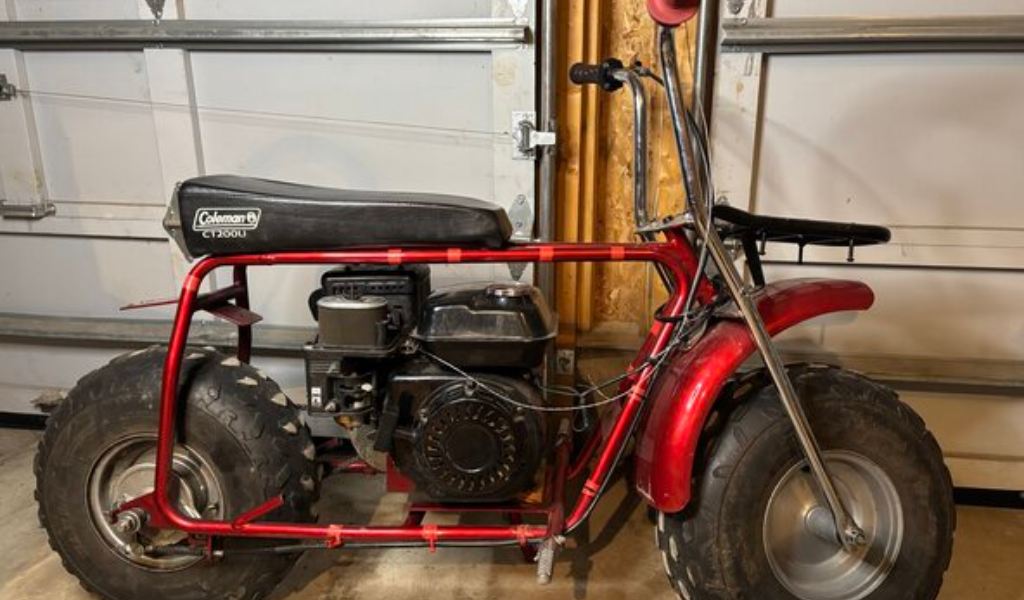
If there’s a single bike that made Coleman Powersports what it is today, it’s the CT200U. This is their flagship model, the one that got the mini bike revival going. And after all these years, it’s still one of the most popular mini bikes you can buy at any price.
What You’re Getting
The CT200U runs a 196cc, 6.5 horsepower, four-stroke air-cooled engine built by Hisun. It’s not a Honda GX clone, which tends to throw people off at first, but in practice the Hisun motor is reliable, easy to maintain, and has a huge aftermarket parts community built around it.
The frame is a tubular steel duplex cradle classic mini bike design, and genuinely sturdy. There’s no manual transmission to worry about. The centrifugal clutch handles everything automatically. You twist the throttle, and it goes. Simple.
The suspension story on the CT200U base model is: there isn’t any. At least, not in the traditional sense. Instead of shocks, Coleman gave it large, low-pressure tires that absorb a surprising amount of trail roughness. For flat to mildly bumpy terrain, it works just fine. On really rough stuff, you’ll feel it. Enjoy the upcoming Los Angeles Auto Show //vehicletradeus.com/vehicle-reviews/los-angeles-auto-show-2026/ in the USA.
The bike has a single rear drum brake (later replaced with a disc on newer variants), front and rear cargo racks for carrying gear, a long flat seat that lets you shift your weight around on hills, and a pull start that doesn’t require much muscle to operate. Kids can usually manage it on their own after a few tries.
Specs at a glance:
- Engine: 196cc, 6.5HP, 4-stroke OHV, air-cooled
- Weight: ~134 lbs
- Fuel capacity: 0.95 gallons (1.1 gal on later models)
- Max rider weight: 200 lbs (220 lbs on later models)
- Age recommendation: 13+
- Dimensions: 57″ L x 38″ W x 26.5″ H
- Wheelbase: 42″
- Ground clearance: 6.5″
Who It’s For
The CT200U is the perfect first mini bike for someone who wants to get into it without overthinking the decision. It’s also great for families who want a shared backyard ride or something to take camping. Adults can ride it comfortably (up to 220 lbs on newer models), though taller riders will feel a bit cramped.
What it’s NOT is a high-performance machine or a serious off-road shredder. It’s a capable, fun, easy-riding trail bike that keeps things simple, which is exactly the point.
Pros
- Bulletproof, simple design, very easy to maintain
- Massive aftermarket parts and upgrade community
- Front and rear cargo racks are genuinely useful
- Available in red, black, and camo
- Easy assembly, found at most big box stores
Cons
- No suspension means rougher trails will beat you up
- Stock top speed is fairly modest
- Single drum brake can feel underwhelming on steep downhills
- Assembly quality control has been inconsistent across batches
Best for: Beginners, casual trail riders, families, campground use, anyone who wants a reliable no-fuss mini bike.
2. Coleman CT200U Camo: Same Great Bike, Way Better Looking
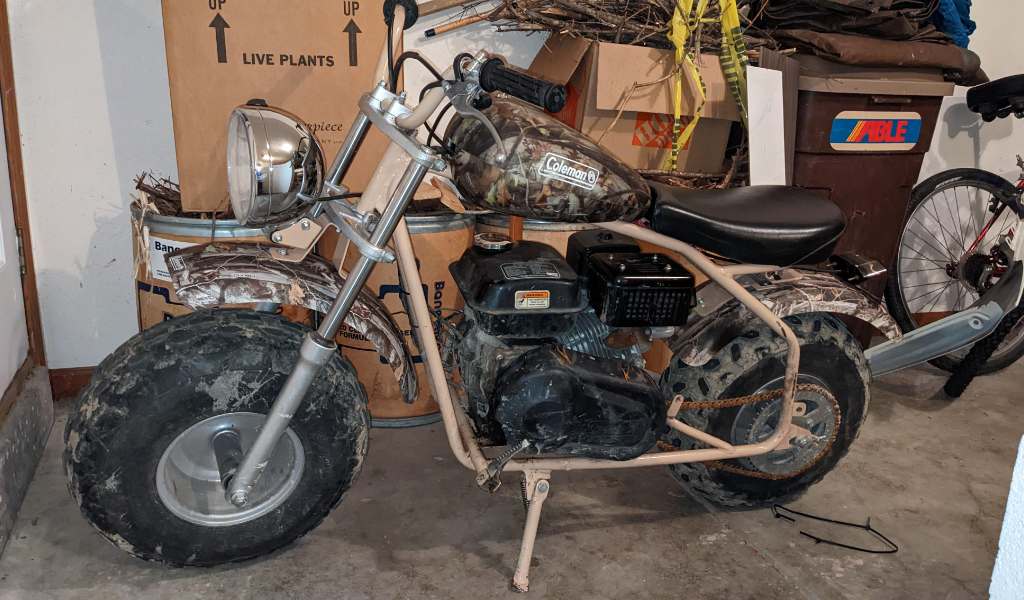
The CT200U Camo is mechanically identical to the standard CT200U. Everything under the body panels is the same: same 196cc Hisun engine, same frame, same pull start, same lack of suspension. But let’s be honest, the camo finish looks fantastic.
For hunters who want to ride their property, farmers who want something that blends into the landscape, or people who just like the military-style aesthetic, the camo variant has genuine appeal. It’s also become popular as a gift because it photographs well and stands out from the sea of red and black mini bikes.
Pricing is typically on par with the standard model, give or take $30 depending on the retailer. Availability can be inconsistent; it tends to sell out faster than the red version and isn’t always restocked as quickly.
If you want to know more about the camo model specifically what colors are actually used, whether the camo is painted or wrapped, and how it holds up over time we have a full deep-dive on the Coleman Camo Mini Bike.
Best for: The same riders as the standard CT200U, but with a preference for aesthetics. Also a very good gift bike.
3. Coleman CT200U-EX: The Smarter Upgrade
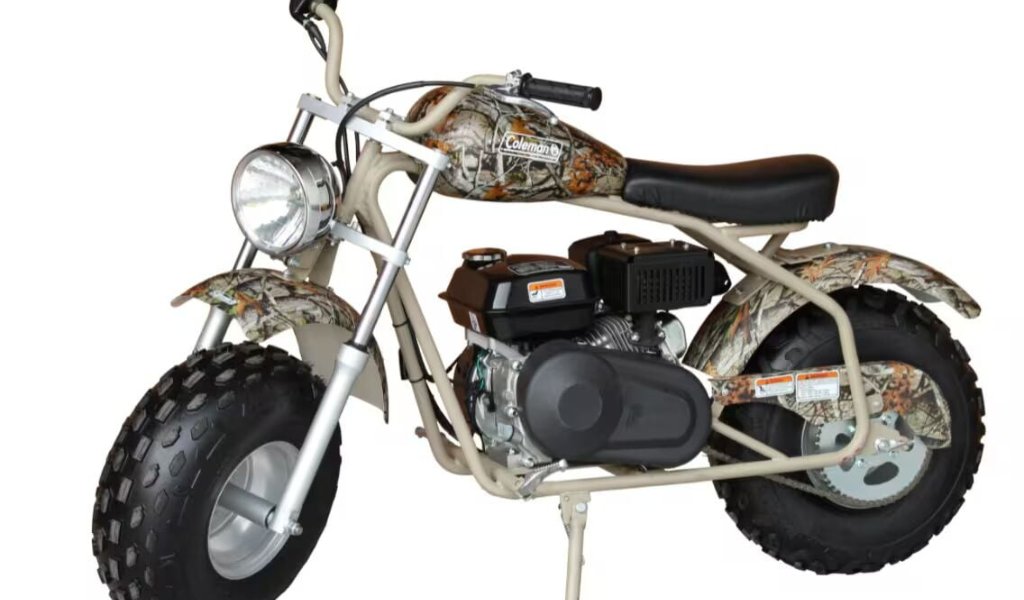
The CT200U-EX is where Coleman took everything people loved about the base model and fixed the two things people complained about most: no front suspension, and no headlight.
This version adds front fork shocks, which make a noticeable difference on rocky or rooted trails. It also comes with a headlight powered by the flywheel charging system, so you’re not squinting into the dark if your ride runs long.
The ground clearance dropped slightly compared to the base (from 6.5″ down to 5.5″), which is a minor trade-off for the added fork hardware. The carb was also updated to a KURUIDI unit instead of the HUAYI P19 found on the base model. The fuel tank got a modest bump to 1.1 gallons on later production runs.
Visually, the CT200U-EX looks more like the BT200X than the base CT200U; it has more of a “proper” mini bike look, with the headlight mounted up front instead of having cargo racks there.
What’s actually different from the CT200U:
- Front fork shocks (big deal for trail riding)
- Headlight included
- Updated carburetor
- Slightly lower ground clearance due to fork hardware
- Slightly heavier overall
The price premium over the base model is usually modest, often $50–$100 more depending on where you buy it. For most buyers, that’s worth it.
Pros
- Front suspension makes a real difference on rougher terrain
- Headlight is genuinely useful and adds a layer of safety
- Looks better than the base model
- All the upgrade potential of the CT200U applies here too
Cons
- Slightly lower ground clearance than base
- Still no rear suspension
- Availability can be spotty at retail
Best for: Riders who want the CT200U experience with a bit more refinement. If you’re going to be on anything more challenging than flat dirt paths, step up to this one.
4. Coleman BT200X: The Beefed-Up Mini Bike
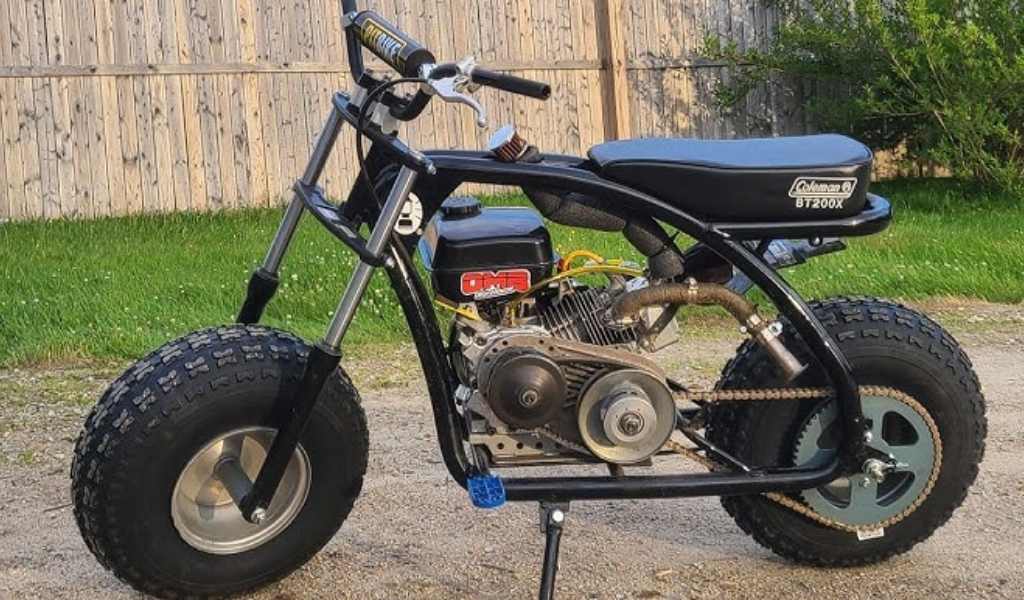
The BT200X is a different machine. Where the CT200U series is about simplicity and classic design, the BT200X is about stability, durability, and a more premium riding experience.
“BT” stands for Big Tube, and that’s not marketing language. The frame tubes are noticeably thicker than the CT200U’s, which adds some weight (the BT200X comes in at around 138 lbs dry) but also makes the whole thing feel more planted and solid under you.
It comes standard with front forks and proper suspension, a headlight, and a rugged clutch, jackshaft, and chain drive setup. The BT200X was clearly built for riders who want to take it off easy trails and into more technical terrain. It also has more of a scrambler/adventure bike aesthetic than the CT200U’s classic retro look.
One useful detail: the BT200X came in red, green, white, and camo colorways from the factory, and Coleman also sold replacement body panels so you could swap the look if you wanted to.
Specs at a glance:
- Engine: 196cc, 6.5HP, 4-stroke, air-cooled
- Weight: ~138 lbs dry
- Fuel capacity: 1 gallon
- Max rider weight: 220 lbs
- Age recommendation: 13+
- Ground clearance: 5.5″
- Suspension: Front forks only
Rider Experience
The BT200X feels more “grown up” than the CT200U. The wider tube frame gives you a more planted sensation while riding, and the front suspension eats up trail bumps better than the CT200U’s tire-only setup. The extra heft from the thicker frame tubes actually helps on technical terrain; you’re not getting tossed around as much.
It’s still a 196cc air-cooled single, so top speed is in the same general neighborhood as the other models. But the BT200X feels faster because it’s more stable, so you’re more comfortable opening the throttle.
Pros
- Big Tube frame design is noticeably more solid
- Front suspension standard
- Great off-road capability for the price
- Headlight included
- Strong mod community (same platform as CT200U in many ways)
Cons
- Heavier than the CT200U; harder to lift into a truck bed alone
- Higher price point
- No rear suspension
Best for: Riders who want the most capable stock Coleman without going to the premium B200 series. Great for adults who plan to actually push their bike on trails.
5. Coleman RB200 and B200R: The Budget Entry Points
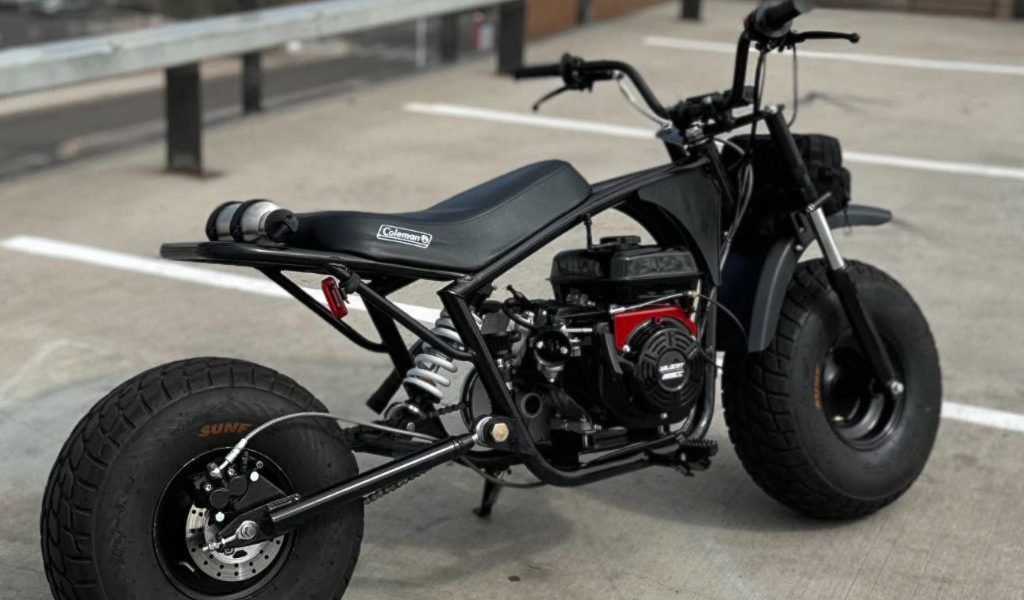
The RB200 and its variant, the B200R, represent Coleman’s more budget-accessible end of the lineup. You’ll find these at Tractor Supply and Walmart regularly, often at prices that undercut the CT200U.
The RB200 runs the same 196cc, 6.5HP Hisun engine as the rest of the lineup but uses a smaller 5/8″ crankshaft, which matters if you’re thinking about adding a torque converter later (you’ll need a specific kit and possibly some frame modification). The stock braking setup is rear hydraulic only, which gets the job done but isn’t the most inspiring setup.
On the upside, these are genuinely fun bikes for the money. If you’re buying a mini bike for a young teenager, a campsite beater, or something to just putter around on without a big investment, the RB200/B200R does that job well.
Important caveat: because Coleman builds these as budget-accessible options that ship partially assembled, the out-of-the-box quality can be inconsistent. More than a few buyers have reported loose bolts, carb issues, or minor fitment problems right out of the box. It’s worth doing a thorough mechanical once-over before the first ride.
Pros
- Lowest price entry point for a Coleman mini bike
- Available at mainstream retailers (Walmart, Tractor Supply)
- Same basic upgrade path as the CT200U, with some exceptions
- Perfectly fun for casual riding
Cons
- Smaller crankshaft limits some upgrade options
- More quality control variability than other models
- Rear hydraulic brake only on base spec
Best for: Budget-conscious buyers, younger riders, people who want a first mini bike before committing to a higher-spec model.
6. Coleman B200 and B200RSV: The Most Capable of the Bunch
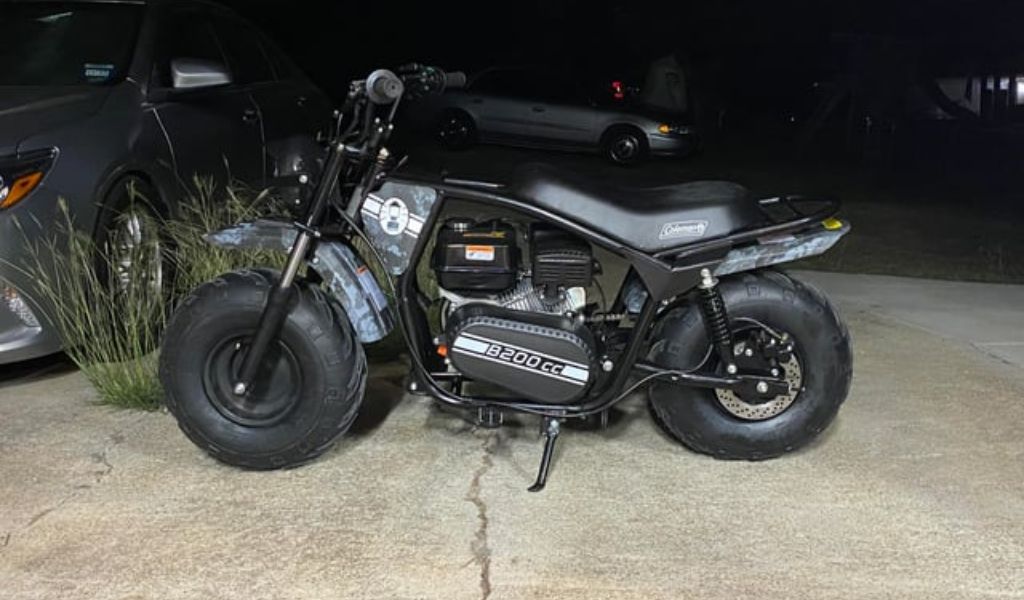
If the CT200U is the entry-level starter and the BT200X is the middle ground, the B200 series is where Coleman gets serious.
The B200 and B200RSV are larger, heavier, and more feature-packed than anything else in the Coleman lineup. Both come with:
- Front AND rear suspension (the RSV in particular is built around its rear suspension system)
- Front and rear disc brakes
- A headlight
- CVT (continuously variable transmission) instead of a simple centrifugal clutch
- A maximum rider height of 6’7″
- Weight capacity up to 250 lbs
The CVT alone changes the riding experience significantly. Instead of the abrupt clutch engagement you get on the base models, the power delivery on the B200 is smooth and progressive. It’s a much more comfortable ride for adults, and makes hill climbing notably more manageable.
Top speed on the B200 pushes into 33 mph territory in stock form,m and the B200RSV is rated up to 30 mph with its rear suspension-focused setup. These aren’t neck-snapping numbers, but for a mini bike they feel genuinely quick, especially once you’re in the saddle.
Specs at a glance (B200RSV):
- Engine: 196cc, 6.5HP, 4-stroke
- Transmission: CVT
- Suspension: Front + Rear
- Brakes: Front and rear disc
- Top speed: ~30 mph
- Max rider: 6’7″ / 250 lbs
- Price: ~$900–$1,000+
Pros
- Best performance in the Coleman lineup, out of the box
- Rear suspension makes a massive difference on rough terrain
- Disc brakes front and rear
- CVT is more comfortable and smooth than a centrifugal clutch
- Suits larger/taller adult riders properly
Cons
- Significantly more expensive than the rest of the lineup
- Heavier and harder to transport
- Some quality control issues reported (always do a pre-ride check)
- Less of a “classic mini bike” feel; more of a small trail bike
Best for: Adults who want real performance without jumping into full-sized dirt bikes. If you’re over 5’10”, heavier than 200 lbs, or just want the nicest Coleman they make, this is it.
How to Choose the Right Coleman Mini Bike
With all these models on the table, the decision comes down to four things:
1. Your Riding Terrain
Flat dirt paths and campground trails? The base CT200U handles this fine. Rocky, rooted, or hilly terrain? Step up to the CT200U-EX, BT200X, or B200 series for the suspension. The more technical your terrain, the more suspension matters.
2. Your Budget
You can get into a Coleman for as little as $400–$500 with the RB200, or spend up to $1,000+ on a B200RSV. The sweet spot for most buyers is the CT200U or CT200U-EX range ($500–$650). The BT200X is worth the extra money if you plan to ride hard.
3. Your Size
The base CT200U series has a max weight of 200–220 lbs. If you’re bigger or taller than average, the B200 series (which supports up to 250 lbs and 6’7″) is built with you in mind. Riding a bike that’s too small for your frame makes everything less fun.
4. Your Plans to Modify
All Coleman 200-series bikes share a huge upgrade ecosystem. Carburetors, exhausts, performance kits, torque converters the community has mapped it all out. If you’re planning to build a fast mini bike, start with the platform that fits your budget and go from there. The performance kit route on a CT200U is a popular and cost-effective path. We cover that in detail in our Coleman Mini Bike Performance Kit guide.
What Owners Actually Think
Reading through hundreds of Coleman owner reviews paints a pretty clear picture. The positive pattern is consistent: these bikes are fun, they start easily (often first pull), and they’re a blast for the money. The negative pattern is equally consistent: out-of-box assembly quality can be hit or miss, and you should always inspect the bike before the first ride: check all bolts, the chain tension, brake adjustment, and oil level.
The customers who have the best experiences are the ones who treat the initial assembly as a proper mechanical setup rather than just bolting parts together and riding off. A 30-minute pre-ride inspection has saved more than a few Coleman riders from avoidable headaches.
Upgrade Potential: Why Coleman Has Such a Loyal Community
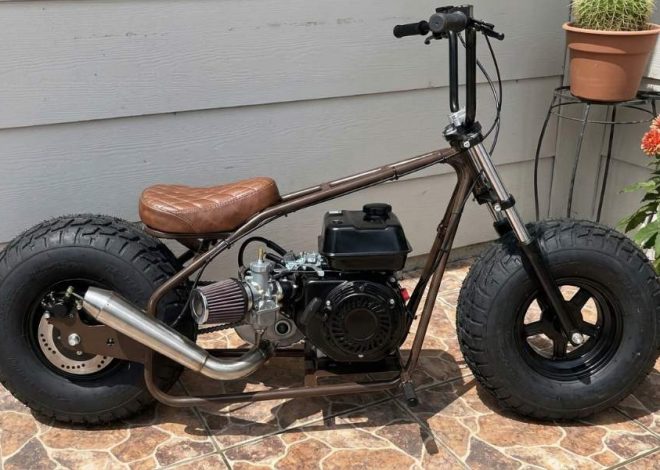
One of the biggest reasons Coleman mini bikes have developed such a dedicated following is how modifiable they are. The 196cc platform shares DNA (and many components) with other popular mini bikes in the Baja, Massimo, and TrailMaster family. That means a massive third-party parts and upgrade market.
Here’s what most Coleman riders end up doing first:
Governor removal: The governor limits top speed from the factory. Removing it (or adjusting it) is one of the first things most owners do, and it’s free. It does remove a safety limiter, so it’s a rider judgment call.
Carburetor upgrade: Swapping the stock carb for an aftermarket unit like a Nibbi carb is one of the most popular mods and makes a noticeable difference in throttle response and power delivery. Several owners have mentioned this specifically in reviews.
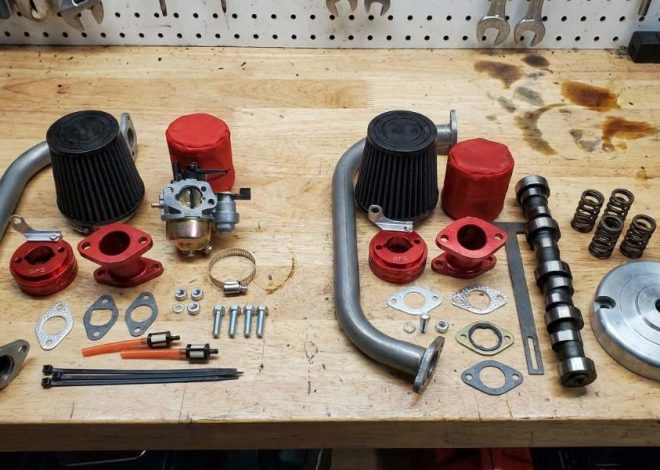
Performance kit: Coleman and third-party companies both offer stage 1 and stage 2 performance kits combining a better carb, upgraded exhaust, and air filter. The Coleman Performance Kit is compatible with all 200-series models (CT200U, CT200U-EX, BT200). More on that in our Coleman Mini Bike Performance Kit guide.
Torque converter: Replacing the centrifugal clutch with a torque converter dramatically improves low-end pull and hill climbing. This is a more involved mod but very popular with riders who use their bikes on hilly terrain.
Chain upgrade: The stock 420 chain is adequate but worth upgrading if you’re modifying the engine. Most aftermarket 420-spec chains are a direct swap.
For the full rundown on what’s worth doing and what to skip, check out our Coleman Mini Bike Modifications guide.
Where to Buy a Coleman Mini Bike
Coleman’s retail footprint is one of their real advantages. You can walk into Amazon, Walmart, Tractor Supply, Bass Pro Shops, or Overton’s and find one in stock, which is unusual for this category. Online options include Coleman’s own website, GoPowerSports, Sportsman’s Warehouse, and the usual large retailers.
Buying from a physical powersports dealer has one specific advantage: the dealer is responsible for proper assembly and inspection before the bike leaves the floor. That “pre-delivery inspection” step is what some big-box retail customers miss, since the bikes arrive partially assembled in a box and the buyer completes the rest.
If you’re buying online or from a box store, plan for an assembly session and a thorough mechanical check before the first ride. It takes an hour or two, but it’s time well spent.
Coleman Mini Bike Parts: Availability and Sourcing
Unlike some budget mini bike brands that leave you hunting for obscure parts, Coleman’s 200-series bikes have genuinely solid parts availability. The 196cc engine platform is shared across multiple brands (Baja, Massimo, TrailMaster), so even non-Coleman-branded parts often fit.
Common parts you might need:
- Carburetors: Widely available from Amazon, Walmart, and specialty retailers
- 420 chain: Standard spec, available everywhere
- Recoil/pull starters: Available from multiple third-party vendors
- Air filters: Widely available
- Seats: Aftermarket options from brands like AlveyTech and RedCap
- Exhaust pipes: Multiple options from budget to performance
GoPowerSports, AlveyTech, and Monster Scooter Parts are three of the most commonly recommended Coleman parts sources in owner communities. Amazon has a growing selection too, especially for consumables. For a deeper breakdown of what parts are worth stocking up on, see our Coleman Mini Bike Parts guide.
Frequently Asked Questions
Can adults ride a Coleman CT200U?
Yes, the CT200U supports up to 220 lbs on later models, and many adults ride them daily. Taller riders (over 6′) will find the fit snug. For larger or taller adults, the B200 series with its 250-lb capacity and higher handlebar setup is more comfortable.
Are Coleman mini bikes street legal?
No. Coleman mini bikes are off-road vehicles not designed or certified for street use. Riding them on public roads is illegal in most jurisdictions. They’re designed for trails, private property, campgrounds, and similar off-road environments.
How fast does a Coleman CT200U go out of the box?
Stock, the CT200U does roughly 24–26 mph depending on rider weight and terrain. With simple modifications like governor removal and a carb upgrade, you can push that significantly higher. We cover the exact numbers and what affects them in our Coleman CT200U Top Speed guide.
How often does the Coleman CT200U need oil changes?
The first oil change should happen after the first 1–2 hours of riding (break-in period). After that, every 20–25 hours of riding is the general recommendation. Use SAE 10W-30 motor oil.
What fuel does it take?
Regular unleaded 87 octane gasoline. No ethanol-heavy blends if you can avoid them; E10 is fine, E15 or higher is not recommended.
Is the Coleman mini bike a good gift?
It’s a fantastic gift for the right person: a teenager who loves the outdoors, an adult who misses the mini bike days, or a family that spends time at campgrounds or on rural property. Just make sure whoever is receiving it has somewhere appropriate and legal to ride it.
Final Verdict: Which Coleman Mini Bike Should You Buy?
Have a look below:
Just starting/buying for a teenager? Coleman CT200U or RB200. Keep it simple, keep it cheap, see if the hobby sticks.
Want more trail capability without spending a lot more? Coleman CT200U-EX. The front shocks and headlight are worth the modest price bump.
Adult rider who wants the most performance in the mid-range? Coleman BT200X. The big tube frame and front forks make it feel like a properly built machine.
Bigger/taller adult or someone who wants the best Coleman makes? Coleman B200 or B200RSV. The CVT, rear suspension, and disc brakes put this in a different class.
Love the look of camo? Coleman CT200U Camo. Same great base model, just with a better outfit.
Whatever you end up riding, the Coleman community is one of the friendlier corners of the powersports world. There are countless forums, YouTube channels, and Facebook groups dedicated to these bikes, full of people who are happy to share what they’ve learned. That support network is part of what makes owning a Coleman mini bike so enjoyable.