Why Drivers in Buffalo, NY Face More Winter Car Problems
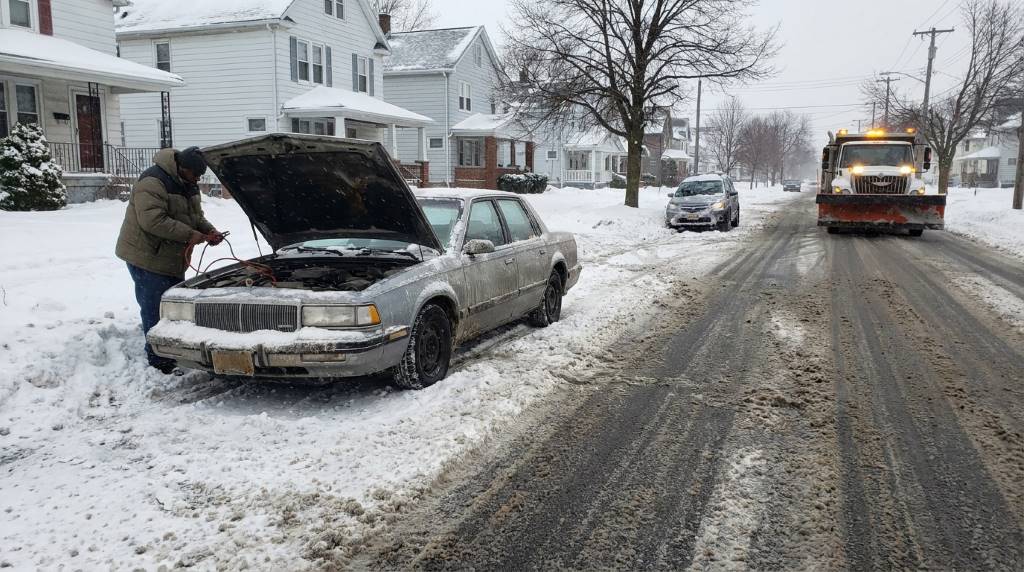
Buffalo, New York experiences some of the harshest winter conditions in the United States every year. The city receives more than 90 inches of snow annually, while freezing temperatures often stay below 32°F for weeks. These conditions create serious challenges for drivers and vehicles alike. In fact, many local mechanics report a major increase in battery failures, brake issues, and tire damage during peak winter months. Furthermore, understanding winter car temperature effects helps drivers prepare for the extreme conditions common in Buffalo. Drivers who understand these winter-related risks can reduce breakdowns, improve safety, and lower repair costs throughout the season.
Buffalo’s Extreme Winter Climate Creates Constant Stress on Vehicles
Buffalo sits near Lake Erie, which causes powerful lake-effect snowstorms throughout winter. As a result, roads often remain wet, icy, or covered in slush for long periods. Cold temperatures also thicken engine fluids and reduce battery performance significantly. Consequently, many vehicles struggle to start or operate smoothly during early morning commutes.
Heavy snowfall also traps moisture underneath vehicles for extended periods. This moisture speeds up rust formation on brake lines, suspension parts, and exhaust systems. Additionally, repeated freeze-thaw cycles weaken rubber seals and hoses faster than in warmer regions. Drivers who regularly follow proper cleaning routines like foam cannon car wash methods often reduce long-term winter damage.
Road Salt Causes Severe Corrosion Problems
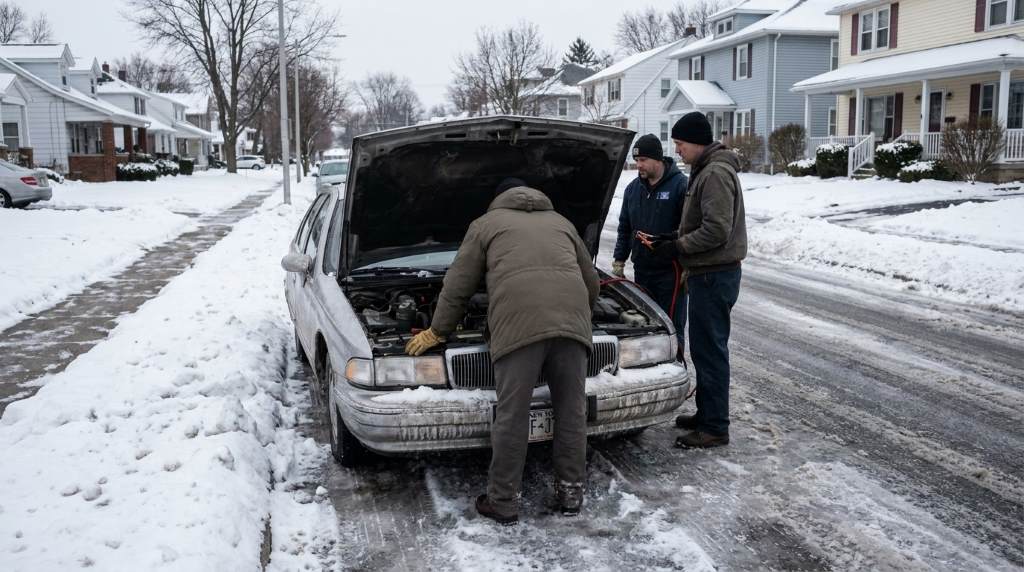
Buffalo road crews use large amounts of salt and chemical deicers to manage icy roads every winter. While these materials improve driving safety, they also create serious corrosion problems underneath vehicles. Salt sticks to metal surfaces and attracts moisture continuously. Therefore, rust develops much faster in Buffalo than in many other American cities.
Brake lines and fuel lines face the highest corrosion risk during winter months. Once rust weakens these parts, drivers may experience leaks or sudden failures without warning. Moreover, wheel wells and rocker panels often trap salty slush after every snowfall. Vehicle owners who inspect paint protection tools such as best HVLP paint sprayer guides can better maintain protective coatings against corrosion.
Why Salt Damage Happens Faster in Buffalo
- Frequent snowstorms require constant road salting.
- Lake-effect snow keeps roads wet longer.
- Freezing temperatures prevent quick evaporation.
- Slush collects inside hidden vehicle areas.
- Road debris scratches protective paint layers.
Cold Temperatures Destroy Battery Efficiency
Car batteries lose power quickly when temperatures fall below freezing. In Buffalo, overnight temperatures commonly drop into the teens or lower during winter. Cold weather slows chemical reactions inside the battery and reduces available starting power. Therefore, many vehicles fail to start after sitting outside overnight.
Short winter trips create additional battery strain because alternators cannot fully recharge the battery. Heated seats, defrosters, headlights, and cabin blowers also increase electrical demand heavily. Consequently, older batteries often die unexpectedly during cold mornings. Drivers who study car battery maintenance techniques usually avoid many common winter starting problems.
Signs Your Battery May Fail Soon
- Slow engine cranking during startup.
- Dim headlights while idling.
- Battery warning light appearing on the dashboard.
- Electrical accessories working inconsistently.
- Clicking noises during ignition attempts.
Potholes Become a Serious Winter Hazard
Buffalo roads suffer heavy damage every winter because of repeated freezing and thawing cycles. Water enters small pavement cracks, freezes, expands, and weakens the road surface over time. As temperatures rise briefly, sections of pavement collapse and create deep potholes. Consequently, drivers frequently experience tire blowouts, bent rims, and suspension damage.
Winter potholes can appear overnight after major storms or sudden temperature swings. Drivers often cannot see them because snow and slush hide the road surface completely. Furthermore, hitting a pothole at highway speed may damage steering alignment immediately. Many Buffalo repair shops see a sharp increase in wheel and suspension repairs every late winter.
Tire Performance Declines Rapidly in Buffalo Winters
Cold weather causes tire pressure to drop naturally as temperatures decrease. Even a small pressure loss can reduce traction on icy roads significantly. Underinflated tires also wear unevenly and increase stopping distances dangerously. Therefore, Buffalo drivers must monitor tire pressure frequently during winter months.
All-season tires often struggle during heavy snowstorms common around Buffalo. Winter tires provide better grip because they use softer rubber compounds and deeper tread patterns. Additionally, winter tires remain flexible even in freezing temperatures. Drivers who switch to proper snow tires usually experience safer braking and improved handling throughout winter.
Benefits of Winter Tires
- Better traction on snow-covered roads.
- Shorter stopping distances in icy conditions.
- Improved steering control during storms.
- Reduced risk of sliding on slush.
- More predictable handling in freezing temperatures.
Engine Fluids Struggle in Freezing Conditions
Winter temperatures in Buffalo affect nearly every fluid inside a vehicle. Engine oil thickens in cold weather and moves more slowly during startup. This delay increases engine wear because important components receive lubrication later than normal. As a result, cold starts place significant stress on engines during winter.
Transmission fluid, brake fluid, and windshield washer fluid also perform differently in freezing temperatures. Low-quality washer fluid may freeze completely inside reservoir lines. Furthermore, old coolant loses effectiveness and may fail to protect the engine properly. Regular fluid inspections become essential for avoiding costly winter repairs.
Snow and Ice Damage Brake Systems
Buffalo drivers use their brakes constantly during winter because slippery roads require slower speeds and cautious driving. Wet conditions also expose brake components to continuous moisture and salt buildup. Over time, rust forms on brake rotors, calipers, and hardware. Consequently, braking performance often declines faster during winter than any other season.
Ice buildup around wheels can also affect braking responsiveness temporarily. Drivers sometimes hear grinding or squealing noises after parking outside during snowstorms. Additionally, frozen parking brake cables may stick during extremely cold mornings. Routine brake inspections help drivers identify winter damage before serious failures occur.
Windshield Visibility Problems Increase Accident Risks
Heavy snowfall and road spray create constant visibility problems throughout Buffalo winters. Snow-covered roads throw dirty slush directly onto windshields within minutes of driving. Meanwhile, freezing temperatures often leave stubborn ice layers on glass surfaces overnight. Therefore, drivers must maintain strong windshield wipers and working defrosters consistently.
Cheap windshield washer fluid may freeze during severe cold snaps and stop spraying entirely. Cracked wiper blades also leave streaks that reduce visibility during snowstorms. Furthermore, road salt residue creates glare from headlights after sunset. Clear visibility becomes critical because winter accidents increase sharply during poor weather conditions.
Remote Starters Create Unexpected Mechanical Stress
Many Buffalo drivers use remote starters daily during winter to warm up their vehicles before driving. While this practice improves comfort, excessive idling may create hidden mechanical problems over time. Engines running at idle temperature produce more moisture inside exhaust systems. Consequently, condensation buildup may increase corrosion in mufflers and exhaust pipes.
Extended idling also burns extra fuel while providing limited engine warm-up benefits. Modern vehicles actually warm up more efficiently while driving gently after startup. Additionally, long idling periods may contribute to carbon buildup in some engines. This overlooked issue remains surprisingly common in cold-weather cities like Buffalo.
Frozen Door Seals and Locks Cause Daily Frustration
Buffalo winters often create freezing rain and wet snow that stick around vehicles overnight. Moisture trapped around rubber door seals freezes quickly as temperatures drop. Therefore, drivers frequently struggle to open frozen doors during early morning commutes. Pulling too hard may even damage weather stripping or door handles.
Locks also freeze when moisture enters small internal components. Drivers who force frozen locks risk breaking keys or damaging locking mechanisms. Silicone-based lubricants help prevent many of these problems effectively. Moreover, parking inside garages reduces moisture exposure significantly during severe winter storms.
Short Trips Make Winter Vehicle Problems Worse
Many Buffalo residents drive short distances during winter because of dangerous weather conditions. Unfortunately, short trips prevent engines and exhaust systems from reaching full operating temperatures. Moisture inside the engine remains trapped instead of evaporating naturally. Consequently, sludge buildup and internal corrosion become more likely over time.
Short trips also drain batteries faster because electrical systems work harder in cold weather. Heated seats, heaters, and defrosters consume large amounts of power immediately after startup. However, the alternator needs more driving time to replace that energy completely. Combining errands into longer trips helps reduce winter-related wear significantly.
How Buffalo Drivers Can Reduce Winter Car Problems
Drivers who prepare early for winter usually experience fewer breakdowns and lower repair costs. Seasonal inspections help identify weak batteries, worn tires, and leaking fluids before temperatures drop. Regular car washes also remove damaging road salt from hidden areas underneath the vehicle. Preventive maintenance remains the most effective defense against harsh Buffalo winters.
Car owners should also keep emergency supplies inside their vehicles throughout winter months. Blankets, jumper cables, flashlights, and portable chargers provide extra safety during breakdowns. Furthermore, checking weather forecasts before traveling helps drivers avoid dangerous storm conditions. Simple preparation steps often prevent costly emergencies during severe Buffalo winters.
Essential Winter Car Survival Items
- Ice scraper and snow brush.
- Portable jump starter.
- Warm gloves and blankets.
- Flashlight with spare batteries.
- Emergency tire inflator.
- Windshield washer fluid rated for freezing temperatures.
Conclusion
Buffalo drivers face more winter car problems because extreme cold, heavy snow, road salt, and icy conditions constantly stress every part of a vehicle. Batteries weaken faster, rust spreads aggressively, and potholes damage tires and suspensions regularly. However, drivers who stay proactive with inspections, tire care, and seasonal maintenance can avoid many serious breakdowns. Learning how Buffalo winters affect vehicles helps drivers stay safer and protect their long-term investment. If you want fewer winter repairs and better driving reliability, start preparing your vehicle before the next snowstorm arrives.
FAQs
Why do car batteries fail more often in Buffalo winters?
Cold temperatures reduce battery power and make engines harder to start.
How often should Buffalo drivers wash their cars in winter?
Drivers should wash their vehicles every one to two weeks to remove road salt buildup.
Are winter tires necessary in Buffalo, NY?
Yes, winter tires provide much better traction and safety during heavy snow and icy conditions.
What causes potholes to form during Buffalo winters?
Freeze-thaw cycles weaken pavement and create cracks that eventually collapse into potholes.
Can short trips damage a car during winter?
Yes, short trips prevent full engine warm-up and increase moisture buildup inside the vehicle.