Electrical System Issues in Steering Wheels: A Growing Concern in Phoenix, AZ
Modern vehicles rely heavily on integrated electrical systems, and steering wheels now house many of these controls. In fact, studies show that over 35% of vehicle electrical complaints involve steering column components or connected systems. Drivers in Phoenix, AZ, face added stress due to extreme heat, which accelerates wear and tear on wiring and circuits. While many focus on engine or brake issues, steering wheel electronics often go unnoticed until failure occurs. For example, problems like a non-working horn or control buttons can point to deeper wiring faults, and learning how to fix steering wheel horn wiring problem can help identify early warning signs. Understanding these issues can prevent costly repairs and improve driving safety.
Steering Wheel Electrical Systems
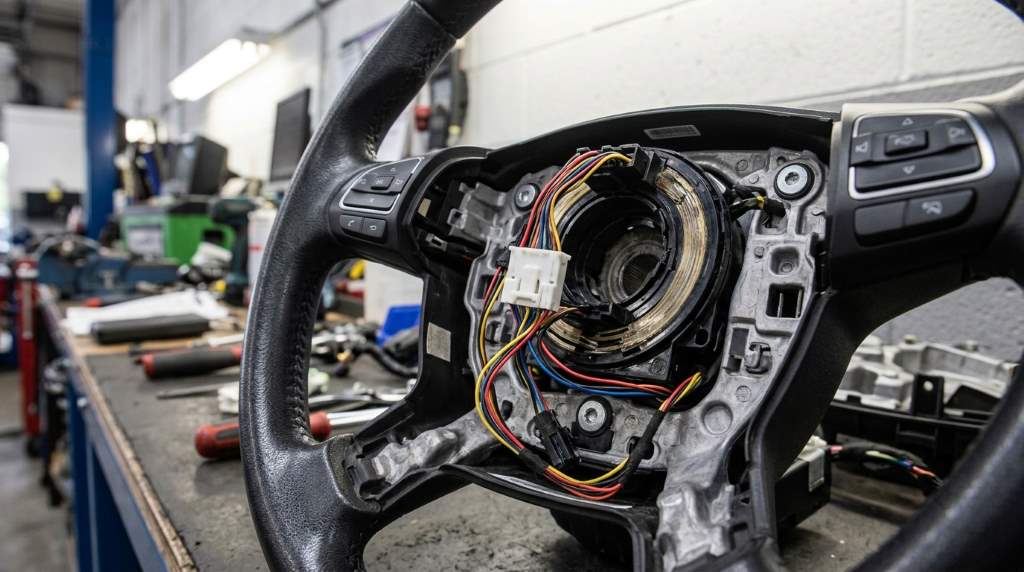
Steering wheels today include far more than just a mechanical turning function. They often control audio, cruise systems, airbags, and communication features. These components rely on a network of wiring, sensors, and connectors inside the steering column. As a result, even a small fault can disrupt multiple functions at once. Drivers may notice intermittent button failures or warning lights appearing without clear reasons. Therefore, understanding how these systems work helps detect issues early.
Key Components Inside the Steering Wheel
Several parts work together to deliver electrical functionality in steering wheels. Each component plays a role in maintaining smooth operation. When one fails, it often affects others connected in the system. For instance, the clock spring is a common failure point in many vehicles. Recognizing these parts makes troubleshooting easier and faster.
- Clock spring (spiral cable)
- Steering wheel control switches
- Airbag wiring system
- Horn circuit connections
- Electrical connectors and harnesses
Why Phoenix Climate Worsens Electrical Issues
Phoenix is known for its intense heat, with summer temperatures often exceeding 110°F (43°C). High temperatures can degrade insulation on wires and weaken plastic connectors over time. As heat cycles continue daily, expansion and contraction cause tiny cracks in electrical components. Consequently, wiring becomes brittle and prone to failure. Dust and dry air further add to the problem by entering small gaps in the steering column. These environmental factors make electrical issues more frequent in this region.
Heat Impact on Wiring Systems
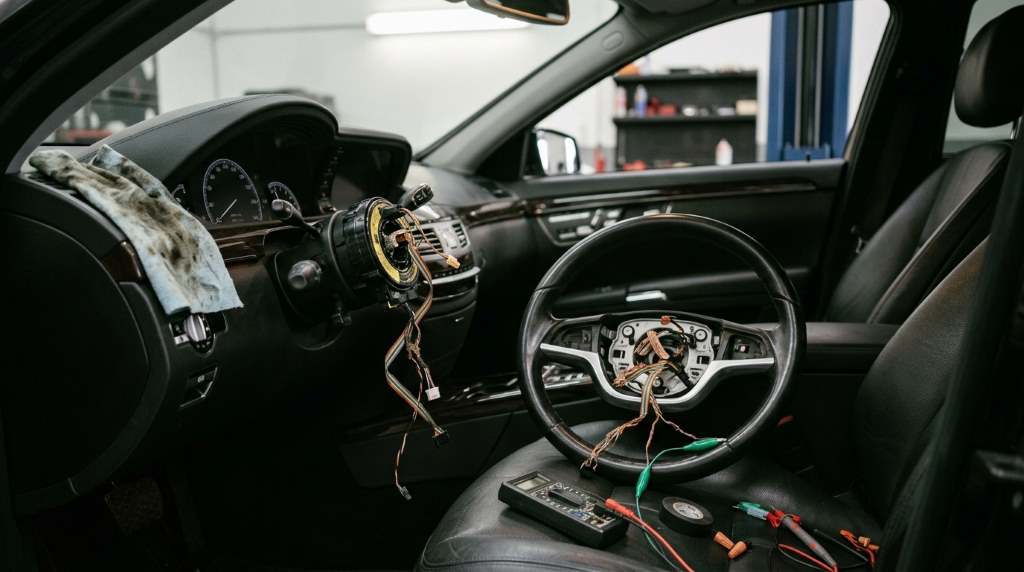
Extreme heat directly affects the durability of electrical wiring. Insulation materials lose flexibility when exposed to prolonged high temperatures. Over time, this leads to exposed wires or short circuits within the steering column. Additionally, heat increases electrical resistance, which can disrupt signal flow. Drivers might notice delayed response from steering wheel buttons or complete system failure. Addressing these issues early helps avoid safety risks.
Common Electrical Problems in Steering Wheels
Drivers in Phoenix report several recurring steering wheel electrical issues. These problems often start small but can escalate quickly. Identifying them early helps reduce repair costs and downtime. Each symptom usually points to a specific component failure. Therefore, paying attention to warning signs is essential.
Faulty Clock Spring
The clock spring connects the steering wheel to the vehicle’s electrical system while allowing rotation. It maintains continuous electrical contact even as the wheel turns. However, it wears out over time due to constant movement. When it fails, multiple features like the horn, airbag, or buttons may stop working. This is one of the most common issues in modern vehicles. Replacing it often restores full functionality.
Non-Responsive Steering Controls
Steering wheel buttons control various functions such as volume, calls, and cruise settings. When these buttons stop responding, wiring faults are often the cause. Loose connections or worn switches can interrupt signals. In some cases, software glitches may also contribute to the issue. However, physical wear remains the leading factor. Regular inspection can prevent sudden failures.
Airbag Warning Light Issues
The airbag system connects through the steering wheel, making it sensitive to wiring problems. If the clock spring or connectors fail, the airbag warning light may turn on. This indicates a potential safety risk that requires immediate attention. Ignoring it can lead to airbag malfunction during accidents. Therefore, addressing this issue quickly is critical. Professional diagnosis ensures accurate repairs.
Signs You Should Not Ignore
Electrical issues often show subtle warning signs before complete failure. Drivers who notice these early can avoid major repairs. These symptoms may appear occasionally at first but become more frequent over time. Ignoring them can lead to safety hazards. Recognizing these signs is key to maintaining vehicle reliability.
- Intermittent horn failure
- Buttons working inconsistently
- Clicking sounds when turning the wheel
- Airbag warning light activation
- Loss of cruise control function
Diagnosing Steering Wheel Electrical Problems
Proper diagnosis requires a systematic approach. Technicians typically start with a visual inspection of wiring and connectors. They then use diagnostic tools to check for error codes in the vehicle system. This helps identify the exact source of the problem. In many cases, multiple components may need testing. Accurate diagnosis prevents unnecessary part replacements.
Tools Used for Diagnosis
Modern vehicles require specialized tools for electrical testing. These tools help detect faults quickly and precisely. Mechanics rely on both manual inspection and digital diagnostics. Using the right tools ensures reliable results. This reduces repair time and cost.
- OBD-II scanner
- Multimeter for voltage testing
- Wiring diagrams
- Circuit testers
Related:
How to Pick the Best HVLP Paint Sprayer for Cars in 2026
How to Wash a Car with Water Using the Foam Cannon Method
Repair Solutions for Common Issues
Repairing steering wheel electrical systems depends on the type of fault. Some issues require simple fixes, while others need part replacement. Addressing problems early often reduces repair complexity. Skilled technicians follow a structured repair process. This ensures long-term reliability of the system.
Replacing the Clock Spring
Clock spring replacement is a common repair for steering wheel issues. The process involves removing the steering wheel and accessing the internal wiring. Technicians must handle the airbag system carefully during this process. Once replaced, all electrical connections are restored. This often resolves multiple issues at once. It is a cost-effective solution for many drivers.
Fixing Loose or Damaged Wiring
Loose wiring can cause intermittent electrical failures. Mechanics secure connections and replace damaged wires as needed. In Phoenix, heat damage often requires replacing entire wiring sections. Proper insulation is crucial to prevent future issues. Technicians may also apply protective coverings. This helps extend the lifespan of repairs.
Preventive Maintenance Tips
Preventing electrical issues is always better than fixing them later. Regular maintenance helps identify problems early. Drivers in Phoenix should take extra precautions due to the harsh climate. Simple steps can significantly reduce the risk of failures. Consistency is key to maintaining system performance.
- Park in shaded or covered areas
- Schedule regular electrical inspections
- Avoid excessive steering wheel force
- Keep interior clean to prevent dust buildup
- Address minor issues immediately
Cost of Repairs in Phoenix, AZ
Repair costs vary depending on the issue and vehicle model. Minor wiring fixes may cost between $100 and $300. However, replacing a clock spring can range from $300 to $800. Labor costs in Phoenix are slightly higher due to demand and expertise required. Additionally, luxury vehicles may have higher repair expenses. Planning for these costs helps avoid financial surprises.
When to Seek Professional Help
Some steering wheel electrical issues require expert attention. DIY fixes may work for minor problems but can worsen complex faults. If safety features like airbags are involved, professional repair is essential. Certified technicians have the tools and knowledge needed. They ensure repairs meet safety standards. Choosing the right service provider improves outcomes.
Future Trends in Steering Wheel Technology
Steering wheel technology continues to evolve with advanced features. New models include touch-sensitive controls and integrated displays. While these innovations improve convenience, they also increase system complexity. As a result, electrical issues may become more challenging to diagnose. However, improved materials and design aim to reduce failures. Staying informed helps drivers adapt to these changes.
Conclusion
Electrical system issues in steering wheels are becoming more common, especially in hot regions like Phoenix, AZ. Heat, dust, and daily wear all contribute to wiring failures and component breakdowns. Recognizing early signs and taking preventive steps can save time and money. Regular inspections and timely repairs ensure safety and performance. If you notice any warning signs, act quickly to prevent bigger problems. Consult a professional technician today to keep your vehicle reliable and safe.
FAQs
What causes steering wheel electrical failure?
Heat, worn wiring, and faulty components like the clock spring are the main causes.
Is it safe to drive with steering wheel electrical issues?
It can be risky, especially if the airbag system or controls are affected.
How long does a clock spring last?
Most clock springs last 80,000 to 100,000 miles depending on usage.
Can I fix steering wheel wiring myself?
Minor fixes are possible, but complex issues should be handled by professionals.
Why is my horn not working from the steering wheel?
It is often due to a faulty clock spring or broken wiring connection.