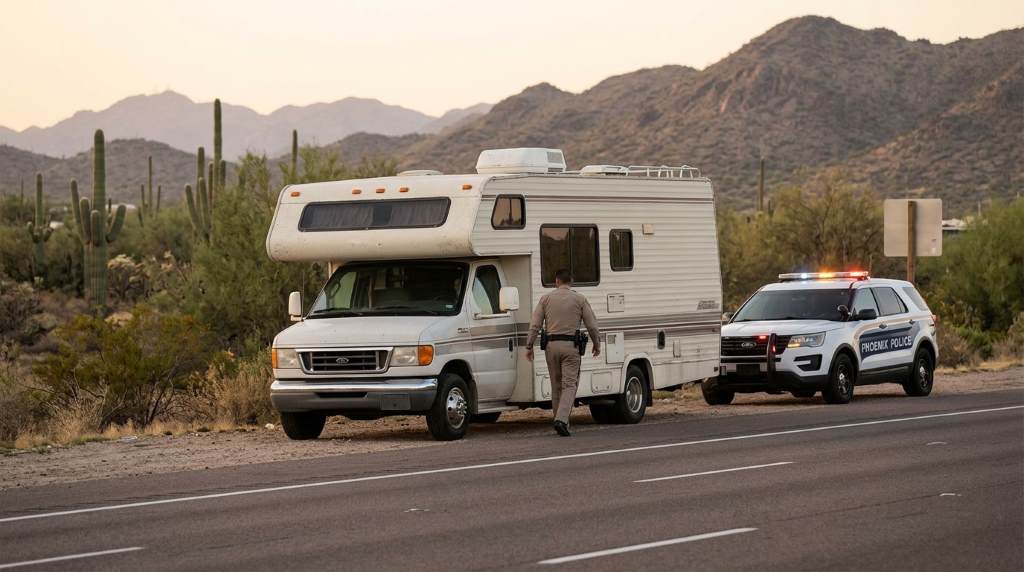
Why Phoenix, AZ Campers Face Highway Fines
Phoenix attracts thousands of campers every year because it offers sunny weather, scenic highways, and easy access to outdoor destinations. However, many drivers receive avoidable citations because they overlook towing and equipment rules. According to transportation data, Arizona highways carry millions of visitors annually, while improper vehicle issues remain a common enforcement concern. Therefore, understanding RV flat towing laws helps travelers reduce legal risks before every trip. Learning these requirements also protects passengers, equipment, and fellow motorists.
Common Reasons Campers Receive Highway Fines
Many highway fines happen because drivers assume camping vehicles follow ordinary passenger car regulations. However, recreational vehicles often have additional legal responsibilities before entering public roads.
Regular inspections reduce expensive surprises during travel. For example, following proper wash car with foam cannon methods also makes safety inspections easier because dirt no longer hides damaged equipment.
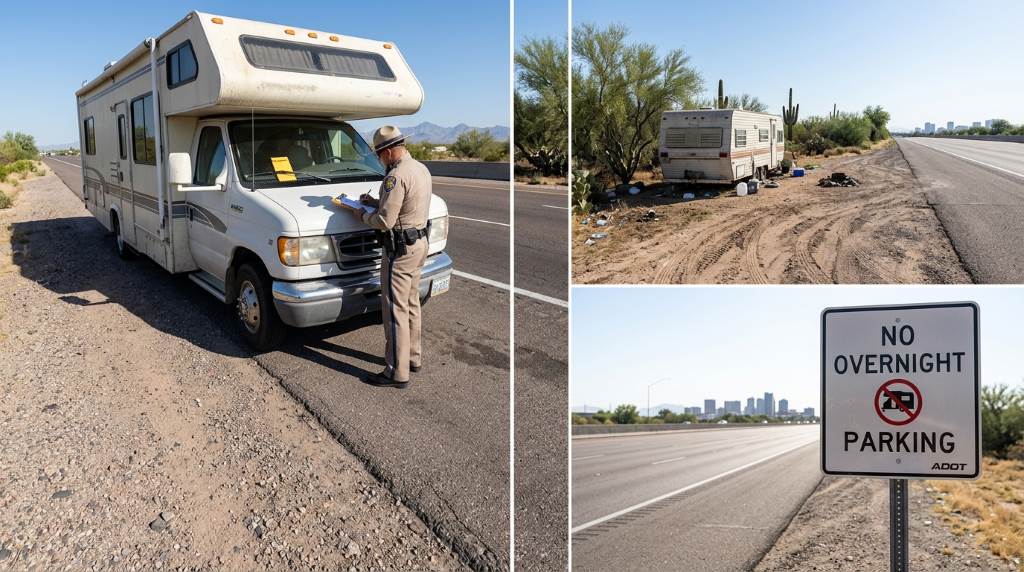
Improper Towing Equipment
Towing systems must match vehicle weight and manufacturer recommendations. Otherwise, unstable trailers create dangerous highway conditions and attract immediate law enforcement attention.
Safety chains, hitch locks, electrical connectors, and breakaway cables deserve careful inspection before every departure. Consequently, missing or damaged components often result in citations during roadside inspections.
Lighting Problems
Broken brake lights, turn signals, or trailer markers create serious visibility concerns after sunset. Therefore, officers frequently stop campers with defective lighting systems.
Replacing burned bulbs costs far less than paying highway penalties. Furthermore, working lights improve reaction times for nearby drivers during traffic changes.
Registration Issues
Expired registration creates unnecessary legal problems for otherwise responsible campers. Likewise, unreadable license plates often trigger additional inspections.
Drivers should verify registration dates before every road trip. As a result, simple preparation prevents frustrating roadside delays.
Vehicle Maintenance Plays a Major Role
Mechanical failures increase accident risks and often attract enforcement attention. Therefore, preventive maintenance remains one of the smartest investments for every camper.
Maintaining the vehicle exterior also supports better inspections before long trips. Likewise, learning best HVLP paint sprayer techniques helps owners protect exposed metal surfaces from long term weather damage.
Brake System Inspection
Heavy recreational vehicles place greater demands on braking systems than regular passenger cars. Consequently, worn brake components reduce stopping performance on busy highways.
Drivers should inspect brake pads, fluid levels, and trailer brake controllers before every journey. This routine greatly improves road safety during mountain and desert travel.
Tire Condition
Old tires frequently fail under extreme summer temperatures around Phoenix. Therefore, checking tread depth and tire pressure remains essential before departure.
Uneven tire wear may indicate suspension or alignment problems. Early repairs prevent expensive roadside emergencies and possible legal violations.
Weight Limits Matter More Than Many Campers Expect
Every camper has a maximum allowable weight determined by the manufacturer. Exceeding those limits increases stopping distance and reduces steering control.
Routine mechanical care also protects heavily loaded vehicles. Additionally, following proper car battery maintenance practices helps avoid electrical failures during extended camping trips.
Common Overloading Mistakes
Many travelers pack unnecessary equipment without calculating total trailer weight. Unfortunately, excessive cargo places dangerous stress on suspension and tires.
Heavy water tanks, generators, and outdoor furniture quickly increase total vehicle weight. Therefore, travelers should carry only essential camping supplies.
- Check the gross vehicle weight rating.
- Weigh the trailer before long trips.
- Balance cargo evenly across storage areas.
- Secure loose equipment before driving.
Speed Regulations Affect Large Campers
Large campers require greater stopping distances than smaller vehicles. Therefore, excessive speed creates higher accident risks on crowded highways.
Drivers should maintain safe following distances during busy travel periods. Moreover, reduced speeds improve fuel efficiency and passenger comfort.
Mountain Roads Require Extra Attention
Steep grades demand careful speed management while descending hills. Consequently, improper braking techniques may overheat important components.
Lower transmission gears provide additional control during long descents. This approach also reduces unnecessary brake wear.
Documentation Should Always Stay Current
Law enforcement officers routinely verify essential documents during roadside inspections. Therefore, missing paperwork often extends traffic stops unnecessarily.
Drivers should organize paperwork inside an accessible storage compartment. Keeping everything together saves valuable time during inspections.
- Vehicle registration
- Driver license
- Insurance documents
- Trailer registration when required
- Emergency contact information
Weather Conditions Increase Enforcement Risks
Extreme desert temperatures create additional challenges for recreational vehicles. Consequently, overheated engines and damaged tires become more common during summer travel.
Checking weather forecasts before departure helps drivers prepare for changing conditions. Furthermore, proper planning reduces emergency roadside stops.
Practical Steps to Avoid Highway Fines
Preparation remains the easiest way to avoid expensive legal issues while camping. Small inspections often prevent major roadside problems.
- Inspect lights before every trip.
- Verify hitch connections carefully.
- Check tire pressure regularly.
- Confirm registration validity.
- Review trailer weight limits.
- Test trailer brakes completely.
- Carry emergency safety equipment.
Responsible driving habits protect both travelers and surrounding motorists. Likewise, careful preparation creates smoother vacations without unnecessary interruptions.
Conclusion
Phoenix campers often face highway fines because they overlook maintenance, towing equipment, weight limits, or documentation requirements. Fortunately, consistent inspections and careful planning reduce those risks significantly before every journey.
Review your camper thoroughly before each trip and correct small issues immediately. Taking proactive safety steps today helps you enjoy stress free adventures tomorrow.
Frequently Asked Questions
Why do campers receive highway fines in Phoenix?
Most fines result from equipment violations, registration issues, overloaded vehicles, or unsafe towing practices.
Can overloaded campers receive traffic citations?
Yes, exceeding approved weight limits may result in fines and additional safety inspections.
Should trailer lights work during daytime travel?
Yes, all required lighting equipment must remain fully operational regardless of travel time.
How often should camper tires be inspected?
Drivers should inspect tires before every trip and monitor pressure throughout long journeys.
Does regular maintenance help prevent highway fines?
Yes, routine maintenance reduces mechanical failures that commonly lead to roadside enforcement actions.