Why Auto Steering Fails in Los Angeles, CA Traffic
Modern driver assistance systems improve daily driving, yet many motorists still experience unexpected steering problems. According to the National Highway Traffic Safety Administration, advanced safety technologies continue expanding across newer vehicles. Meanwhile, heavy urban congestion creates additional challenges for automated driving features. Many owners searching for solutions to lane keep assist not working discover that dense city traffic often reduces system reliability.
Los Angeles traffic places constant pressure on cameras, sensors, and steering systems every day. This guide explains why automatic steering struggles, how drivers can reduce failures, and when professional service becomes necessary. You will also learn practical maintenance habits that improve system performance and overall driving confidence.
Why Los Angeles Traffic Creates Unique Steering Challenges
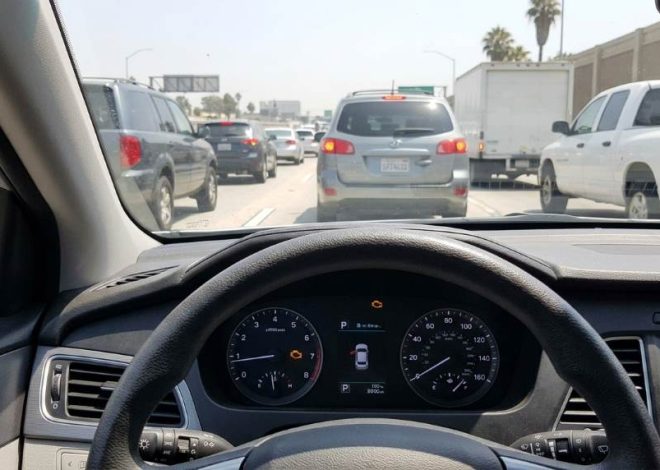
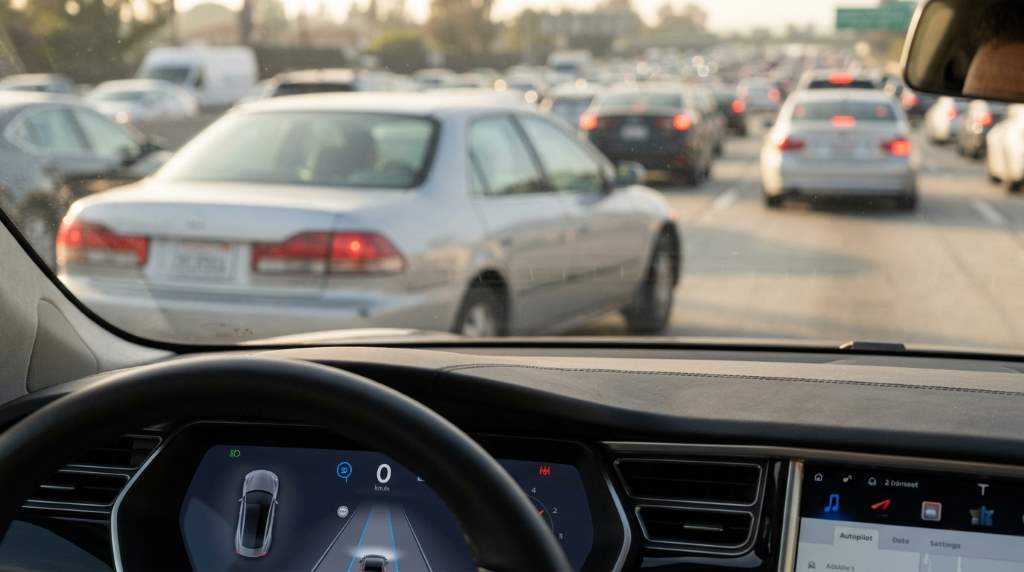
Los Angeles features crowded highways, frequent lane changes, and long commuting hours. These conditions force automated steering systems to process thousands of visual updates every minute. Consequently, small sensor limitations become much more noticeable.
Heavy traffic also increases the chance of blocked lane markings and sudden vehicle movements. Drivers should follow regular car battery maintenance because stable electrical power supports cameras, sensors, and steering control modules.
Construction projects frequently change road layouts across major highways. Therefore, steering assistance may hesitate when pavement markings disappear or temporary lanes replace permanent ones. Even advanced systems cannot predict every temporary traffic pattern.
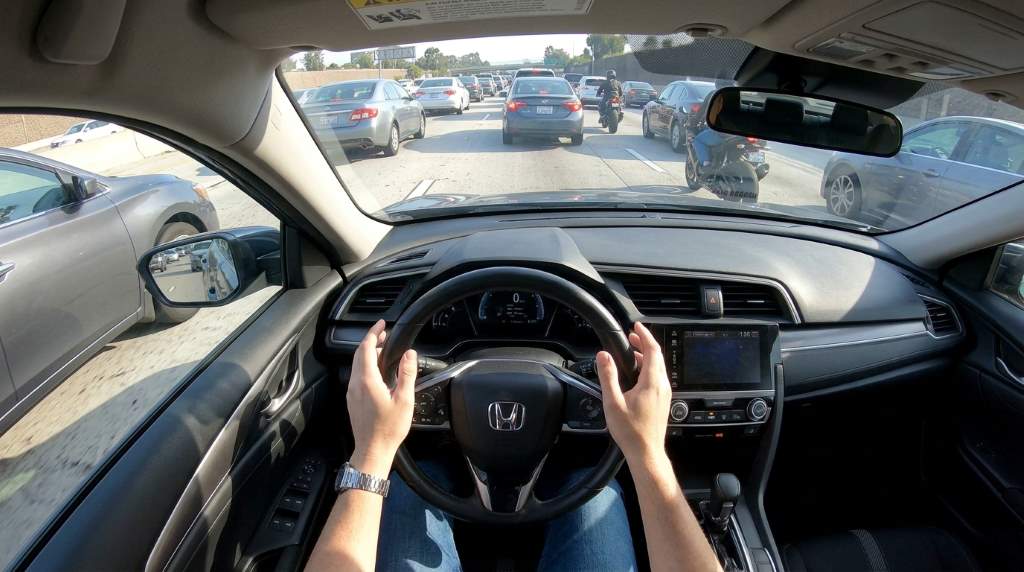
Constant Stop And Go Conditions
Traffic congestion forces repeated acceleration and braking throughout every commute. Steering assistance performs best during smoother highway driving with clearly marked lanes. Frequent interruptions reduce prediction accuracy.
Multiple Lane Merges
Several highways merge within short distances around busy metropolitan areas. Vehicles constantly enter and exit traffic from different directions. Consequently, automatic steering often transfers more control back to the driver.
Common Reasons Auto Steering Fails
Most failures result from environmental conditions rather than permanent vehicle damage. Understanding these causes helps drivers respond safely instead of assuming expensive repairs become necessary. Many situations resolve after simple inspections.
Dirty cameras remain one of the leading causes of steering assistance failure. Dust, insects, road grime, and rainwater reduce image quality significantly. Even small obstructions affect lane recognition.
Cold mornings, bright sunlight, and deep shadows also confuse forward facing cameras. Although technology continues improving, lighting changes still challenge many vision based systems.
- Dirty windshield cameras
- Blocked front radar sensors
- Faded lane markings
- Heavy rain or dense fog
- Poor wheel alignment
- Low battery voltage
- Software calibration issues
Sensor Calibration Problems
Camera calibration changes after windshield replacement, suspension repairs, or collision damage. Incorrect calibration reduces steering accuracy immediately. Professional recalibration restores proper operation.
Electrical System Issues
Modern steering assistance depends on stable electrical communication between multiple control units. Weak batteries sometimes trigger warning messages before complete system failure appears.
Road Conditions That Reduce Steering Accuracy
Road quality directly affects automated steering performance during everyday driving. Uneven pavement, faded paint, and temporary construction markings confuse onboard cameras. Therefore, drivers should stay alert whenever road conditions change.
Harsh seasonal conditions affect vehicles everywhere, although regional weather differs considerably. Learning about winter car problems also highlights how environmental conditions influence advanced driver assistance systems.
Fresh asphalt often lacks permanent lane markings for several days. During this period, steering systems receive limited visual guidance. Drivers should maintain complete vehicle control until markings return.
Bright Sunlight
Direct sunlight sometimes creates glare across cameras and reflective lane paint. Reduced contrast limits lane detection accuracy temporarily. Fortunately, performance usually improves after lighting changes.
Heavy Rain
Rainwater hides painted lane lines and reduces camera visibility. Water spray from surrounding vehicles creates additional visual interference. Steering assistance naturally becomes less dependable.
Vehicle Maintenance Helps Prevent Steering Failures
Routine maintenance supports every electronic safety feature inside modern vehicles. Preventive inspections identify small issues before warning lights appear. Consequently, drivers experience fewer unexpected system interruptions.
Windshield cleanliness matters more than many owners realize. Cameras view the road through the glass continuously. Clean glass improves recognition accuracy under changing lighting conditions.
Wheel alignment also influences steering assistance performance significantly. Misaligned wheels cause vehicles to drift slightly even on straight roads. Automated systems must compensate for unnecessary steering corrections.
Maintenance Checklist
- Clean the windshield weekly.
- Inspect front sensors regularly.
- Replace damaged windshield glass promptly.
- Maintain correct tire pressure.
- Check battery condition annually.
- Schedule wheel alignment after suspension repairs.
- Install software updates when available.
How Drivers Can Respond Safely
Drivers should always remain prepared to control the vehicle immediately. Automatic steering assists rather than replaces human judgment. Staying attentive remains the safest approach.
If warning indicators appear, avoid sudden steering movements or panic braking. Instead, maintain steady control and move safely toward an appropriate stopping location. Then inspect the vehicle carefully.
Persistent warning messages require professional diagnosis because electronic systems communicate through multiple interconnected modules. Accurate testing prevents unnecessary parts replacement and reduces repair costs.
Signs Professional Service Is Needed
- Repeated steering warning messages
- Unexpected steering disengagement
- Camera calibration alerts
- Radar sensor faults
- Steering wheel vibration after repairs
Can Future Technology Solve These Problems?
Manufacturers continue improving cameras, radar sensors, and artificial intelligence for safer driving assistance. Newer software identifies lane markings more accurately than earlier generations. However, every system still operates within defined limitations.
Better mapping, stronger processors, and improved sensor fusion will increase steering reliability. Nevertheless, human drivers will continue providing essential oversight during unpredictable traffic situations.
Conclusion
Auto steering systems offer valuable assistance, yet Los Angeles traffic creates demanding conditions beyond ideal operating environments. Clean sensors, proper maintenance, accurate calibration, and attentive driving greatly improve system reliability.
Follow your vehicle maintenance schedule, respond quickly to warning messages, and never depend entirely on automated steering. These practical habits protect both your vehicle and everyone sharing the road.
Frequently Asked Questions
Why does auto steering stop working in heavy traffic?
Heavy traffic reduces clear lane visibility and increases unpredictable vehicle movements.
Can dirty cameras disable steering assistance?
Yes, dirt or debris can prevent cameras from detecting lane markings correctly.
Does wheel alignment affect auto steering?
Yes, poor wheel alignment can reduce steering assistance accuracy significantly.
Should I drive if the steering assist warning appears?
You can drive carefully, but you should inspect and repair the system promptly.
Can software updates improve steering performance?
Yes, manufacturers often release updates that improve system reliability and accuracy.