How to Pick an Affordable Shop Vac for Garage Maintenance
A clean garage is easier to work in. It is safer, too. Whether you are a weekend mechanic, a woodworker, or someone who just stores their car there, dust and debris build up fast. A shop vacuum is one of the most practical tools you can own. However, with so many options on the market, picking the right one can feel confusing.
This guide breaks it all down for you. You will learn what features matter, what to avoid, and how to find a reliable low cost vacuum that gets the job done without draining your wallet.
Why a Shop Vac Is a Garage Essential
A regular household vacuum is not built for garage work. It cannot handle wet messes, heavy debris, or fine sawdust. Using one in a garage can damage the motor and create a fire hazard.
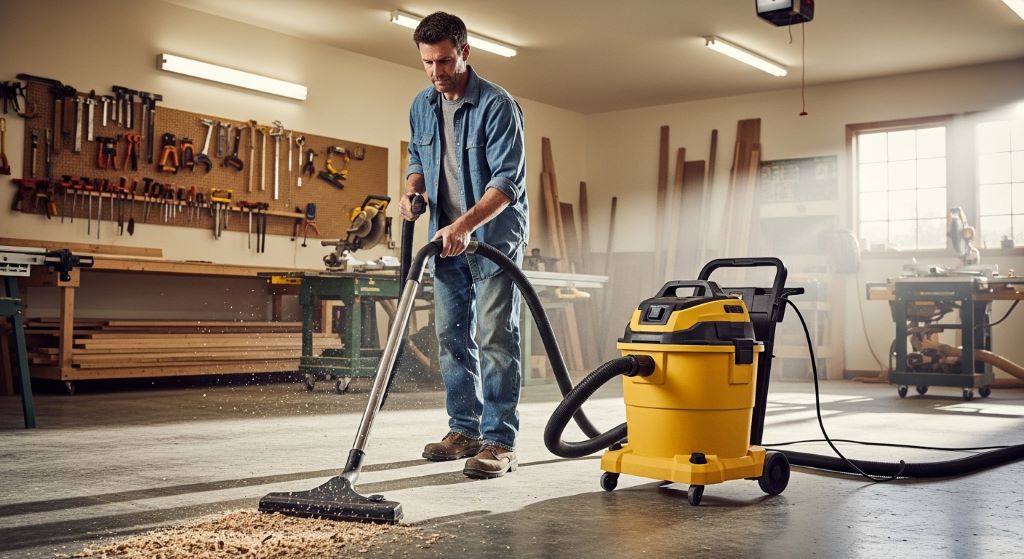
A shop vac, on the other hand, is designed for tough environments. It can pick up nails, screws, wood chips, and even puddles of liquid. Additionally, it handles drywall dust and concrete debris with ease. For anyone who spends time working in a garage, this type of vacuum is not a luxury — it is a necessity.
Understanding the Basics Before You Buy
Before jumping into features, it helps to understand how shop vacs work. Most models use a large canister to collect debris. A motor pulls air through a filter and into the tank. Wet messes go directly into the tank without damaging the motor, as long as the right filter is in place.
Shop vacs come in many sizes and power levels. Therefore, knowing what you plan to clean will help you choose the right model. A small garage with light dust needs a different machine than a large workshop full of sawdust and metal shavings.
Key Features to Look For
Tank Size
Tank size is measured in gallons. Smaller tanks, around 2 to 5 gallons, are easy to carry and store. They work well for quick cleanups and tight spaces. However, they fill up faster, which means more frequent emptying.
Larger tanks, from 10 to 16 gallons, hold more debris and are better suited for big jobs. The trade-off is that they are heavier and take up more floor space. For most home garages, a 6 to 9 gallon model strikes a good balance between capacity and convenience.
Motor Power
Motor power is listed in horsepower (HP) or peak horsepower. Most home shop vacs range from 3 HP to 6.5 HP. More power means stronger suction, which is useful for picking up heavy materials.
That said, higher horsepower does not always mean better performance. Suction efficiency also depends on the design of the hose, filters, and airflow path. Therefore, do not base your decision on HP alone. Read reviews and check real-world performance comparisons before committing.
Filtration System
Filtration is one of the most important features to consider. A good filter keeps fine dust from blowing back into the air. This matters a lot if you are working with drywall dust, sawdust, or other fine particles.
Look for a vacuum with a high-efficiency filter or a foam sleeve for wet pickups. Some models use a cartridge filter, which is easier to clean and reuse. Additionally, check if replacement filters are easy to find and reasonably priced. A vacuum with expensive or hard-to-find filters can cost you more in the long run.
Hose and Accessory Quality
The hose connects the vacuum to whatever you are cleaning. A longer hose gives you more reach, which is handy in a large garage. Look for a hose that is at least 7 feet long and has a wide diameter for better airflow.
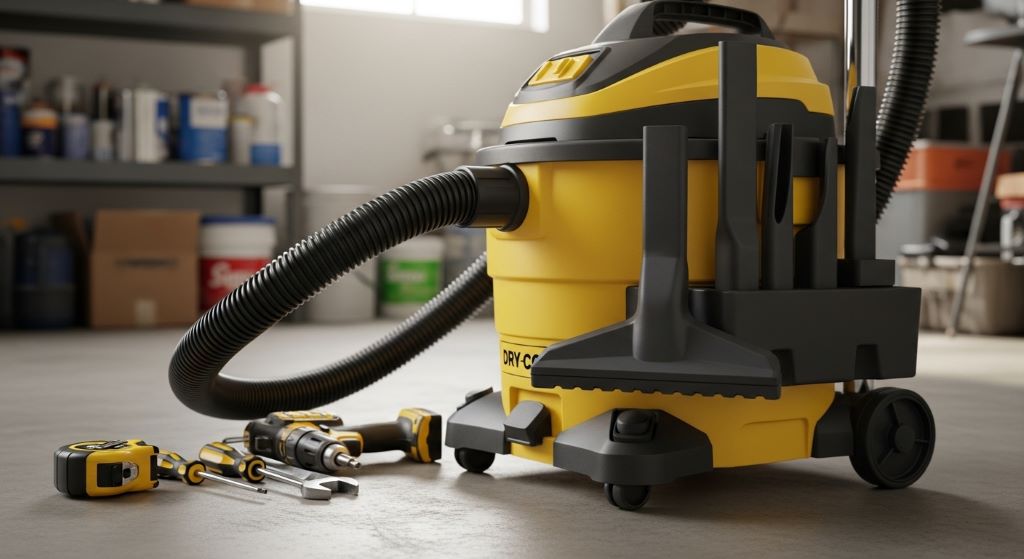
Accessories matter too. Most shop vacs come with a set of nozzles and attachments. A crevice tool, a floor nozzle, and a utility nozzle cover most garage tasks. Check that the attachments fit securely and are made from sturdy plastic or rubber. Loose or flimsy attachments are a common frustration with budget models.
Noise Level
Shop vacs are not quiet machines. However, some are significantly louder than others. If you work in a residential area or have neighbors close by, this might matter to you.
Some manufacturers list decibel ratings. Anything under 75 decibels is considered acceptable for extended use. If noise is a concern, look for models marketed as “quiet” or check user reviews specifically for noise feedback.
Portability and Storage
Consider how and where you will store the vacuum. A compact model with a short cord and stackable design saves space. Some shop vacs come with built-in cord and hose storage, which keeps your garage tidy.
Wheels and a sturdy handle also make a difference. Moving a heavy, full canister across the garage floor is much easier with smooth-rolling casters. Additionally, some models are designed to sit under a workbench, which is a great feature for garages with limited room.
What Makes a Good Wet Dry Vacuum for Garage Use
Not every shop vac performs equally on both wet and dry tasks. A true wet dry vacuum should switch between modes easily. For dry use, a cartridge or pleated filter is best. For wet pickups, most manufacturers recommend removing the filter entirely or switching to a foam sleeve.
Always check the user manual before tackling a wet mess. Using the wrong filter for liquid pickup can damage the motor. The best wet dry vacuum models make this process simple with clear instructions and easy-to-swap filters.
Additionally, look for a drain port on the canister. This small feature makes emptying liquid messes much faster and less messy. It is a small detail that saves a surprising amount of time.
How to Find a Low Cost Vacuum That Does Not Cut Corners
Affordable does not have to mean low quality. Many reliable shop vacs sell for under $60. However, knowing what separates a good budget buy from a poor one takes a bit of research.
Start by sticking to well-known brands. Companies like RIDGID, Craftsman, and WORKSHOP have a long track record in this category. Their entry-level models are tested to handle real garage conditions and come with decent warranties.
Next, read customer reviews carefully. Look for patterns in the feedback. If multiple buyers mention a cracked hose after a few months or a filter that clogs too quickly, take that seriously. On the other hand, consistent praise for suction power and durability is a strong signal.
Finally, check the warranty. A one-year warranty is standard. Some brands offer more. A longer warranty shows confidence in the product and gives you peace of mind.
Comparing Corded vs. Cordless Models
Most shop vacs are corded. They offer consistent power and never run out of battery mid-job. For a garage setting, a corded model is usually the better choice. You are typically working near an outlet, and you do not need to worry about recharging.
However, cordless shop vacs have improved significantly in recent years. They offer real convenience for quick cleanups and jobs away from an outlet. The trade-off is runtime. A typical cordless model runs for 20 to 40 minutes on a full charge. Additionally, battery-powered vacs tend to cost more upfront.
If portability is your top priority and your jobs are short, a cordless model is worth considering. Otherwise, a corded model gives you better value and reliability for routine garage maintenance.
Maintenance Tips to Extend the Life of Your Shop Vac
Buying the right vacuum is only half the job. Taking care of it ensures it lasts for years. Here are a few simple habits that make a difference:
- Empty the canister regularly. A full tank reduces suction power significantly.
- Clean or replace filters as recommended by the manufacturer.
- Check the hose for cracks or blockages before each use.
- Store the vacuum in a dry area to protect the motor from moisture.
- Inspect the power cord for any damage before plugging in.
These steps take only a few minutes but can add years to the life of your machine.
Conclusion
Finding the right shop vac for your garage does not have to be complicated. Start by thinking about the size of your space and the type of debris you deal with most. Then, focus on the features that matter most — tank size, motor power, filtration, and hose quality.
A good low cost vacuum can handle everything from sawdust to spilled liquids without breaking the bank. Look for trusted brands, read user reviews, and check warranty coverage before making a final decision. With the right wet dry vacuum in your garage, cleanup becomes quick, easy, and stress-free.
The best shop vac is the one that fits your needs today and holds up over time. Take your time, compare your options, and invest in a tool that will serve you well for years to come.
Frequently Asked Questions
What size shop vac is best for a home garage?
A 6 to 9 gallon model works well for most home garages. It holds enough debris for a full cleaning session without being too heavy or bulky to move around easily.
Can I use a shop vac to pick up water?
Yes. Most shop vacs are designed for both wet and dry use. However, you usually need to remove or swap the filter before picking up liquids. Always check your model’s manual for the correct setup.
How often should I clean or replace the filter?
It depends on how often you use the vacuum and what you are cleaning. A good rule of thumb is to inspect the filter after every few uses and replace it when it looks clogged or damaged.
Are cheap shop vacs worth buying?
Many affordable models from reputable brands perform very well for home garage use. The key is to read reviews, stick to known brands, and check the warranty before purchasing.
What is the difference between a shop vac and a regular vacuum?
A shop vac is built to handle heavy debris, liquids, and fine dust in tough environments. A regular household vacuum is designed for carpets and light indoor use and is not suitable for garage conditions.
Related Topics:
Garage Door Lubrication Guide: Keep Rollers, Hinges, and Pulleys Running Quietly
Carriage Doors vs. Traditional Garage Doors: A Design Perspective for Architects and Homeowners