Understanding Hail Damage Repair Costs with Insurance: A Comprehensive Guide
Hailstorms can be a nightmare for car owners, leaving behind a trail of dents and damaged paint that can significantly impact your vehicle’s appearance and value. Dealing with the aftermath often involves navigating insurance claims and understanding the costs associated with hail damage repair. This comprehensive guide will walk you through the process, shedding light on repair costs, insurance coverage, and frequently asked questions to help you make informed decisions.
Assessing the Damage: The First Step
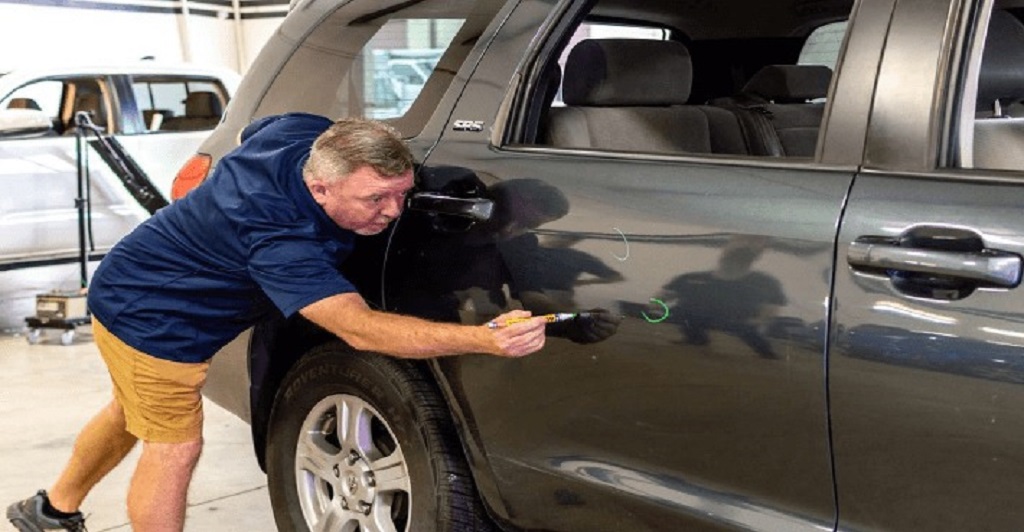
Before diving into insurance claims and repair costs, it’s crucial to thoroughly assess the extent of the hail damage to your vehicle. This involves a careful inspection of all exterior surfaces, including the roof, hood, trunk, doors, fenders, and windows. Documenting the damage with clear photographs and detailed descriptions is essential for a smooth insurance claim process.
The severity of hail damage can vary significantly, ranging from minor dents and dings to severe damage requiring extensive repairs or even part replacements. Understanding the extent of the damage will help you estimate the potential repair costs and determine the best course of action.
Understanding Your Insurance Coverage
Your auto insurance policy is your safety net when it comes to hail damage repair. However, the extent of coverage and the claims process can vary depending on your specific policy and insurance provider. It’s crucial to review your policy documents carefully or contact your insurance agent to understand the following:
- Comprehensive Coverage: Hail damage is typically covered under comprehensive coverage, which is an optional coverage that protects your vehicle from damage caused by events other than a collision, such as theft, vandalism, fire, and natural disasters.
- Deductible: Your deductible is the amount you’ll have to pay out-of-pocket before your insurance coverage kicks in. Deductibles for comprehensive coverage can vary, so it’s important to know your specific amount.
- Claim Process: Familiarize yourself with your insurance company’s claim filing process, including the required documentation, timelines, and preferred repair shops.
Factors Influencing Hail Damage Repair Costs
The cost of repairing hail damage can vary significantly depending on several factors, including:
- Severity of Damage: Minor dents and dings may be repaired using paintless dent repair (PDR) techniques, which are generally less expensive than traditional bodywork. Severe damage requiring part replacements or extensive bodywork will naturally cost more.
- Vehicle Type and Size: The make and model of your vehicle can influence repair costs. Luxury vehicles or those with complex body panels may require specialized repairs and parts, leading to higher costs.
- Repair Method: The chosen repair method can also affect the cost. PDR is generally less expensive than traditional bodywork, but it may not be suitable for all types of damage.
- Labor Rates: Labor rates for auto repair can vary depending on your location and the expertise of the technicians.
- Parts Availability: If your vehicle requires replacement parts, their availability and cost can impact the overall repair expenses.
Estimating Hail Damage Repair Costs
While it’s challenging to provide an exact estimate without a professional assessment, here’s a general idea of potential costs based on the severity of damage:
- Minor Dents and Dings (PDR): $500 – $1,500
- Moderate Damage (PDR and Minor Bodywork): $1,500 – $5,000
- Severe Damage (Extensive Bodywork and Part Replacements): $5,000 – $10,000+
It’s important to note that these are just estimates, and the actual cost may vary depending on the factors mentioned earlier. Obtaining multiple quotes from reputable repair shops is recommended to get a more accurate idea of the expenses involved.
Working with Your Insurance Company
Once you’ve assessed the damage and understand your insurance coverage, it’s time to file a claim with your insurance company. Here’s a general outline of the process:
- Contact Your Insurance Company: Report the hail damage to your insurance company as soon as possible. Provide them with all necessary information, including the date and location of the hailstorm, a description of the damage, and any supporting documentation like photos and videos.
- Schedule an Inspection: Your insurance company will likely schedule an inspection with an adjuster to assess the damage and estimate the repair costs.
- Review the Estimate: Once the adjuster completes the inspection, you’ll receive an estimate for the repairs. Review the estimate carefully and compare it with quotes from other repair shops.
- Choose a Repair Shop: You can choose your preferred repair shop, but it’s often advisable to work with a shop recommended by your insurance company.
- Authorize Repairs: Once you’ve chosen a repair shop and agreed on the estimate, authorize the repairs to begin.
- Pay Your Deductible: You’ll be responsible for paying your deductible to the repair shop before the repairs commence.
- Final Inspection: Once the repairs are complete, your insurance company may conduct a final inspection to ensure the work meets their standards.
- Receive Your Repaired Vehicle: After the final inspection and any necessary adjustments, you can pick up your repaired vehicle from the shop.
Read More Also: Shifting Gears: The Ultimate Guide to Buying an Electric Vehicle
Tips for a Smooth Insurance Claim Process
- Document Everything: Take clear photos and videos of the hail damage before and after the repairs. Keep records of all communication with your insurance company and repair shop.
- Be Prompt: Report the damage to your insurance company as soon as possible to avoid any delays in the claims process.
- Ask Questions: Don’t hesitate to ask your insurance agent or adjuster any questions you may have about the claims process, coverage, or repair costs.
- Compare Quotes: Get multiple quotes from reputable repair shops to ensure you’re getting a fair price for the repairs.
- Be Patient: The insurance claim and repair process can take time, so be patient and stay organized throughout the process.
Read More Also: The Cost of Vanquishing Vehicular Scratches
Frequently Asked Questions (FAQs)
-
Does car insurance cover hail damage?
Yes, hail damage is typically covered under comprehensive coverage, which is an optional coverage that protects your vehicle from damage caused by events other than a collision.
-
Will my insurance rates go up after a hail damage claim?
It depends on your insurance company and your individual circumstances. While a hail damage claim may result in a rate increase, it’s not always the case. Factors like your driving history, claims history, and the severity of the damage can influence your insurance rates.
-
Can I choose my own repair shop for hail damage repair?
Yes, you can choose your preferred repair shop, but it’s often advisable to work with a shop recommended by your insurance company. They may have established relationships with certain shops and can ensure the repairs meet their standards.
-
What is paintless dent repair (PDR)?
PDR is a technique used to repair minor dents and dings without the need for traditional bodywork or repainting. It involves using specialized tools to massage the dents from the underside of the panel, restoring the vehicle’s original appearance.
-
How long does it take to repair hail damage?
The repair time can vary depending on the severity of the damage and the chosen repair method. Minor repairs using PDR may take a few days, while extensive bodywork and part replacements can take several weeks.
-
What if my car is totaled due to hail damage?
If the cost of repairing the hail damage exceeds the actual cash value of your vehicle, your insurance company may declare it a total loss. In this case, they will pay you the actual cash value of your vehicle minus your deductible.
-
Can I prevent hail damage to my car?
While you can’t completely prevent hail damage, you can take steps to minimize the risk. Parking your car in a garage or covered area during a hailstorm is the best way to protect it. If you’re caught in a hailstorm while driving, try to find cover under an overpass or a sturdy structure.
Conclusion
Dealing with hail damage can be a stressful experience, but understanding the repair costs, insurance coverage, and claims process can help you navigate the situation with confidence. By following the tips outlined in this guide and asking the right questions, you can ensure a smooth and efficient repair process, getting your vehicle back on the road in its pre-damage condition. Remember, your auto insurance policy is your safety net, so review your coverage and contact your insurance agent if you have any questions or concerns.