The Ultimate Garage Door Lubrication Guide: Keep Rollers, Hinges, and Pulleys Running Quietly
Picture this: You’re rushing to work on a quiet Monday morning. You press the garage door opener button and suddenly your peaceful neighborhood erupts with the sound of metal grinding against metal. Your garage door sounds like a freight train derailing in slow motion. The neighbors peek through their curtains, and you cringe with embarrassment.
This scenario happens to millions of homeowners every year. However, it’s completely preventable with proper maintenance. A well-maintained garage door operates whisper-quiet and lasts decades longer than neglected ones. Additionally, regular lubrication prevents costly repairs and ensures your family’s safety. Therefore, learning the proper garage door lubrication techniques is one of the smartest investments you can make in your home’s functionality and your peace of mind.
Understanding Your Garage Door’s Moving Components
Your garage door system contains numerous moving parts that work together like a symphony orchestra. Each component plays a crucial role in smooth operation. The rollers guide your door up and down the tracks, while hinges connect the door panels and allow them to bend. Additionally, pulleys and cables work with springs to lift and lower the heavy door safely.
These components connect the individual panels of your garage door, enabling them to flex and move as a single unit. The springs bear most of your door’s weight, whether they’re torsion springs above the door or extension springs along the sides. Meanwhile, the opener’s chain, belt, or screw drive system provides the power to operate everything smoothly. Understanding these parts helps you maintain them properly and recognize when something needs attention.
Essential Tools and Materials for Proper Lubrication
Choosing the right lubricant makes all the difference in your garage door’s performance and longevity. Silicone-based sprays and white lithium grease provide excellent lubrication, reduce friction, and protect against corrosion. These products penetrate deep into metal components and create a protective barrier against moisture and debris.
However, avoid common mistakes that many homeowners make. WD-40 is not suitable for long-term lubrication because it’s designed as a penetrating oil and solvent, not a lubricant. Similarly, household oils attract dust and dirt, creating a gummy mess that actually increases noise and wear. Therefore, invest in quality garage door-specific lubricants for the best results.
You’ll need these essential tools for the job:
- Silicone spray lubricant or white lithium grease
- Clean rags or paper towels
- Step ladder for safe access
- Flashlight or headlamp for visibility
- Safety glasses to protect your eyes
- Work gloves for better grip and protection
Step-by-Step Lubrication Process for Rollers and Tracks
Start your lubrication process by cleaning the tracks with a damp cloth to remove dirt and debris. Never lubricate the tracks themselves, as this attracts more dirt and can cause the door to slip. Instead, focus on the rollers that move within these tracks. Additionally, disconnect the garage door opener and manually test the door’s balance before beginning work.
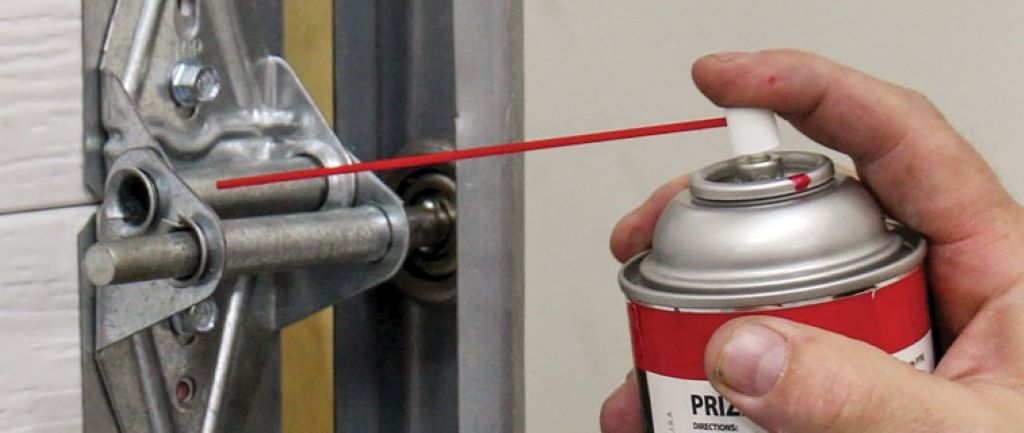
Apply lubricant directly to each roller’s bearing and pivot points. Steel rollers need more frequent attention than nylon rollers, which are naturally quieter but still benefit from lubrication. Work the door up and down several times to distribute the lubricant evenly. Therefore, you’ll notice an immediate reduction in noise and smoother operation.
Pay special attention to the roller stems where they connect to the door brackets. These connection points experience significant stress and wear. However, be careful not to over-lubricate, as excess lubricant drips onto the floor and attracts dirt. A light, even coating provides optimal protection and performance.
Maintaining Hinges for Silent Door Operation
Hinges deserve special attention because they experience constant flexing as your door opens and closes. Apply lubricant directly to the hinge pins to keep them rotating freely and silently. Each hinge has multiple lubrication points, including the pin, bushings, and pivot areas.
Start at the bottom hinges and work your way up systematically. The bottom hinges typically experience more wear due to the door’s weight and moisture from the concrete floor. Additionally, spray lubricant into the hinge pin holes from both sides to ensure complete coverage. Wipe away excess lubricant to prevent dirt accumulation.
Test each hinge individually by gently manipulating that section of the door. Properly lubricated hinges move smoothly without binding or squeaking. However, if you notice excessive play or looseness in any hinge, it may need replacement rather than just lubrication. Therefore, regular inspection during lubrication helps catch problems early.
Pulley System Lubrication and Cable Maintenance
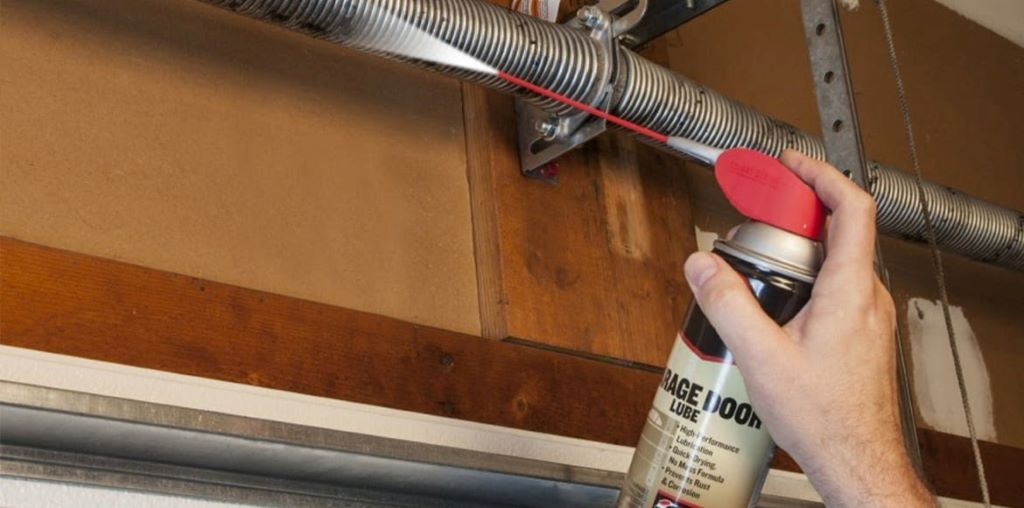
The pulley system requires careful attention because it handles tremendous stress during door operation. Extension spring pulleys bear your door’s full weight and experience constant tension. Additionally, these components operate in challenging conditions with temperature fluctuations and moisture exposure.
Apply lubricant to the pulley bearings and axles, but avoid getting lubricant on the cables themselves. Lubricated cables can slip and create safety hazards. Instead, focus on the metal bearing surfaces where the pulleys rotate. However, inspect cables for fraying, rust, or broken strands during this process.
Torsion spring systems use different pulley arrangements, typically located at the door’s top center. These pulleys guide the lift cables and require the same careful lubrication of bearing surfaces. Therefore, always work with the door in the closed position to minimize spring tension and improve safety.
Safety reminder: Never attempt to adjust or lubricate torsion springs yourself. These components store dangerous amounts of energy and should only be serviced by trained professionals. Additionally, if you notice any cable damage or unusual pulley wear, contact a garage door technician immediately.
Creating an Effective Maintenance Schedule
You should lubricate your garage door about twice a year, ideally every six months to keep everything moving smoothly. However, your specific schedule depends on several factors including climate, usage frequency, and environmental conditions. Additionally, doors in coastal areas or extreme weather conditions may need quarterly attention.
Create a maintenance calendar that aligns with seasonal changes. Spring and fall lubrication coincides with daylight saving time changes, making it easy to remember. Additionally, these seasons offer moderate temperatures ideal for outdoor maintenance work. Therefore, mark your calendar and stick to the schedule for optimal results.
If you live in an area with major temperature fluctuations or lots of wind and dust, your door may need to be lubricated more often. Similarly, families who use their garage doors multiple times daily should increase maintenance frequency. However, over-lubrication can be as problematic as under-lubrication, so find the right balance for your situation.
Key maintenance schedule factors:
- Standard homes: Every 6 months
- High-usage doors: Every 3-4 months
- Harsh climates: Every 3-4 months
- Coastal locations: Every 3-4 months
- New installations: Monthly for first year
Common Lubrication Mistakes and How to Avoid Them
Many homeowners make costly mistakes during garage door lubrication that actually worsen performance. The most common error involves using the wrong lubricant type. Avoid other lubricants such as oil, grease, or spray lithium grease as they don’t penetrate as well and tend to pick up dust and grit. Additionally, these products create sticky buildups that attract more debris over time.
Over-lubrication ranks as another frequent mistake that creates more problems than it solves. Excess lubricant drips onto floors, attracts dirt, and can even interfere with safety sensors. However, under-lubrication allows increased friction and wear that shortens component life. Therefore, aim for light, even coverage rather than heavy saturation.
Never lubricate garage door tracks, as this common misconception causes doors to slip and bind. The tracks should remain clean and dry to provide proper guidance for the rollers. Additionally, avoid lubricating weather seals, as this breaks down the rubber and reduces their effectiveness. Instead, clean seals with mild soap and water only.
Signs of improper lubrication:
- Increased noise levels
- Sticky or binding door movement
- Visible dirt accumulation
- Lubricant dripping on floor
- Irregular door operation
Troubleshooting Persistent Noise Issues
Sometimes proper lubrication doesn’t completely eliminate garage door noise, indicating other underlying issues. Worn rollers often cause persistent grinding or squealing sounds even after lubrication. Steel rollers typically last 10-15 years, while nylon rollers can last much longer but may still wear unevenly. Additionally, bent or damaged tracks can cause ongoing noise problems despite proper maintenance.
Apply a silicone-based lubricant to hinges, rollers, tracks, and springs every 6 months to reduce friction and noise. However, if noise persists after lubrication, inspect components for visible damage or excessive wear. Loose hardware can also create rattling and vibration that lubrication won’t fix. Therefore, tighten all bolts and screws as part of your maintenance routine.
Listen carefully to identify noise sources during door operation. Grinding sounds typically indicate worn rollers or damaged tracks. Squealing often comes from dry hinges or springs. Additionally, rattling usually means loose hardware or worn weather seals. Each type of noise points to specific maintenance needs beyond basic lubrication.
Professional help may be necessary for persistent problems involving springs, cables, or structural components. At least 1,600 injuries occur during repair and maintenance activities annually, with many involving homeowners attempting repairs beyond their skill level. Therefore, recognize your limits and call professionals for complex issues.
Seasonal Maintenance Considerations and Climate Factors
Different seasons present unique challenges for garage door maintenance and lubrication schedules. Winter’s cold temperatures can thicken lubricants and make metal components more brittle. Additionally, salt from road treatments can accelerate corrosion on exposed parts. Therefore, winter preparation should include thorough cleaning and fresh lubrication before temperatures drop.
Spring brings temperature swings that expand and contract metal components, potentially loosening hardware and affecting lubrication distribution. However, spring also offers ideal weather conditions for comprehensive maintenance tasks. Take advantage of moderate temperatures to perform thorough inspections and address any winter damage.
Summer heat can thin lubricants and accelerate evaporation, potentially leaving components under-protected. Additionally, increased air conditioning use often means more frequent garage door operation as families move between climate-controlled spaces. Therefore, monitor lubrication levels more closely during peak summer months.
Fall maintenance prepares your system for winter’s challenges while addressing summer wear. This season offers another opportunity for comprehensive lubrication and inspection. Additionally, fall maintenance helps identify components that may need replacement before winter weather makes repairs more difficult.
Climate-specific considerations:
- Humid areas: Use corrosion-resistant lubricants more frequently
- Desert climates: Focus on dust protection and more frequent cleaning
- Coastal regions: Increase lubrication frequency due to salt exposure
- Cold climates: Use low-temperature lubricants and check weather seals
- High-wind areas: Inspect and lubricate more frequently
Professional Maintenance vs. DIY Approach
While homeowners can safely perform basic lubrication tasks, certain maintenance activities require professional expertise. DIY lubrication saves money and helps you understand your garage door system better. Additionally, regular self-maintenance allows early detection of potential problems before they become expensive repairs. Therefore, learning proper techniques empowers you to maintain your investment effectively.
However, professional maintenance provides comprehensive system evaluation beyond basic lubrication. Trained technicians can identify worn springs, misaligned tracks, and electrical issues that untrained eyes might miss. Additionally, professionals have specialized tools and replacement parts readily available for immediate repairs.
Consider professional service annually even if you perform regular DIY maintenance. This combination approach maximizes your garage door’s lifespan while maintaining safety standards. However, never attempt spring adjustments, cable repairs, or electrical work yourself. These tasks involve significant safety risks and require specialized training.
The cost-benefit analysis clearly favors DIY lubrication combined with annual professional inspections. Basic maintenance supplies cost less than one service call, while preventing major repairs that could cost thousands. Additionally, well-maintained garage doors add value to your home and provide reliable daily service.
Long-term Benefits and Cost Savings
Proper garage door lubrication delivers impressive long-term benefits that far exceed the minimal time and cost investment required. Well-maintained doors typically last 15-20 years or more, compared to 10-12 years for neglected systems. Additionally, regular lubrication prevents premature wear that leads to expensive component replacements.
The immediate benefits include quieter operation that maintains neighborhood peace and prevents embarrassing situations. However, the long-term advantages extend far beyond noise reduction. Properly lubricated components experience less friction, reducing energy consumption from your garage door opener. Therefore, you’ll notice lower electricity bills and extended opener lifespan.
Preventive maintenance also enhances your family’s safety by ensuring reliable door operation. Sudden failures can trap cars inside garages or create security vulnerabilities. Additionally, well-maintained doors provide better weather protection and insulation, contributing to home energy efficiency.
Calculate the financial benefits over your door’s lifetime. A basic lubrication kit costs under $20 and provides materials for multiple maintenance sessions. Compare this to replacement rollers at $50-100, new springs at $200-400, or complete door replacement at $1,000-3,000. Therefore, the return on maintenance investment exceeds 1,000% over a door’s typical lifespan.
Investment comparison:
- Annual maintenance cost: $30-50 for materials and time
- Professional tune-up: $100-150 annually
- Major component replacement: $200-800 per incident
- Complete door replacement: $1,000-3,000
- Emergency repair calls: $150-300 per visit
Conclusion
Mastering proper garage door lubrication techniques transforms your daily routine from noisy disruptions to smooth, silent operation. This comprehensive guide provides everything needed to maintain rollers, hinges, and pulleys for optimal performance and longevity. Additionally, regular maintenance prevents costly repairs while ensuring your family’s safety and convenience.
The investment in proper lubrication pays dividends through extended component life, reduced energy costs, and maintained property values. However, the immediate satisfaction of a quietly operating garage door makes the effort worthwhile from day one. Therefore, implement these techniques consistently and enjoy years of reliable, peaceful garage door operation.
Remember that garage door lubrication represents just one aspect of comprehensive home maintenance, but it’s among the most cost-effective improvements you can make. Start your maintenance routine today and experience the difference proper care makes in your daily life.
Frequently Asked Questions
What type of lubricant should I use on my garage door components?
Use silicone-based spray lubricants or white lithium grease specifically designed for garage doors. These products provide long-lasting protection without attracting dust and debris like household oils or WD-40.
How often should I lubricate my garage door parts?
Most garage doors need lubrication every six months. However, doors in harsh climates, coastal areas, or high-usage situations may require quarterly maintenance for optimal performance.
Can I lubricate my garage door tracks?
No, never lubricate the tracks themselves. Clean tracks with a damp cloth only, as lubricated tracks cause doors to slip and bind. Focus lubrication efforts on rollers, hinges, and moving hardware instead.
What garage door components should I never attempt to lubricate myself?
Never attempt to lubricate or adjust torsion springs, as they store dangerous amounts of energy. Additionally, avoid lubricating cables, weather seals, or electrical components. These require professional attention for safety reasons.
How do I know if my garage door needs more than just lubrication?
Persistent noise after proper lubrication, visible component wear, loose hardware, or irregular door movement indicate problems beyond basic maintenance. Consider professional inspection if lubrication doesn’t resolve performance issues.
Read More:
Carriage Doors vs. Traditional Garage Doors: A Design Perspective for Architects and Homeowners
How to Improve Fuel Efficiency in Older Cars: Expert Tips for Maximum Savings