How to Achieve Mirror Gloss Finish With Automobile Polishing Pads
A mirror gloss finish is the dream of every car enthusiast. It makes your vehicle look like it just rolled off a showroom floor. However, achieving that deep, reflective shine takes more than just effort. It requires the right pads, the right products, and the right technique. This guide will walk you through everything you need to know about using automobile polishing pads to get that stunning mirror finish.
Understanding Automobile Polishing Pads
Before you start polishing, you need to understand your tools. Polishing pads come in several types, and each one serves a different purpose. Choosing the wrong pad can damage your paint instead of improving it. Therefore, taking time to learn the basics is essential.
Types of Polishing Pads
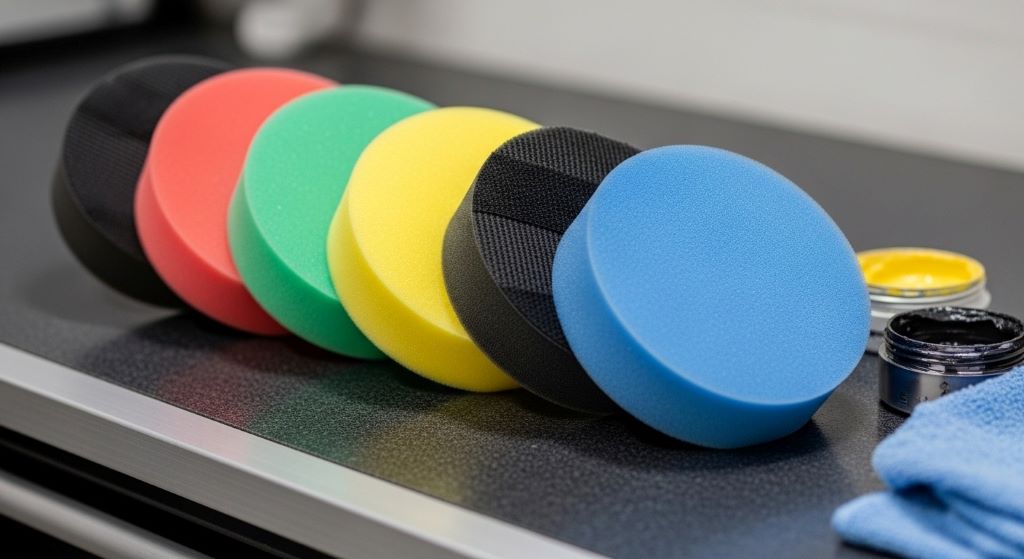
There are three main types of polishing pads you will encounter:
- Cutting pads are the most aggressive. They remove deep scratches, heavy oxidation, and paint defects. Use them when the paint surface has significant damage.
- Polishing pads are medium-grade. They refine the surface after cutting and remove swirl marks. They are ideal for the main polishing stage.
- Finishing pads are the softest. They apply glaze or final polish for a high-gloss result. These pads create the mirror-like shine you are after.
Pad Materials Matter
Polishing pads are typically made from foam, microfiber, or wool. Foam pads are the most popular for mirror finishes. They provide consistent pressure and absorb product evenly. Microfiber pads cut faster and work well on hard paints. Wool pads are very aggressive and best left for heavy correction work. For a mirror gloss finish, foam finishing pads are your best choice.
Preparing Your Vehicle Before Polishing
Preparation is the most important step in the polishing process. Skipping it will ruin your results. Additionally, a poorly prepared surface can trap dirt under the pad and create new scratches. You should never rush this stage.
Wash and Decontaminate the Paint
Start with a thorough two-bucket wash to remove all surface dirt. After washing, use an iron remover spray to dissolve embedded metal particles. Then follow up with a clay bar treatment. The clay bar removes bonded contaminants that washing cannot reach. When you run your fingers across the paint and it feels smooth like glass, you are ready to move on.
Tape Off Sensitive Areas
Use masking tape to cover rubber seals, plastic trim, and emblems. Polish can stain these surfaces and leave a white residue. Taking a few extra minutes to tape them off will save you a lot of cleaning time later. Work in a shaded area or indoors if possible. Direct sunlight causes polish to dry too fast, which makes it harder to remove and can reduce the shine.
The Step-by-Step Polishing Process
Now that your car is clean and prepped, it is time to polish. Follow these steps carefully to achieve the best possible mirror gloss finish.
Step 1 — Paint Correction With a Cutting Pad
If your paint has visible scratches or heavy swirl marks, start with a cutting compound and a cutting pad. Apply a small amount of compound to the pad. Set your dual-action or rotary polisher to a low speed and spread the product across a two-foot by two-foot section. Then increase the speed and work the compound in overlapping passes. Use slow, deliberate movements. Keep the pad flat against the surface at all times. Work until the compound becomes clear, then wipe it off with a clean microfiber towel.
Step 2 — Refine the Surface With a Polishing Pad
After the cutting stage, switch to a polishing pad and a finishing polish. This step removes the micro-scratches left by the cutting compound. Apply three or four pea-sized drops of polish to the pad. Work in the same two-foot by two-foot sections. Use medium speed on your machine and keep consistent pressure. The surface should start to look noticeably clearer after this stage. Wipe away the residue with a soft microfiber cloth.
Step 3 — Achieve the Mirror Finish With a Finishing Pad
This is the most satisfying step. Swap to a soft finishing pad and a high-gloss finishing polish or glaze. Apply a small amount of product and work at low to medium speed. The goal is to maximize shine, not remove paint. Use very light pressure and long, slow passes. When you remove the product with a clean microfiber towel, you should see a deep, reflective gloss. Additionally, look at your reflection in the panel. If you can see a clear, undistorted image of yourself, you have achieved the mirror effect.
Choosing the Right Polish for Each Stage
Matching the right polish to the right pad is just as important as the technique itself. Heavy cutting compounds should only pair with cutting pads. Using them with a soft finishing pad will wear the pad out quickly and give poor results. Medium polishes work well with foam polishing pads. For the final stage, choose a fine finishing polish or a glaze specifically designed for high-gloss results.
Consider the hardness of your paint as well. German and Japanese car paints tend to be softer. Therefore, they respond well to light polishes and finishing pads. American and European luxury brands often have harder clear coats. They may need more aggressive cutting before the finishing stage. Always test in a small hidden area first, such as the door jamb, before working on the full panel.
Machine vs. Hand Polishing
You can achieve a decent shine by hand, but a machine polisher will always give you a better result. Hand polishing is fine for maintenance polishing and applying finishing glazes. However, for true paint correction and a deep mirror gloss, a dual-action polisher is strongly recommended. Dual-action machines are safe for beginners because they move in a random orbit pattern. This reduces the risk of burning the paint. Rotary polishers are more powerful and faster, but they require experience to use safely.
When using any machine polisher, always keep it moving. Holding the pad in one spot for too long can generate heat and damage the clear coat. Use overlapping passes, move at a steady pace, and let the machine do the work for you.
Caring for Your Polishing Pads
Your pads will only perform well if you maintain them properly. A clogged or dirty pad will not spread product evenly, and it will reduce your gloss results. During polishing, use a pad cleaning brush or a stream of water to clear product buildup while the machine is running at low speed. After every session, wash your foam pads by hand with warm water and a mild cleaner. Rinse thoroughly and let them air dry face-down. Never put them in a dryer, as heat deforms the foam and ruins the pad.
Replace your pads when they show signs of tearing, uneven texture, or permanent staining. A worn pad is ineffective and can scratch your paint. Good-quality pads are an investment worth making. They last through many sessions if cleaned and stored correctly.
Protecting the Mirror Finish After Polishing
A mirror gloss finish will not last long without protection. After polishing, always apply a paint sealant or carnauba wax to lock in the shine. Ceramic coatings are an excellent long-term option. They bond to the paint surface and protect it from UV rays, water spots, and light scratches for years. However, they do require more effort to apply correctly.
For quick protection, a spray sealant applied after polishing is a great choice. It adds a layer of defence and enhances the gloss. After that, regular maintenance washes with a pH-neutral soap will keep your mirror finish looking sharp for longer. Avoid automatic car washes, as the brushes can introduce swirl marks and ruin all your hard work.
Conclusion
Achieving a mirror gloss finish with automobile polishing pads is a rewarding process. It takes patience, the right tools, and a step-by-step approach. Start with a clean, decontaminated surface. Use the correct pad and polish combination at each stage. Work carefully with a machine polisher, and always protect the finished result with a quality wax or sealant.
Additionally, taking care of your pads ensures they perform at their best every time. With practice, you will get faster and more consistent results. The deep, reflective shine you achieve is well worth the effort. Your vehicle will look its absolute best, and you will have the skills to maintain that finish for the long term.
Frequently Asked Questions
1. What is the best polishing pad for a mirror finish?
A soft foam finishing pad is the best choice for achieving a mirror gloss finish. It applies fine polish or glaze evenly and maximizes surface reflection. Pair it with a high-quality finishing polish for the best results.
2. Can I achieve a mirror finish by hand without a machine polisher?
Yes, you can apply a finishing glaze by hand using a foam applicator pad. However, for full paint correction and a deep mirror effect, a dual-action machine polisher will give far superior and more consistent results.
3. How many polishing stages do I need for a mirror gloss finish?
Most vehicles need at least two stages: a polishing stage and a finishing stage. If the paint has heavy scratches or oxidation, add a cutting stage at the beginning. Using a three-stage process gives the deepest, most refined finish.
4. How often should I polish my car to maintain a mirror finish?
Full machine polishing once or twice a year is usually enough. Over-polishing removes clear coat over time. Between sessions, use a quick detailer or spray wax to refresh the shine after each wash.
5. Does the colour of my car affect the polishing process?
Yes, it does. Dark-coloured cars such as black, navy, and dark grey show swirl marks much more easily than light colours. Therefore, they require more careful polishing technique and finer finishing products to achieve a flawless mirror gloss result.
Related Topics:
Can Really Toss Car Floor Mats in the Washing Machine?
The Honda Hype: Do They Live Up to the Low-Maintenance Reputation?