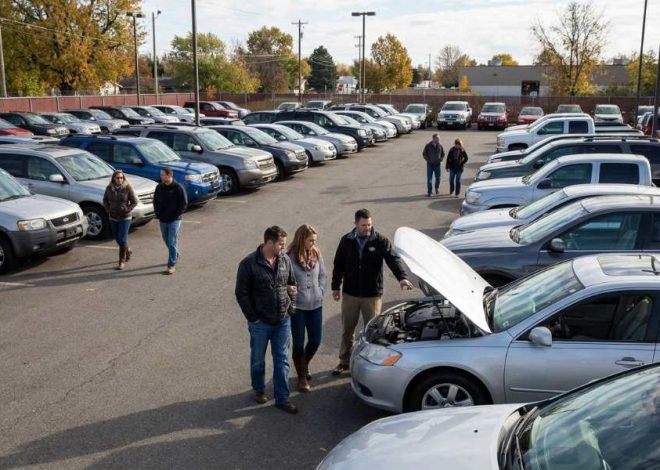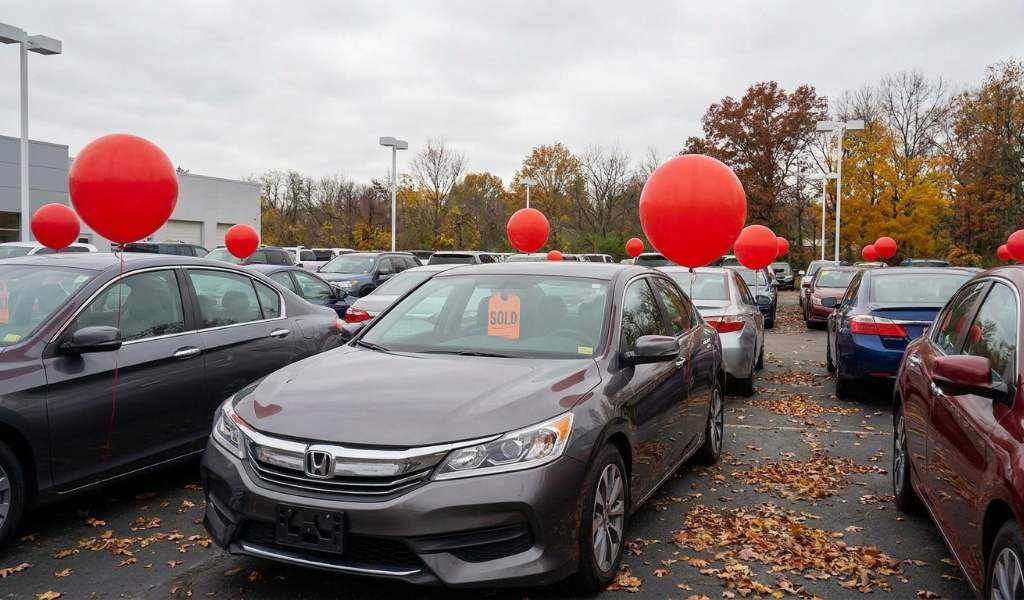
Best Time to Buy a Car: When Prices Drop and When to Wait
The best time to buy a car is December, with late October and November close behind. Dealers rush to hit year-end targets and clear older stock then. A weekday morning near month-end adds a little more leverage. Car prices do not move at random. They rise and fall with sales targets, model-year launches, holiday promotions, and loan rates. Once you learn those rhythms, you can save real money without any tricks. This guide covers seasons, weekdays, interest rates, and your own budget. You will see what works, what only sounds good in ads, and where your situation wins. Treat it as a plan, not a promise. Markets shift, so a smart buyer stays flexible.
When Deals Tend to Appear
Think of the calendar as a map with a few reliable hot spots. Each one rewards a slightly different kind of buyer. The list below shows where savings tend to cluster.
- December: Year-end quotas, bonus programs, and aging stock create the deepest discounts.
- October and November: New models arrive, so outgoing ones get marked down.
- The last week of any month: Sales teams chase monthly targets, so offers often improve.
- Weekday mornings: Showrooms stay quiet, so you get full attention and faster answers.
- Major holiday weekends: Manufacturer incentives often peak, though crowds grow too.
- January through March: Demand cools after the holidays, which helps patient shoppers. No single window wins every year. Still, stacking two or three of them gives you the strongest position. A weekday morning in late December, for example, beats a packed Saturday in May. Timing also never replaces research. A well-prepared buyer in a slow month can still beat a rushed buyer in the best month. Use the calendar to add leverage, not to skip your homework.

Why Timing Changes What You Pay
A sticker price is not a fixed number. It reflects who needs a sale, how much stock sits on the lot, and what factories fund. Timing works because those pressures shift through the year.
Dealers Sell on a Clock
Every dealership runs on monthly, quarterly, and yearly targets. Managers earn bonuses when the store hits those numbers. As a result, a deal that feels impossible on the 5th can suddenly work on the 29th. Targets also explain why dealers often care more about volume than profit per car. One extra sale can unlock a larger factory payout. That payout can outweigh the small margin you negotiate away.
Manufacturers Set the Bigger Incentives
Automakers fund cash rebates, low finance rates, and lease deals. Dealers share part of that money with you, but only when it helps them sell. Therefore, you should always ask which incentives apply to your exact trim. Some offers run for a set period, while others depend on regional stock. Because of that, two shoppers in different states may see different prices on the same car. Check the manufacturer’s regional offers before you visit.
Supply and Demand Shape the Rest
Even the best calendar cannot beat a tight market. When inventory runs low, dealers hold firm and discounts shrink. When lots fill up, they compete harder for your business. Stock levels move with factory output, shipping speed, and shopper interest. Meanwhile, economic mood and loan costs push demand up or down. Watch local inventory for a few weeks before you commit.
Your Leverage Peaks When Their Pressure Peaks
Think of every sale as a negotiation between two clocks. The dealer has a deadline, and you have a budget. Your best result comes when their deadline arrives before yours. That idea explains most timing advice in this guide. Year-end, month-end, and model-year changes all raise the dealer’s urgency. Your job is to be ready when that urgency appears.
How a Dealership Really Earns Its Money
A dealership makes money from more than the car itself. Finance fees, service visits, trade-ins, and factory bonuses all add to the total. That mix shapes how much room a salesperson has to move on price. New car margins are often thin, so volume bonuses matter a great deal. Used cars usually carry more profit, which gives dealers extra flexibility. Therefore, a slow month on a used car can yield a bigger discount than you expect. Knowing this helps you stay realistic. Dealers rarely sell at a loss, but they will trade profit for volume at the right moment. Your goal is to shop when that trade makes the most sense for them.
Seasons at a Glance
Seasons give you the widest view of the market. They do not pinpoint the lowest price, but they show which stretch of the year favors you. Use them to decide when to start shopping, not when to sign.
Winter: The Quiet Advantage
Winter brings fewer shoppers and more flexible sellers. Cold weather keeps casual browsers at home, so dealers value every serious visitor. Salespeople also feel the pressure of slow traffic after the holiday rush. December remains the standout, while January and February can still deliver good offers. However, snow and ice can limit your choice of colors and trims. If you want a specific build, start your search early.
Spring: Busy and Less Generous
Spring is a strong season for sellers. Tax refunds put cash in buyers’ hands, and warmer weather draws crowds back to showrooms. Consequently, dealers feel less need to cut prices. Spring still works in one case. A trade-in that sells well in this season may earn you a better value. Just do not expect deep discounts on popular models.
Summer: Mixed Signals
Summer brings holiday sales and the first wave of outgoing model-year cars. Memorial Day, the Fourth of July, and Labor Day all fall in this stretch. Some of those events offer real value, while others rely on loud advertising. Heat and vacations slow showroom traffic in mid-summer. That quiet can help you, especially on weekday visits. Late summer often marks the turning point toward better deals.
Fall: The Sweet Spot Begins
Fall is where the calendar starts to favor buyers. New models reach showrooms, so dealers need space for fresh stock. Older cars then carry bigger discounts and stronger incentives. October offers early savings, and November adds Black Friday promotions. December then caps the season with year-end pushes. If you can wait for this window, you give yourself the best odds.
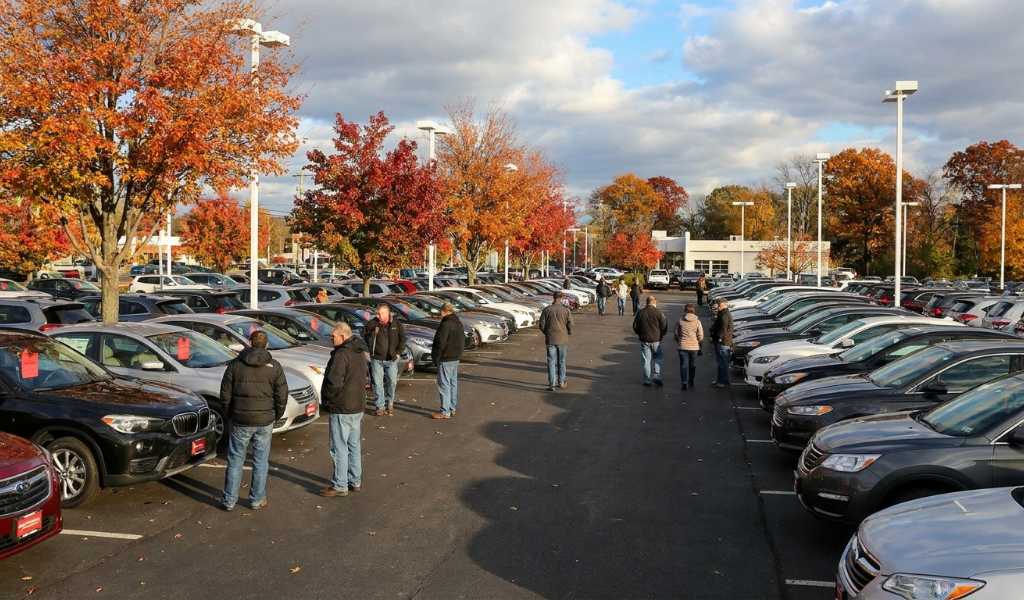
Best Month to Buy a Car
Do you know what the best month is to buy a car? December leads the pack for most shoppers. Year-end goals, holiday incentives, and a slow showroom floor all work in your favor. Still, every month has its own personality, so the list below helps you plan.
- January: Demand drops after the holidays, and leftover year-end stock still sits on lots.
- February: Slow traffic helps, although tax refunds start to lift demand late in the month.
- March: Quarter-end pushes appear, yet spring buyers begin to crowd showrooms.
- April: Refund season keeps demand strong, so expect firmer prices.
- May: Memorial Day offers can help, especially on popular trims.
- June: Quarter-end targets create a short window for sharper offers.
- July: Slow summer traffic helps, and early model-year clearance begins.
- August: Dealers start making room for new arrivals, so outgoing models drop in price.
- September: Clearance deals grow, and Labor Day promotions add pressure.
- October: New models arrive, and older stock gets steeper discounts.
- November: Black Friday offers bring some of the strongest incentives.
- December: Annual targets and tax planning push dealers to cut prices. The weakest stretch tends to be spring and early summer. Demand runs high, and dealers sense it. Even then, a strong incentive or surplus model can create a good deal. Keep one point in mind: the best month depends on what you want. A buyer who needs a popular pickup may face firm prices in any season. In contrast, someone open to last year’s model can win big in September or October.
Best Day and Time to Buy a Car
Day and hour matter less than the month, yet they still shape your experience. A small edge on the day to buy a car makes the whole process calmer. Better yet, it costs you nothing.
Weekdays Beat Weekends
Weekdays win for nearly everyone. Saturday crowds stretch sales staff thin, and negotiations feel rushed. On a Tuesday morning, you can sit down, ask detailed questions, and take your time. Slow days also help managers pay attention to your offer. They have fewer customers to juggle, so they can approve a deal faster. That speed often saves you an hour of waiting.
Mornings and Evenings
Early in the day, managers have more time to review offers. Late in the evening, a salesperson who needs one more sale may move faster. Both windows can work, depending on your style. Avoid the lunch rush and the closing hour if you hate pressure. Tired staff and tired buyers both make weaker choices. A fresh morning visit usually produces the clearest conversation.
Online Shopping Changes the Picture
You can send quote requests at any hour, and many dealers reply within minutes. This approach lets you compare several stores without leaving home. As a result, the day of the week matters even less. Even so, a calm weekday visit still helps when you finalize the numbers. You can inspect the car, confirm the paperwork, and ask last questions. Treat the visit as a final check, not the start of negotiation. Do not overrate the day itself. A good deal on a Saturday beats a bad one on a Wednesday. Treat the day as a small edge, not a rule.
End of Month, Quarter, and Year Pushes
Dealers talk about targets all the time, and you can use that. The pressure rises as a period closes. Each deadline carries a different weight.
Month-End Pressure
Month-end pressure is real, but it works best when paired with the right car. If the dealer sits near its target, you may see a sharp offer on the last day. If the store already missed its goal, discounts may stay modest. Some buyers wait until the final evening, which can backfire. Dealers may already have their numbers, or they may be too busy to bargain. Ask for quotes during the last two weeks instead.
Quarter-End Pushes
Quarter-end pushes carry more weight. Factories review sales by quarter and reward dealers who hit their numbers. That extra reward gives dealers more room to bargain. March, June, September, and December bring these windows. December combines the quarter and the year, so it becomes the strongest of all. Plan your shopping around those dates when you can.
Year-End Brings the Largest Push
Year-end brings the biggest push. December combines annual targets, tax planning, and leftover inventory. Dealers want clean books and open space before the new year. Manufacturers also add extra bonuses during this stretch. Some brands offer special finance rates or lease deals. These programs often disappear on January 2, so act before then.
How to Use These Pushes
Preparation turns pressure into savings. Follow these steps when a deadline nears.
- Ask early: Request quotes in the final two weeks of the period, not on the last evening.
- Compare in writing: Collect offers from three dealers and share the lowest price you receive.
- Stay flexible: Accept a different color or trim if it moves you closer to your target price.
- Keep your trade-in separate: Negotiate the new car price before you discuss your old one. Remember that end of month car deals sound more dramatic than they often feel. The savings come from preparation, not from walking in at closing time. A calm, ready buyer wins more often than a last-minute one.
Holiday Car Sales: Which Ones Deserve Your Time
Holiday car sales mix real incentives with heavy marketing. Some events line up with factory programs, while others only repackage normal discounts. Learn the difference before you rearrange your weekend.
The Holidays That Often Deliver
Black Friday and the days before Christmas rank at the top. Dealers fight for year-end volume, and manufacturers add extra cash. Together, those forces create some of the strongest offers of the year. Labor Day also deserves attention. It arrives as model-year changes begin, so dealers want to move older stock. Memorial Day can help as well, particularly for popular trims.
The Holidays to Treat With Caution
The Fourth of July and Presidents’ Day bring loud ads, yet the offers vary. Some brands add real rebates, while others offer small perks. Always compare the final price, not the size of the banner. Holiday weekends also bring bigger crowds. Long waits can push you toward a rushed decision. If possible, visit on the days just before or after the event.
A Quick Holiday Guide
Use this short list to rank the big events. Each line shows what to expect.
- Presidents’ Day: Modest incentives, with good chances on outgoing winter stock.
- Memorial Day: Solid offers, but crowds and firm prices on hot models.
- Fourth of July: Mixed value, often strong on slower-selling models.
- Labor Day: Strong clearance activity as new models start to arrive.
- Black Friday: Some of the best manufacturer incentives of the year.
- Christmas week: Deep year-end pushes, with fewer shoppers around.
How to Read a Holiday Offer
Look at the fine print first. Many promotions require financing through the manufacturer, a trade-in, or a specific credit score. If you do not qualify, the advertised price may not apply to you. Next, ask for the out-the-door price in writing. That number includes taxes, fees, and add-ons. It lets you compare offers fairly across dealers.
Model Year Clearance Sales: The Smart Way to Save
Automakers release new model year clearance sales on a regular cycle, often starting in late summer. When the new version arrives, the outgoing one becomes harder to sell at full price. Dealers then discount it to free up space. Buying last year’s model can save thousands on the same car. Many outgoing cars differ only slightly from their replacements. A new screen or trim color rarely changes how a car drives. Still, you should check a few details before you buy. Use this list to compare the two versions.
- Safety features: Confirm that the older model keeps the same driver-assist tools.
- Engine and battery changes: Look for upgrades that change range, power, or fuel economy.
- Technology updates: Check screen size, phone connection, and software support.
- Warranty start date: Ask when coverage begins and how long the car sat on the lot.
- Condition: Inspect the paint, tires, and battery, since long-parked cars can show wear. A major redesign may justify paying more for the newer car. Otherwise, the older version often delivers nearly identical value for less money. The warranty usually begins when the car is sold, not when it was built. Resale value deserves a quick thought. A car sold as a prior model year may lose a bit more value on paper. However, the upfront savings often outweigh that small gap.
New, Used, or Electric: Does the Timing Change?
The calendar helps every buyer, but each type of car follows its own pattern. Match your timing to the market you are actually shopping in.
New Cars
New car prices respond to model-year changes, factory incentives, and dealer targets. Late fall and December offer the strongest mix of all three. Outgoing models usually give the best value. New cars also depend on inventory. If your chosen model sits in short supply, discounts shrink. In that case, flexibility on trim or color matters more than the date.
Used Cars
Used car pricing follows a different rhythm. Demand often climbs in spring, when tax refunds arrive. As a result, late fall and winter can offer softer prices. Seasonal preferences matter too. Convertibles cost less in winter, while all-wheel-drive SUVs often cost less in summer. Dealers also see more trade-ins after new car launches, which can widen used selection. The best time to buy a used car depends heavily on local supply. Always compare listings for several weeks before you decide. A vehicle history report and a pre-purchase inspection protect you from costly surprises.
Electric Cars
Electric vehicle pricing moves faster than almost any other category. Technology improves quickly, and manufacturers adjust prices often. The federal tax credit ended in the fall of 2025. Buyers now rely on dealer discounts and local programs. Year-end and model-year transitions still help. Manufacturers often discount older battery versions when new ones arrive. Leasing can also reduce the risk of buying right before a big technology jump. If you want the best time to buy an electric car, check local incentives first. Rules change often, and some programs run out of funds. Confirm every offer before you sign.
Trucks, SUVs, and Sedans
Different body styles follow their own seasonal habits. Pickup trucks and SUVs sell well in fall and winter in snowy regions. Sedans and small cars often sell steadily all year. If your region gets harsh winters, buy an all-wheel-drive vehicle in late spring or summer. Demand falls then, and dealers may bargain more. Convertibles and sports cars work the opposite way, with the best prices in cold months.
Interest Rates, Inventory, and the Wider Market
A low sticker price means little if your loan costs too much. Interest rates change what you pay each month and over the life of the loan. Smart timing looks at both the price and the rate. Consider a simple example. A $35,000 loan at 7 percent over 60 months costs about $693 per month. At 6 percent, the payment drops to about $677. That one point saves roughly $980 over the loan. A strong cash discount can match that. Still, a low rate can beat a bigger-looking discount. Always compare total cost, not just the monthly payment. Special finance offers deserve a closer look as well. Imagine a 0 percent offer on a $35,000 car for 60 months, which costs about $583 monthly. A $2,000 rebate with a 6 percent loan on $33,000 costs about $638 monthly. In that case, the low rate wins by roughly $55 per month. Your own numbers may differ, so run both options through a loan calculator. Do this before you accept either deal. Inventory shapes the market in another way. When supply improves, dealers fight for sales and discounts return. When supply tightens, prices rise and incentives fade. Inventory moves quickly in either direction. Watch these signals before you buy:
- Days on the lot: Cars that sit longer give you more room to negotiate.
- Incentive changes: Larger rebates often signal slow sales.
- Rate movement: Falling rates can improve affordability without changing the price.
- Local competition: More nearby dealers selling the same model means better offers. Do not wait for a perfect market. Rates and prices can both move in ways nobody predicts. A good deal today often beats a hoped-for deal next year.
When Your Situation Beats the Calendar
Timing advice works only if it fits your life. A great December deal means nothing if your current car dies in August. Personal needs often outweigh seasonal patterns.
Your Current Car
If your car needs expensive repairs, buying sooner may save money. Pouring cash into an aging vehicle can cost more than a modest car payment. Compare repair estimates with the cost of a replacement. Trade-in value matters as well. Cars lose value fastest as mileage and age increase. Selling before a big mileage milestone can protect your equity.
Your Credit and Finances
Your credit score affects your rate more than any holiday offer. Check your report a few months before you shop. Fixing errors or paying down balances can lower your interest costs. Get pre-approved by a bank or credit union before you visit a dealer. That step gives you a rate to compare against the dealer’s offer. It also keeps you from feeling pressured.
Your Real Needs
A growing family, a new job, or a long commute can change your timeline. Safety and reliability matter more than saving a few hundred dollars. Buy when your life needs it, then use the calendar to fine-tune the details. If you have time, set a target window. Decide on the car, track prices, and prepare your finances. Then act when a strong offer appears.
When Waiting Pays and When It Costs
Waiting makes sense when your car runs well and the next sweet spot is months away. You can use that time to save a larger down payment. You can also raise your credit score and learn the market. Waiting costs you when repairs, rising rates, or a changing job make your situation less stable. In that case, a decent deal now beats a perfect deal later. Weigh the risk honestly before you decide.
The Best Time to Trade In a Car
Your trade-in follows its own calendar, and it affects the deal you get. A strong trade value can offset a smaller discount on the new car. A weak one can quietly erase a great rebate. Spring often brings the best trade-in values. Tax refunds lift used car demand, so dealers pay more to restock. Fall and winter can bring softer offers, but a year-end deal may still balance the gap. Condition and mileage matter just as much as the season. Crossing a major mileage mark can lower the value fast. Likewise, a car with expiring warranty coverage often loses appeal. Before you visit, get quotes from at least two other sources. Online buyers, used car lots, and local dealers all give different numbers. Bring the highest offer to the table, and let the dealer try to beat it.
The Best Time to Lease a Car
Leasing follows many of the same rhythms, but a few details change. Manufacturers set lease terms, so factory programs matter more than dealer mood. Year-end and model-year changeovers often bring the sharpest lease offers. Ask for the money factor, the residual value, and the total drive-off cost. Those three numbers shape your payment more than any slogan. A low monthly figure can hide a large upfront payment. Lease deals also expire on a fixed date, often the first of the month. Therefore, you should finish your research a week before the deadline. A rushed lease can lock you into terms that you later regret.
Local Conditions That Shift the Calendar
National patterns give you a starting point, but your region adds its own twists. Snowy states see strong demand for all-wheel-drive vehicles in fall. Warm states may see steady demand for convertibles all year. Local competition matters too. A city with many dealers selling the same brand creates natural price pressure. A small town with one dealer gives you less room to bargain. Used car shoppers should also watch for storm damage. After major hurricanes or floods, damaged cars can reach the market through quiet channels. Always run a history report and ask a mechanic for an inspection. Finally, check when new models reach your area. Shipping and regional stock can delay arrivals by several weeks. That delay shifts the best clearance window in your state.
A Sample Year of Smart Car Shopping
A loose plan helps you avoid last-minute panic. The outline below fits a buyer who wants a fall or winter purchase. Adjust it to match your own timeline.
- Late summer: Set your budget, check your credit, and learn which models you like.
- September: Visit dealers for test drives, and note which outgoing models sit on lots.
- October: Request written quotes, and compare incentives across brands.
- November: Watch Black Friday offers, and keep your pre-approval handy.
- Early December: Narrow your list to two or three cars with your best quotes.
- Late December: Close the deal on a weekday morning, once you have your best price. This plan gives you room to say no. If no offer meets your target, you can wait for January or February. Patience works best when you have already done the groundwork.
How to Tell a Good Deal From a Good Story
Even in the best month, a bad offer is still a bad offer. Salespeople often wrap prices in friendly language and flashy deadlines. Your job is to measure the deal with simple numbers. Start with the market price for your exact trim and mileage. Then compare the dealer’s out-the-door price against that figure. A fair deal usually sits at or below the typical local price. Next, look at the loan. A low monthly payment can hide a long term or a high rate. Ask for the total cost, including interest, so you see the full picture. Numbers tell the story better than promises. Here are quick signs of a strong offer:
- Price in writing: The dealer gives a clear out-the-door figure without pressure.
- Fair trade-in value: Your old car receives an offer close to other quotes.
- Clean financing: The rate matches or beats your pre-approval.
- Honest fees: Add-ons are optional, and each one has a clear price. If any piece feels vague, slow down and ask more questions. A good dealer answers them without frustration. A rushed answer often means the deal needs another look.
How to Turn Good Timing Into a Lower Price
Good timing opens the door, but your approach gets you through it. A few habits make every visit stronger. They work in any season.
- Know the fair price: Check market values for the exact trim before you talk numbers.
- Negotiate one thing at a time: Settle the car price, then the trade-in, then financing.
- Ask for the out-the-door figure: Taxes, fees, and add-ons should appear in one number.
- Be willing to walk away: A calm exit often triggers a better offer.
- Skip unneeded extras: Decline add-ons that you did not ask for. Stay polite and direct throughout the process. Dealers respond better to a prepared, friendly buyer than to an angry one. Calm confidence usually earns the best final price.
A Simple Timing Checklist Before You Sign
A clear process turns good timing into real savings. Use this checklist as a quick guide. It keeps emotion out of the decision.
- Set your budget: Decide on a monthly payment and a total price before you shop.
- Check your credit: Review your report and fix errors early.
- Secure pre-approval: Compare your bank’s rate with the dealer’s financing.
- Research the model: Learn the trim, features, and fair market price.
- Track inventory: Watch local listings for a few weeks.
- Compare incentives: Review manufacturer rebates and regional offers.
- Request written quotes: Ask for out-the-door prices from at least three dealers.
- Time your visit: Aim for a weekday morning near month-end or year-end.
- Separate your trade-in: Negotiate that deal after the new car price.
- Read every document: Check fees, add-ons, and loan terms before you sign. Follow these steps in order. Each one builds on the last. When you reach the signing desk, you will already know what a fair deal looks like.
Mistakes Buyers Make While Waiting for the Perfect Deal
Waiting can pay off, but it can also backfire. Some buyers hold out for a better price while ignoring bigger risks. Avoid these common errors.
- Chasing the calendar only: A date cannot fix a poor price or a bad loan.
- Falling into the payment trap: A longer loan lowers the payment but raises the total cost.
- Skipping pre-approval: Without it, you lose leverage on financing.
- Falling for urgency: Phrases like “today only” often hide normal pricing.
- Overlooking fees: Documentation charges and add-ons can erase your savings.
- Waiting too long: A repair bill or a rate jump can cancel any discount you hoped for. Notice the pattern here. Most mistakes come from rushing or from overthinking. A steady, informed approach protects you from both. One more habit helps: keep a simple log of every quote you receive. Write down the price, the date, and the dealer name. That record shows which offers improve as a deadline nears. It also keeps you honest about what you actually saw, and it makes comparison easy.
Final Thoughts: Make Timing Work for You
Timing gives you an edge, but preparation gives you control. December, late fall, and the last week of the month offer strong chances. Even so, the best deal goes to the buyer who knows the numbers and stays calm. Start now by setting your budget and checking your credit. Then track local prices and gather written quotes. When a strong offer appears, you will be ready to act. Do not wait for a perfect moment that may never come. Build your plan today and compare at least three offers. Save this guide for your next dealer visit. Then take one small step this week, such as checking your credit report.
Frequently Asked Questions
What Is the Cheapest Month to Buy a Car?
December is usually the cheapest month because dealers push to meet year-end targets.
Is It Better to Buy a Car at the End of the Month?
Yes, the last week of the month often brings better offers as dealers chase sales goals.
Is Black Friday a Good Time to Buy a Car?
Yes, Black Friday often brings strong manufacturer incentives, but you should still compare the out-the-door price.
Should I Buy Last Year’s Model?
Yes, an outgoing model often saves thousands if the new version’s changes do not matter to you.
Is It Smart to Wait for Lower Interest Rates?
Only if your car runs well, since waiting can cost more than a rate drop saves.