How to Finance a Campervan Conversion Project: Your Ultimate Guide to Hitting the Road
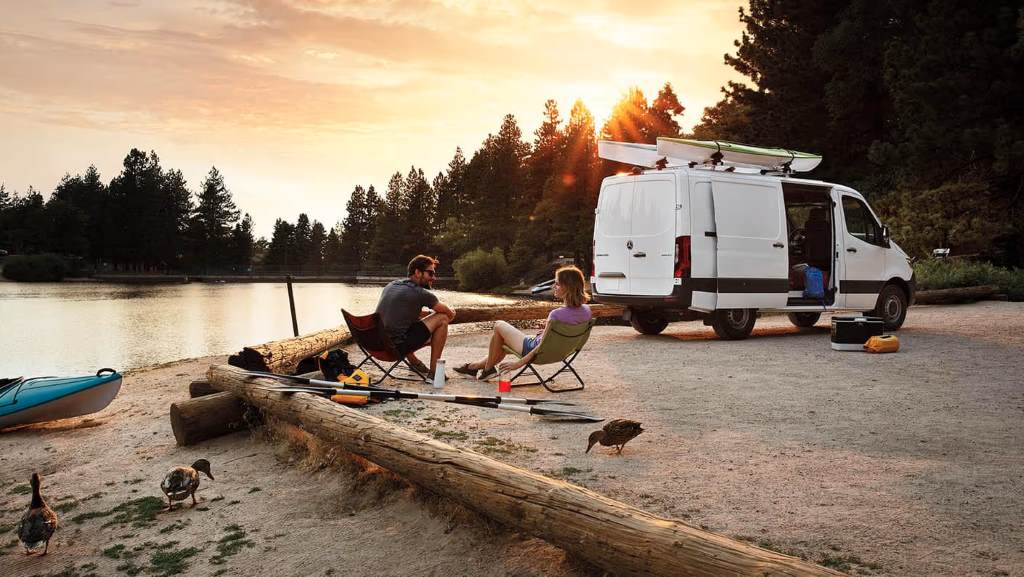
Ever dreamed of hitting the open road in a custom campervan? The freedom of van life calls to many. You can explore New Mexico’s deserts or Laguna Beach’s coastlines in a home on wheels. But campervan conversions aren’t cheap. Costs often range from $20,000 to $200,000, depending on the van and build. Financing a campervan conversion project can feel daunting. Don’t worry—this guide breaks it down. We’ll explore practical lending options, budgeting tips, and strategies to make your dream affordable. According to the Recreational Vehicle Industry Association, RV sales grew 11.2% from 2020 to 2023, showing the rising popularity of van life. Ready to join the movement? Let’s dive into how to finance your campervan conversion project.
Why Financing a Campervan Conversion Makes Sense
Campervan conversions blend adventure with comfort. A well-built van serves as a home, office, or getaway vehicle. Financing spreads out the cost, making it manageable. Monthly payments often cost less than rent in major cities. Quality conversions, like those on a Mercedes-Benz Sprinter, retain strong resale values. Plus, van life eliminates housing costs, offering complete mobility. Financing lets you start now without draining savings. Let’s explore the costs and options to get you on the road.
Understanding Campervan Conversion Costs
Before diving into financing, know the costs. A campervan conversion project has two main expenses: the base van and the conversion itself. Here’s a breakdown:
- Base Van Costs:
- New vans, like a Sprinter Cargo Van, start at $40,000–$60,000.
- Used vans, such as a Peugeot Boxer, can cost $10,000–$30,000.
- Popular models include Noovo Lite, Noovo Plus, and Noovo Pop.
- Conversion Costs:
- Basic conversions start at $20,000 for essentials like beds and storage.
- High-end builds with electrical systems, climate control, and custom cabinetry can hit $100,000+.
- Conversion kits for DIY projects range from $5,000–$15,000.
- Ongoing Expenses:
- Insurance: $1,000–$3,000 annually.
- Maintenance, fuel, and campground fees: $1,000–$3,000 monthly, per RV Blogger.
Total costs for a fully converted van can range from $50,000 to $200,000. Budgeting for both one-time and recurring costs ensures you apply for the right loan amount.
Financing Options for Your Campervan Conversion
Several lending options can fund your van conversion project. Each has pros and cons. Here’s a detailed look at the most popular choices:
1. RV Loans: Tailored for Campervans
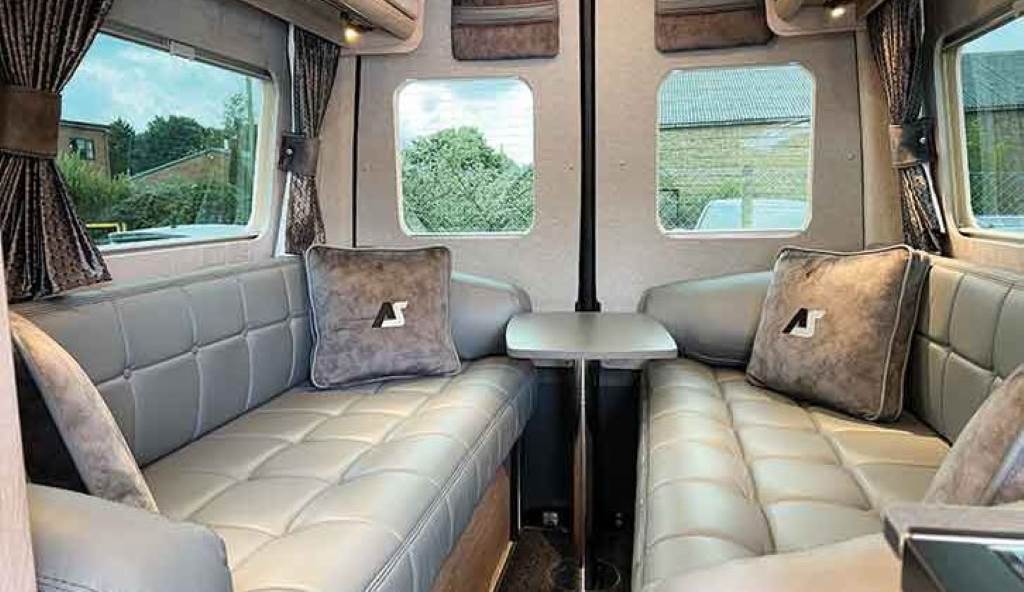
RV loans are designed for recreational vehicles, including Class B RVs like campervans. They’re ideal for professional conversions meeting habitability requirements (sleeping, cooking, bathroom facilities).
- Pros:
- Long loan terms (5–20 years) mean lower monthly payments.
- Competitive interest rates, starting at 7.99% for qualified buyers.
- Can cover both van and conversion costs.
- Cons:
- Requires 10–20% down payment.
- DIY conversions often don’t qualify.
- Interest rates vary (6–15%) based on credit scores.
- Example: A $100,000 RV loan at 7.75% APR over 20 years has monthly payments of about $1,200. Compare that to average rent of $2,105, per Bankrate.
- Lenders to Consider:
- LightStream: Offers competitive rates for Class B RVs.
- IntoRV: Quick approval and responsive service.
- USAA: Great for members with favorable terms.
Tip: Work with approved outfitters like Storyteller Overland or Boho Camper Vans. They bundle van and conversion costs, simplifying RV loan approval.
2. Personal Loans: Flexible but Costly
Personal loans are unsecured, meaning no collateral is needed. They’re perfect for DIY conversions or partial builds.
- Pros:
- Flexible use for conversion kits, electrical systems, or upgrades.
- Loan amounts from $1,000–$50,000.
- Faster approval than secured loans.
- Cons:
- Higher interest rates (5–36%) due to no collateral.
- Shorter terms (2–7 years) increase monthly payments.
- Stricter credit requirements.
- Example: A $30,000 personal loan at 10% APR over 5 years has monthly payments of $630.
- Lenders to Consider:
- SoFi: Low rates and flexible terms.
- Bank of America: Views Sprinters as regular vehicles, easing approval.
Tip: Use personal loans for smaller projects or to supplement an RV loan for custom upgrades.
3. Auto Loans: For the Base Van
Auto loans are secured by the van itself. They’re ideal for financing the base vehicle before conversion.
- Pros:
- Lower interest rates than personal loans (4–10%).
- Terms up to 7 years.
- Easier approval for new or used vans.
- Cons:
- Typically don’t cover conversion costs.
- Higher monthly payments than RV loans.
- Example: A $40,000 auto loan at 6% APR over 5 years has monthly payments of $773.
- Lenders: Banks, credit unions, or dealership financing like Mercedes-Benz Financial.
Tip: Combine an auto loan for the van with a personal loan for the conversion to spread costs.
4. Home Equity Line of Credit (HELOC)
If you own a home, a HELOC lets you borrow against your property’s equity. It’s a creative way to fund a van conversion.
- Pros:
- Borrow 80–100% of your home’s equity.
- Lower interest rates (5–9%) than personal loans.
- Flexible repayment terms.
- Cons:
- Risks your home if you default.
- Not suitable for non-homeowners.
- Requires asset verification and documentation.
- Example: A $50,000 HELOC at 7% APR over 15 years has monthly payments of $449.
Tip: Consult a finance expert to assess risks before using home equity.
5. Dealership Financing: Convenient but Costly
Many dealerships, like those in Laguna Niguel, offer indirect lending. They partner with banks to finance both the van and conversion.
- Pros:
- Streamlined process through dealership partners.
- Can bundle van and conversion costs.
- Pre-approval letters strengthen your negotiating position.
- Cons:
- Higher interest rates than direct loans.
- Limited to specific dealerships or outfitters.
- Example: Storyteller Overland’s 2024 MODE adventure vans offer financing with 10–20% down and rates around 7.75%.
Tip: Compare dealership rates with banks or credit unions to avoid overpaying.
6. Cash: The Cheapest Option
Paying cash avoids interest payments and debt. It’s ideal if you have savings or can sell assets like a car or home.
- Pros:
- No interest or monthly payments.
- Full ownership from day one.
- Simplifies budgeting.
- Cons:
- Requires significant upfront funds ($50,000–$200,000).
- Drains savings, leaving less for emergencies.
- Example: Selling a $30,000 car can cover a used van or basic conversion kit.
Tip: Use cash for part of the project to reduce loan amounts and interest costs.
Discover Now:
Common Camper Van Battery Issues and How to Fix Them Quickly
How to Handle a Rusted-In Transmission Tube That’s Flush With the Case
Understanding Hail Damage Repair Costs with Insurance: A Comprehensive Guide
Steps to Secure Campervan Financing
Ready to finance your van? Follow these steps to get the best deal:
- Set a Budget:
- Calculate total costs: van, conversion, insurance, maintenance.
- Factor in monthly expenses like fuel and campground fees.
- Use a loan calculator to estimate payments.
- Check Your Credit Score:
- Lenders assess credit scores (650+ for best rates).
- Improve your score by paying off debts and fixing errors.
- Keep debt-to-income ratio low (below 40%).
- Gather Documentation:
- Prepare pay stubs, tax returns, and bank statements.
- For DIY builds, keep receipts and permits for asset verification.
- Organized application preparation speeds up approval.
- Shop Around for Loans:
- Compare RV loans, personal loans, and auto loans.
- Get pre-approval letters from multiple lenders.
- Negotiate terms for lower rates or fees.
- Choose a Reputable Builder:
- Work with approved outfitters like Muse & Co. Outdoors or ADF Sprinters.
- They provide detailed invoices, easing lender approval.
- Ensure the van meets RV loan habitability requirements.
- Finalize the Loan:
- Sign loan documents and verify terms.
- Secure comprehensive insurance, including gap insurance.
- Start your conversion and hit the road!
Tips to Save Money on Your Campervan Conversion
Financing is just one piece of the puzzle. Here are practical ways to reduce costs:
- Buy a Used Van: A used Sprinter Cargo Van saves $10,000–$30,000 compared to new.
- Start with Essentials: Opt for a basic conversion and add upgrades later.
- Trade-In Vehicles: Use proceeds from selling a car to lower your loan amount.
- Choose Modular Kits: Conversion kits like those from Fin Campers are removable and cost-effective.
- Leverage Tax Benefits: If living full-time, consult a tax expert about deductible interest payments.
- Maintain Resale Values: High-quality conversions retain value better than traditional RVs.
Emily’s Van Life Journey
Emily, a 30-year-old graphic designer, wanted a Stealth MODE van from Storyteller Overland. The total cost was $120,000. She financed it with a 20-year RV loan at 7.75% APR, requiring a 10% down payment ($12,000). Her monthly payments were $1,200—less than her Washington, D.C. rent. By renting out her house, she earned $2,000 monthly, covering the loan and living costs. Emily’s story shows how RV loans and smart budgeting can make van life affordable.
Common Challenges and How to Overcome Them
Financing a campervan conversion isn’t always smooth. Here are common hurdles and solutions:
- Challenge: DIY conversions don’t qualify for RV loans.
- Solution: Use a personal loan or cash for DIY builds. Work with professional outfitters for RV loan eligibility.
- Challenge: High interest rates for lower credit scores.
- Solution: Improve your credit score before applying. Consider a co-signer with strong credit.
- Challenge: High down payment requirements.
- Solution: Save 10–20% over 6–12 months. Use trade-in vehicles or gift funds.
- Challenge: Lenders don’t understand van conversions.
- Solution: Choose specialized lenders like IntoRV or LightStream. Provide detailed invoices from reputable builders.
Insurance and Other Considerations
Insurance is critical for financed campervans. Comprehensive coverage protects against theft, vandalism, and accidents. Expect to pay $1,000–$3,000 annually. Some lenders require gap insurance to cover loan balances if the van is totaled. Registration and licensing fees vary by state. States like Oregon offer low-cost RV registration. Check van specifications to ensure compliance with RV classifications. For full-time van dwelling, consider specialized insurance for personal property and roadside assistance.
Social Media and Van Life Financing
Social media platforms like Instagram and Reddit’s r/vandwellers offer financing tips. Van lifers share stories of securing loans from credit unions or using auto-pay discounts to save on interest. Follow hashtags like #VanLife or #CamperVanConversion for inspiration and advice. Connect with communities in Central Texas or Laguna Niguel for local lender recommendations.
FAQs
How much does a campervan conversion cost?
Costs range from $20,000 for basic builds to $100,000+ for high-end conversions. Base vans cost $10,000–$60,000, plus ongoing expenses like insurance ($1,000–$3,000/year).
Can I finance a DIY campervan conversion?
DIY conversions don’t qualify for RV loans. Use personal loans ($1,000–$50,000) or cash. Professional conversions from approved outfitters are easier to finance.
What’s the best loan term for a campervan?
RV loans offer 5–20 years. Shorter terms (5–10 years) save on interest but have higher monthly payments. Longer terms (15–20 years) lower payments but increase total interest.
How can I improve my chances of loan approval?
Improve your credit score (650+), lower your debt-to-income ratio, and save a 10–20% down payment. Provide organized documentation like pay stubs and invoices.
Are there tax benefits to financing a campervan?
If living full-time, you may deduct loan interest. Consult a tax expert to explore home office or business vehicle credits.
Hit the Road with Confidence
Financing a campervan conversion project is achievable with the right plan. RV loans offer long terms and low rates for professional builds. Personal loans provide flexibility for DIY projects. Auto loans and HELOCs cover base vans or large budgets. Cash saves on interest but requires savings. Set a budget, improve your credit, and compare lenders to secure the best deal. Work with reputable outfitters to streamline the process. Your van life adventure awaits—start planning today! Visit IntoRV or LightStream to get pre-approved and turn your dream into reality.
References:
- Recreational Vehicle Industry Association: https://www.rvia.org/
- Bankrate, Van Life Costs: https://www.bankrate.com
- RV Blogger, Van Life Expenses: https://rvblogger.com