How to Handle a Rusted-In Transmission Tube That’s Flush With the Case
Dealing with a rusted-in transmission tube that’s flush with the case can be a daunting task for any vehicle owner or mechanic. This issue often arises in older vehicles or those exposed to harsh environmental conditions, where corrosion locks the tube firmly in place. Removing it without causing damage to the transmission case requires patience, the right tools, and a strategic approach. Fortunately, with guidance from trusted resources like CarRepro, you can tackle this problem effectively. This article will walk you through the steps to safely remove a rusted-in transmission tube, offer tips to prevent future issues, and address common concerns, ensuring your repair process is smooth and successful.
Understanding the Problem
A transmission dipstick tube, often made of metal, can become rusted and seized within the transmission case over time. This is particularly common in vehicles exposed to moisture, road salt, or neglect. When the tube is flush with the case, it leaves little to grip, complicating removal. Many wonder, is it normal for fluid to blow out of vent tube for transmission, as this issue can sometimes accompany a rusted tube due to pressure buildup or clogs. Addressing the rusted tube promptly is crucial to prevent further damage, such as leaks or contamination of transmission fluid.
Tools and Materials Needed
Before starting, gather the necessary tools and materials to ensure a smooth process. Having everything on hand minimizes delays and reduces the risk of damaging the transmission case. Here’s what you’ll need:
- Penetrating oil (e.g., PB Blaster or WD-40)
- Heat source (propane torch or heat gun)
- Vice grips or locking pliers
- Screw extractor or easy-out tool
- Drill and drill bits
- Safety gear (gloves, safety glasses)
- Replacement dipstick tube
- Clean rags and degreaser
- Thread sealant or RTV silicone
Step-by-Step Guide to Remove a Rusted-In Transmission Tube
Step 1: Prepare the Vehicle
Safety comes first. Park the vehicle on a flat surface, engage the parking brake, and disconnect the battery to prevent electrical issues. Ensure the transmission is cool to avoid burns or fluid spills. Additionally, place a drain pan under the transmission to catch any fluid that may escape during the process.
Step 2: Apply Penetrating Oil
Penetrating oil is your best friend when dealing with rust. Spray a generous amount of penetrating oil around the base of the tube where it meets the transmission case. Allow it to soak for at least 15-20 minutes, or longer for severe rust. This helps break down the corrosion, making the tube easier to loosen. For best results, reapply the oil multiple times over a few hours if time permits.
Step 3: Attempt Gentle Extraction
Using vice grips or locking pliers, try to grip the tube as close to the case as possible. Apply steady, even pressure while twisting counterclockwise to loosen it. Avoid excessive force, as this could damage the transmission case or snap the tube. If the tube doesn’t budge, proceed to the next step.
Step 4: Apply Heat (If Necessary)
If the tube remains stuck, heat can help. Use a propane torch or heat gun to carefully heat the area around the tube’s base. Focus the heat on the transmission case, not the tube itself, to avoid weakening the metal. Heat for about 30-60 seconds, then let it cool slightly. Reapply penetrating oil and attempt to twist the tube again. The expansion and contraction caused by heat can break the rust’s grip.
Step 5: Drill and Use a Screw Extractor
For tubes that are flush and still won’t move, a screw extractor is a reliable solution. Select a drill bit slightly smaller than the tube’s inner diameter and carefully drill into the center of the tube. Be cautious not to damage the surrounding case. Once drilled, insert a screw extractor (easy-out) and turn it counterclockwise. The extractor will grip the tube’s interior and help pull it out. Work slowly to avoid stripping the tube or case.
Step 6: Clean the Area
After removing the tube, inspect the transmission case for damage or debris. Use a degreaser and clean rags to remove rust, oil, and grime from the opening. A clean surface ensures a proper seal when installing the new tube. If the threads in the case are damaged, consider using a tap to clean them or consult a professional.
Step 7: Install the New Tube
Apply thread sealant or RTV silicone to the threads of the new dipstick tube to prevent future corrosion and ensure a tight seal. Carefully thread the tube into the case by hand, then tighten it with pliers or a wrench. Avoid overtightening, as this could damage the case or tube. Finally, check the transmission fluid level and top it off if necessary.
Preventing Future Rust Issues
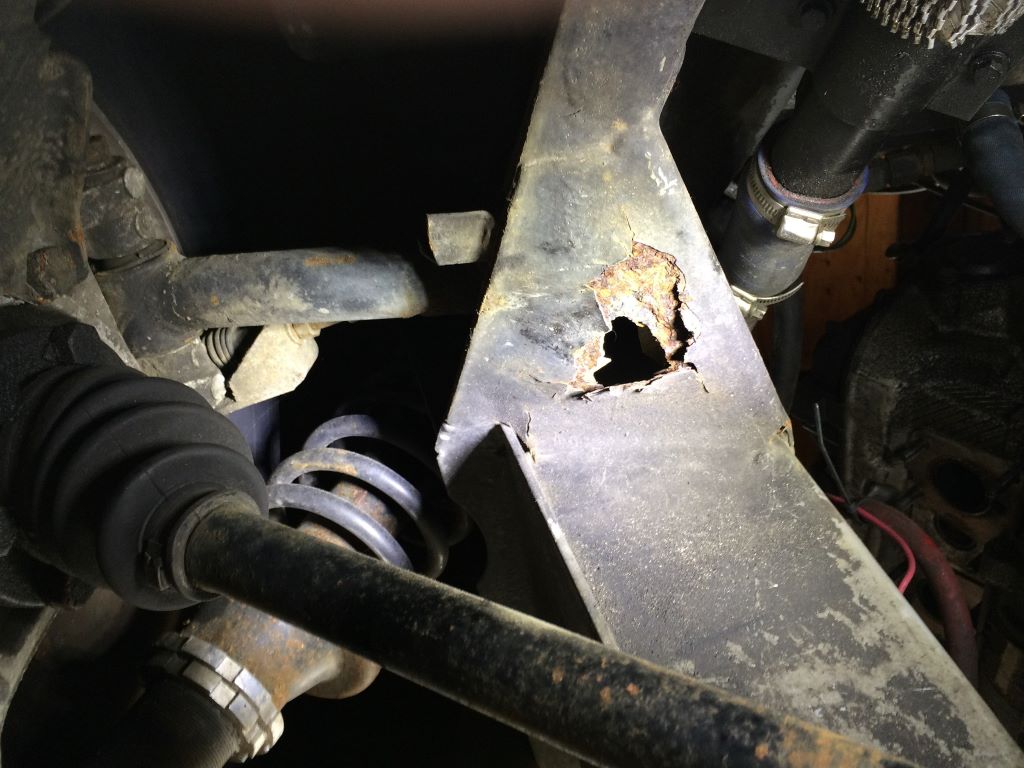
Once the rusted tube is replaced, take steps to prevent recurrence. Regularly inspect the transmission dipstick tube and surrounding areas for signs of corrosion. Applying a rust-inhibiting spray or coating to the tube can extend its lifespan. Additionally, keep the vehicle in a dry environment and avoid driving through deep water or salted roads when possible. Regular maintenance, as outlined by experts at Motor Trend, can significantly reduce rust-related issues in vehicle components.
Also Read:
Unveiling the Power of Custom Car Sun Shades: Protection Meets Style
Common Mistakes to Avoid
When tackling a rusted-in transmission tube, certain missteps can worsen the situation. Avoid these pitfalls:
- Using excessive force, which can strip threads or crack the transmission case.
- Skipping penetrating oil, as it’s critical for loosening rust.
- Overheating the case, which may weaken the metal or damage nearby components.
- Neglecting to clean the area before installing a new tube, leading to poor sealing.
- Ignoring fluid leaks, which could indicate deeper transmission issues.
Why Addressing This Issue Matters
A rusted-in transmission tube isn’t just a minor inconvenience; it can lead to serious problems if ignored. A stuck tube may prevent proper fluid checks, leading to low fluid levels and transmission damage. Moreover, rust can spread to other components, compromising the vehicle’s performance. By addressing the issue promptly, you protect your transmission and avoid costly repairs down the road.
FAQs About Rusted-In Transmission Tubes
- Can I drive with a rusted transmission dipstick tube?
Driving with a rusted tube is risky, as it may cause fluid leaks or inaccurate fluid level readings, potentially damaging the transmission. Replace it as soon as possible. - How long does it take to remove a rusted-in tube?
The process can take 1-3 hours, depending on the rust severity and tools available. Patience and proper technique are key to avoiding damage. - What if the tube breaks during removal?
If the tube snaps, use a screw extractor or consult a professional to avoid damaging the transmission case. Drilling carefully is essential. - Can I prevent rust without replacing the tube?
Applying rust-inhibiting spray and keeping the vehicle clean can slow rust progression, but a severely rusted tube should be replaced. - Is a rusted transmission tube a sign of bigger issues?
It could indicate exposure to moisture or neglect. Check for other rust or fluid issues, such as vent tube leaks, to ensure the transmission’s health.
Conclusion
Handling a rusted-in transmission tube that’s flush with the case requires careful planning, the right tools, and a methodical approach. By following the steps outlined—using penetrating oil, applying heat, and using a screw extractor when needed—you can remove the tube without damaging your transmission. Preventive measures, such as rust-proofing and regular maintenance, will keep your vehicle in top shape. With resources like CarRepro and Motor Trend, you have access to expert advice to guide you through this repair. Tackle the issue confidently, and your transmission will thank you with reliable performance for miles to come.
Read More: Understanding ABS Light on Car Dashboard