Is It Safe to Drive When Your Car Shakes Braking
Whether it is safe to drive a car that shakes depends on severity and pedal feel. However, severe shaking combined with weak or unpredictable braking makes continued driving genuinely unsafe. Therefore, your safety depends on shaking severity, pedal feel, and any accompanying warning signs. In addition, current stopping power matters far more than vibration intensity considered by itself.
First, this decision guide sorts braking symptoms into three clear and practical levels. Also, green level symptoms allow careful driving directly toward a nearby professional inspection. Meanwhile, yellow level symptoms require prompt booking plus strictly limited and careful driving. Finally, red level symptoms mean you stop safely and arrange assistance without delay.
Is It Safe to Drive a Car That Shakes
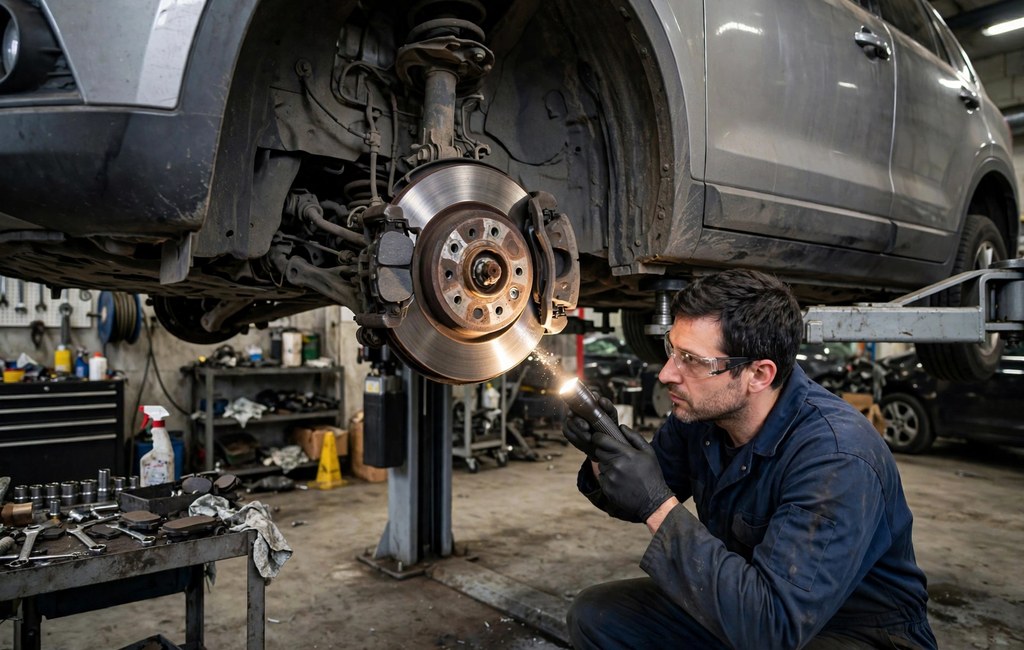
Drivers who notice car shakes when braking often face uneven rotor contact first. However, uneven contact alone does not prove the system is failing. Also, pads, calipers, and suspension play can amplify that same vibration. Therefore, context turns a common symptom into a clear safety judgment.
For example, light pulsation during gentle highway braking usually stays predictable. In contrast, shaking that changes suddenly deserves urgent attention every time. Similarly, new noises or pedal changes raise the overall risk level. In short, it stays safe to drive a car that shakes only with mild symptoms.
Mild Car Shakes Versus Severe Shakes: Staying Safe
First, mild vibration usually appears only during braking from higher speeds. Also, the steering wheel trembles lightly while the car tracks straight. Meanwhile, the pedal feels firm and stopping distances stay completely normal.
However, severe shaking affects the wheel, pedal, seat, or body together. Also, drivers often struggle to hold the car steady during stops. As a result, severe symptoms move your situation into the red. For short trips, it can stay safe to drive a car that shakes mildly.
- Green level: Drive carefully to inspection while braking stays strong and predictable.
- Yellow level: Book inspection promptly and limit driving until mechanics check everything.
- Red level: Stop driving immediately and arrange towing or roadside assistance instead.
Warning Signs a Car That Shakes Is Unsafe to Drive
First, warning signs matter more than vibration alone during any stop. Also, several signs together indicate serious trouble within the hydraulic system. Therefore, treat every additional sign as a reason to escalate.
- Grinding noise: Metal contacts metal and damages rotors with every single stop.
- Sinking pedal: The pedal drops toward the floor and signals lost hydraulic pressure.
- Visible fluid leaks: Fluid near a wheel or underneath suggests a dangerous hydraulic leak.
- Brake warning lights: A lit dashboard warning signals low fluid or system faults.
- Longer stopping distances: The car needs extra road and signals fading braking power.
However, a single red sign already justifies stopping without delay. For example, grinding plus longer stops signals badly worn pads. In addition, a sinking pedal signals possible complete brake failure. Over time, it grows less safe to drive a car that shakes harder.
Why Pulling and Reduced Stopping Power Matter
First, pulling means one side brakes harder than the other side. Also, a sticking caliper or uneven pads often cause that imbalance. As a result, the car can swerve unexpectedly during emergency braking.
Meanwhile, reduced stopping power removes your margin in sudden traffic. However, drivers often adapt gradually and underestimate this growing danger. Therefore, compare every stop against your normal, familiar stopping feel. Simply put, staying safe means you drive a car that shakes only when symptoms stay mild.
When a Shaking Car Is Not Safe to Drive
First, stop immediately when the pedal sinks or feels spongy. Also, stop when grinding, smoke, or burning smells accompany shaking. Similarly, stop when severe shaking makes steering control feel uncertain.
Next, move toward a safe place using gentle, gradual braking only. Then, switch off the engine and keep everyone clear of traffic. Finally, avoid restarting the journey to test whether symptoms disappear.
When Roadside Assistance or Towing Is Necessary
First, request towing when the car cannot stop predictably or safely. Also, request help when fluid leaks or the pedal fails completely. In addition, request assistance when one wheel smokes or overheats badly.
However, careful driving suits only green level symptoms without warning signs. Meanwhile, yellow level symptoms still require the shortest practical route only. Therefore, choose towing whenever doubt remains about stopping safely at all.
What to Tell a Mechanic During Inspection
First, describe when shaking starts and which speeds trigger it. Also, explain whether vibration reaches the wheel, pedal, or seat. In addition, report pulling, noises, smells, lights, and pedal changes.
- Speed pattern: State which speeds make shaking start, worsen, or disappear completely.
- Pedal feel: Describe firmness, sinking, sponginess, or pulsation during every stop carefully.
- Recent work: Mention recent brake, tire, wheel, or suspension work before inspection.
- Warning signs: List every noise, leak, light, smell, and stopping change observed.
However, clear notes help mechanics reproduce symptoms during their road test. As a result, inspection focuses quickly on the correct brake corner. Finally, ask mechanics to explain findings before you authorize any work.
Frequently Asked Questions
Is it safe to drive with mild brake vibration?
However, mild vibration with firm, straight, predictable braking usually allows careful driving to inspection.
When should I stop driving with shaking brakes?
Therefore, stop immediately when shaking brings grinding, pulling, sinking, leaks, smoke, or weak stopping.
Is It Safe to Drive When a Car Shakes Worse?
Also, continued driving can worsen rotor damage and lengthen stopping distances over time.
Should I drive to a shop or get a tow?
First, drive carefully only with green symptoms and choose towing for red symptoms.
What does grinding mean when I brake?
Finally, grinding usually means worn pads allow damaging metal contact during braking.
Conclusion
In conclusion, brake vibration itself does not automatically forbid all driving. However, severity plus warning signs determine your correct decision level today. Therefore, green means careful inspection driving, yellow means prompt booking.
First, check your symptoms against the red list right now. Then, book a professional brake inspection today or arrange towing immediately. Finally, protect everyone by acting before predictable braking becomes unreliable.