Can Bad Suspension Cause Shaking When Braking
Yes, bad suspension can cause shaking during braking. Worn parts let the wheel shift slightly under braking load instead. Then that small unwanted movement turns mild brake forces into noticeable shaking.
Healthy suspension holds each front wheel steady while pads grip the rotors firmly. However, drivers often blame rotors first when car shakes when braking appears suddenly. Also, loose parts can create fresh shake or amplify tiny rotor unevenness greatly.
For example, loose parts often clunk over bumps and wander on roads. Therefore, a careful check looks beyond rotors, pads, and calipers alone. Next, the sections below trace play through each worn part carefully.
How Suspension Parts Respond to Braking Forces
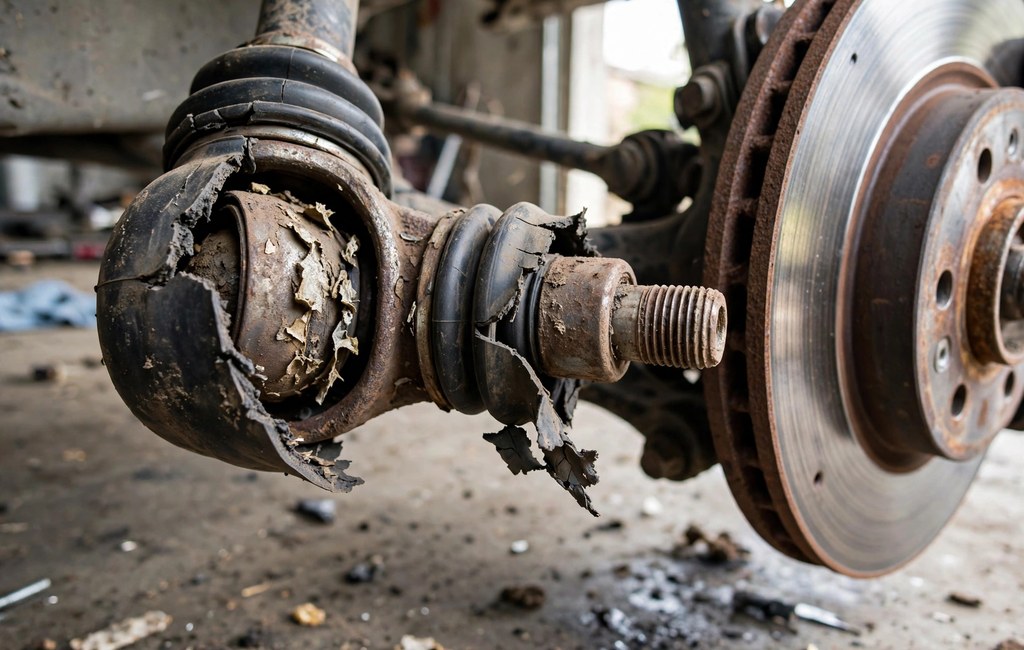
Braking pushes weight forward and loads the front suspension heavily. Also, braking torque tries to pull each wheel backward against mounts. Healthy parts limit that movement and keep alignment angles stable.
However, worn parts add clearance where engineers intended almost none. Then the wheel shifts, settles, and shifts again under changing pressure. As a result, drivers feel shake instead of smooth, steady deceleration.
In addition, front parts carry most load during most stops normally. Therefore, small looseness up front creates the strongest steering shake. In short, bad suspension turns mild shaking into harsh braking judder.
Worn Control Arm Bushings Create Play
Control arm bushings cushion the arm where it meets the frame. Also, healthy rubber allows controlled flex and blocks harsh vibration. Cracked rubber, however, lets the arm move inside its mount.
During braking, that extra movement changes toe and wheel position briefly. Then one wheel may point slightly differently from the other wheel. For example, drivers may notice pulling, wandering, or a single clunk.
- Cracked rubber: Mechanics see splits, tears, or separated rubber during inspection. Also, drivers hear clunks when braking loads shift the arm.
- Soft movement: Technicians move the arm and watch for excessive travel. Then excessive travel confirms play beyond normal controlled flex.
Also, uneven bushing wear lets left and right wheels react differently. As a result, the car may pull briefly when braking starts. That is why bad suspension makes shaking under braking feel loose and vague.
Damaged Ball Joints and Tie Rods Add Movement
Ball joints connect control arms to steering knuckles and carry load. Also, tie rods link the steering rack to each knuckle precisely. Both joints pivot constantly, so wear gradually creates looseness inside sockets.
Under braking, a loose ball joint lets the knuckle shift slightly. Similarly, a worn tie rod lets toe change under load quickly. As a result, the steering wheel may shake, wander, or feel vague.
However, severe play also creates clunks over bumps and uneven wear. Finally, severe ball joint wear threatens wheel control and demands prompt attention. Over time, bad suspension lets shaking grow stronger during braking at speed.
- Torn boots: Dirt enters damaged boots and accelerates wear inside the joint. Also, lost grease lets metal surfaces wear faster under load.
Strut and Shock Absorber Problems Under Braking
Struts and shocks control spring movement and keep tires planted firmly. Also, many front struts help locate the wheel and support weight. Weak dampers therefore let the wheel bounce instead of settling quickly.
During braking, a bouncing wheel varies grip and rotor contact repeatedly. Then worn strut mounts add another source of looseness up top. For example, drivers may feel extra dive, bounce, or shake together.
In contrast, healthy dampers calm movement after each brake application ends. However, dampers rarely create rhythmic pulsation without another worn part nearby. Next, a careful test separates weak damping from loose mounting play. Simply put, bad suspension links shaking directly to braking forces and play.
Suspension Vibration Versus Brake Vibration
Brake vibration usually follows pedal pressure and wheel speed very closely. For example, rotor thickness variation creates a steady, repeating pedal pulsation. Also, that pulsation often grows stronger during harder, faster stops. However, both faults can coexist and complicate the symptom pattern greatly.
Suspension shake, in contrast, often feels looser and less predictable overall. It may clunk once, shift sideways, or change over rough pavement. Meanwhile, coexisting clues point toward play outside the brake parts themselves. In addition, worn parts often amplify a tiny rotor problem noticeably.
- Brake pattern: Drivers feel rhythmic pulsation mainly while pressing the pedal. Also, smooth coasting usually removes that brake linked vibration completely.
- Suspension pattern: Drivers notice clunks, wandering, or shake over bumps too. However, light braking may reveal play before hard braking does.
How Mechanics Inspect Suspension-Related Brake Shaking
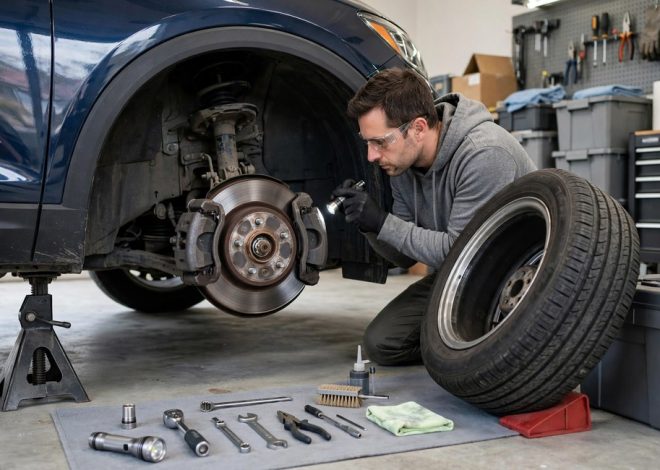
First, mechanics test-drive the car and record speed and pressure. Next, they compare braking shake with coasting and bump behavior carefully. Then they lift the car and secure it for inspection.
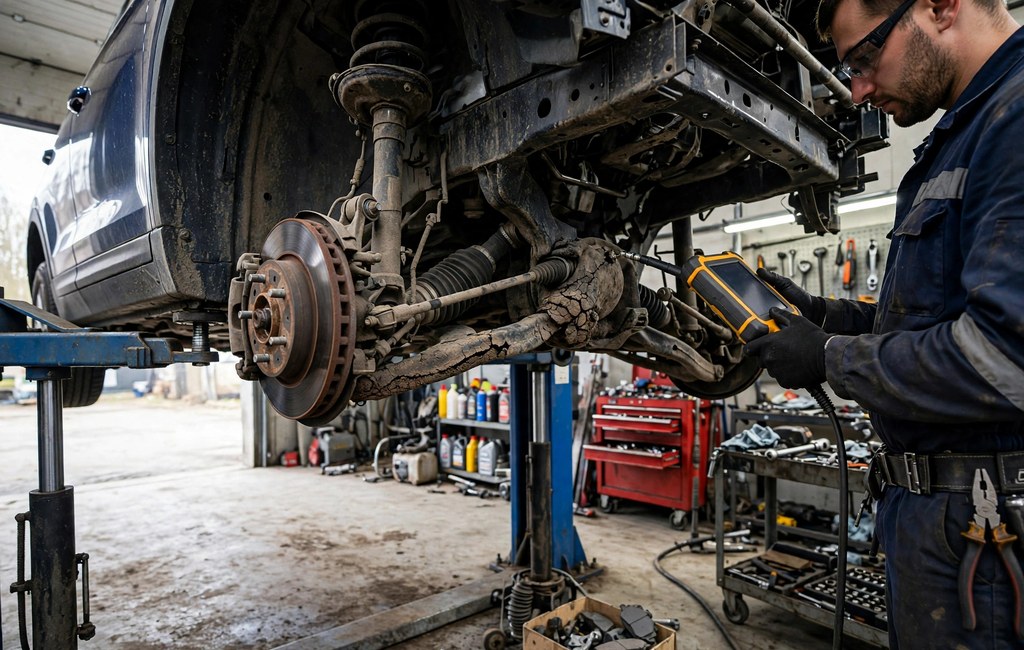
- Hands and eyes: Technicians shake each wheel and check for unwanted play. Also, they inspect boots, bushings, and mounts for damage.
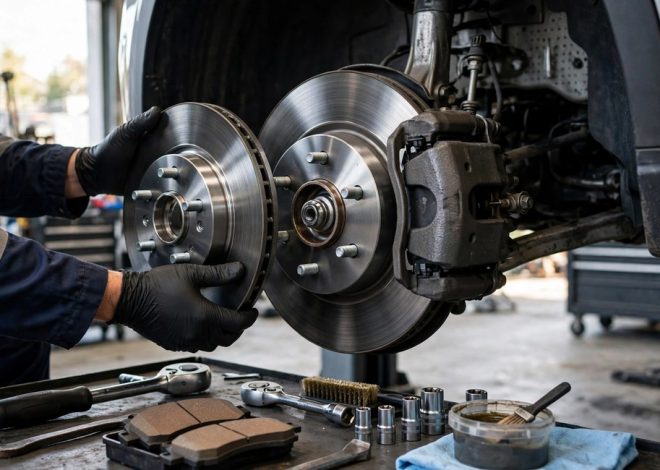
- Pry and measure: Technicians pry gently against arms and joints during checks. Then they measure rotor runout and thickness variation too.
- Steering check: An assistant turns the wheel while another watches linkage movement. Finally, technicians compare both sides before recommending any part replacement.
However, good diagnosis separates the trigger from parts amplifying it. Therefore, mechanics may correct brake faults and suspension play together. In addition, they check rotor condition before clearing the brakes entirely.
Frequently Asked Questions
Can worn bushings cause shaking only when braking?
Yes, worn bushings also let wheels shift under braking load alone.
Can a bad ball joint mimic a warped rotor?
Yes, loose ball joints also let knuckles move and mimic pulsation.
Why does suspension shake feel different from brake shake?
Suspension shake usually feels loose and irregular, while brake pulsation repeats rhythmically.
Can worn shocks cause shaking when braking?
Yes, weak shocks also let wheels bounce and vary grip repeatedly.
Should a mechanic check suspension if rotors look fine?
Yes, mechanics should also check bushings, joints, rods, and mounts.
Conclusion
Bad suspension can cause shaking when braking through unwanted play. Also, worn bushings, joints, rods, and dampers let wheels move. Therefore, drivers should not blame rotors without checking every linkage.
Book a brake and suspension inspection promptly if shaking continues. Then fix the worn parts and restore steady, confident braking control.