ABS Pulsation vs Bad Brakes How to Tell
Normal ABS pulsation feels rapid and violent during hard stops only. In contrast, faulty brakes pulse rhythmically during gentle stops on dry roads. Therefore, the conditions around each pulse reveal the real cause quickly.
First, you need one simple test comparing pedal feel, sound, and timing. Then, note exactly when your car shakes when braking and how the pedal responds. Also, that pattern separates protective ABS action from mechanical brake damage.
For example, normal ABS stops pulsing when you ease pedal pressure slightly. However, rotor pulsation returns at nearly every stop until repairs fix it. Next, the sections below walk through each difference step by step.
What Normal ABS Pulsation Feels Like
You feel a fast buzzing kickback pushing hard against your foot. Also, you hear grinding, buzzing, or rapid clicking near the wheels. Meanwhile, the car keeps steering while it slows down quickly.
First, this feedback appears only during panic stops or slippery surfaces. Then, the pedal may sink slightly while the pump works hard. However, the vibration stops immediately when the wheels regain full grip.
Also, you should keep pressing firmly and steer around danger. Then, the system keeps tires rolling instead of locking them. In addition, pumping the pedal manually only interrupts this protection.
Why ABS Makes the Brake Pedal Pulse
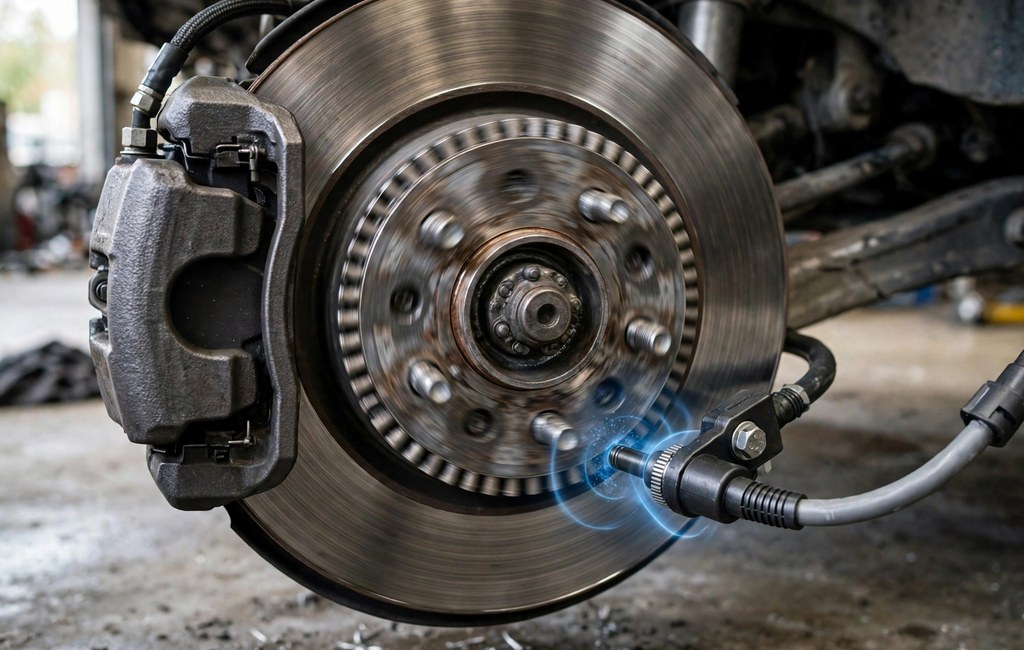
Wheel speed sensors monitor each wheel many times every second. Next, the control unit compares wheel speeds and detects impending lockup. As a result, the unit commands valves to release brake pressure instantly.
Then, the hydraulic modulator cycles pressure up to twenty times per second. Also, each cycle lets the tire roll briefly and regain traction. Therefore, you feel each pressure change directly through the pedal.
First, sensors detect lockup before the tire fully stops rotating. Next, valves hold, release, and reapply pressure in rapid sequence. As a result, the tire keeps grip near its maximum limit.
What Abnormal ABS Pulsation Feels Like
In contrast, faulty brakes produce a slower and more rhythmic pedal pulse. You feel the pedal rise and fall with each wheel rotation. Also, the steering wheel often shakes when front brakes cause trouble.
First, this pulse repeats during ordinary stops on clean dry pavement. Next, the pulse grows stronger as speed and pedal pressure increase. However, easing pedal pressure never makes this mechanical pulse disappear completely.
Meanwhile, seat or floor vibration often points toward rear brakes. Similarly, pedal-only vibration often reflects hydraulic pressure changes inside lines. Therefore, the vibration location guides your first diagnostic steps well.
How Damaged ABS Sensors Affect Braking
Damaged sensors send false wheel speed signals to the control unit. For example, dirt, rust, or cracked rings commonly corrupt sensor signals. As a result, the system activates ABS during gentle, unnecessary stops.
Then, you feel sudden buzzing and grinding during slow, light braking. Also, false activation can lengthen stopping distances during routine driving conditions. In contrast, healthy sensors stay silent until a wheel truly slips.
First, mechanics inspect sensor wiring, connectors, and tone rings carefully. Also, excessive sensor air gaps weaken signals at low speeds. Finally, cleaning or replacing the sensor usually restores accurate readings.
ABS Pulsation Versus Uneven Brake Rotors
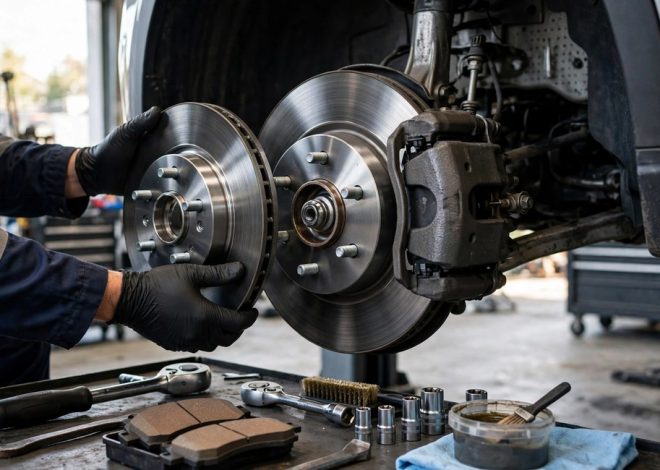
Uneven rotors push pads and pistons outward with every single rotation. Similarly, ABS faults trigger pressure changes without any rotor surface damage. Therefore, timing and repetition separate these two causes most reliably.
- Pedal feel with ABS: The pedal buzzes rapidly and pushes back hard. Then, the buzzing ends when traction returns fully.
- Pedal feel with rotors: The pedal throbs slowly and matches wheel speed exactly. Also, the throb repeats at nearly every stop sign.
- Sound with ABS: You hear loud grinding, buzzing, or rapid clicking sounds. Meanwhile, those sounds stop when the emergency stop ends.
- Sound with rotors: You usually hear little noise beyond possible squealing or scraping. However, grinding sounds suggest badly worn pads need attention.
- Conditions with ABS: Pulsation appears only during hard braking or slippery conditions. For example, wet leaves and ice trigger activation most often.
- Conditions with rotors: Pulsation appears during normal braking on dry roads repeatedly. In addition, highway speeds usually make rotor pulsation feel stronger.
Next, check whether the pulse follows speed or follows pedal force. Finally, speed-linked pulses point toward rotors or uneven pad deposits.
When ABS Vibration Requires Professional Diagnosis
First, seek diagnosis when pulsation occurs during normal, gentle braking stops. Also, seek help when false ABS activation lengthens your stopping distances. However, longer stops and pulling sensations signal urgent safety risks.
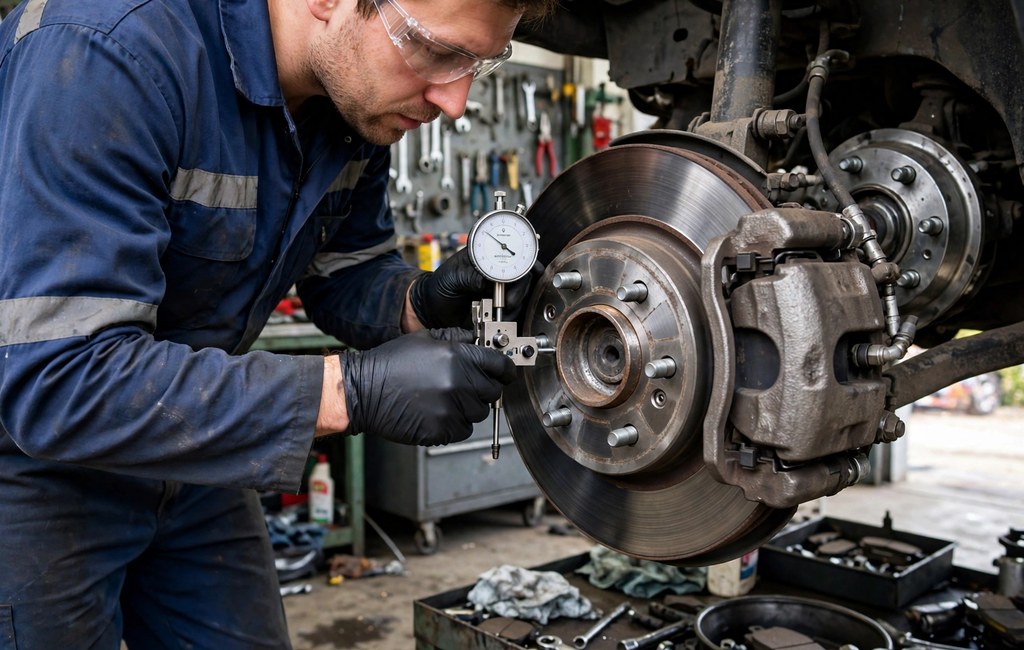
Next, a technician measures rotor thickness variation and runout precisely. Then, the technician tests each wheel speed sensor signal directly. As a result, testing confirms the faulty part before any replacement.
Frequently Asked Questions
Is ABS pulsation during hard braking normal?
Yes, rapid pedal pulsation during hard braking usually signals normal ABS operation.
Why does my brake pedal pulse at every stop?
However, pulsing at every stop usually points toward uneven rotor surfaces.
Can a bad ABS sensor cause pulsation when braking lightly?
Yes, a damaged sensor can trigger false ABS activation during light braking.
How do I know if pulsation comes from rotors?
Rotor pulsation feels rhythmic, repeats daily, and often shakes the steering wheel.
Should I keep driving when my brakes pulsate?
Therefore, book an inspection promptly whenever pulsation appears during normal stops.
Conclusion
Normal ABS pulsation protects you during rare, high-force emergency stops. In contrast, abnormal pulsation warns you during everyday stops repeatedly. Therefore, the feel test gives you a clear first answer.
Trust the pattern, not a single strange stop in isolation. Also, note the pedal feel, sound, and conditions before inspection. Finally, book a professional brake inspection today and restore confident stopping.