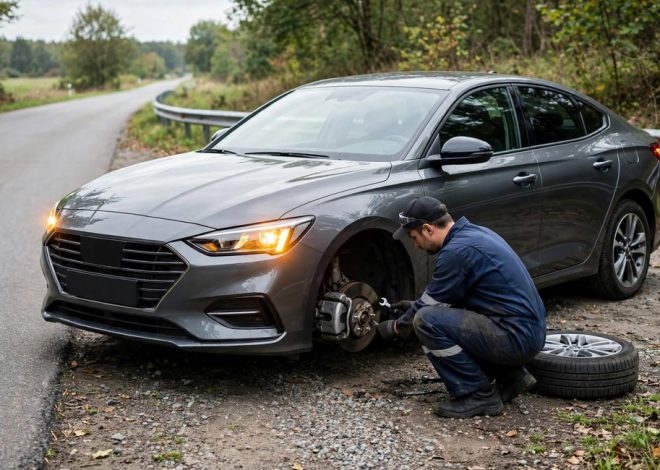
Why Steering Wheel Shakes When Braking
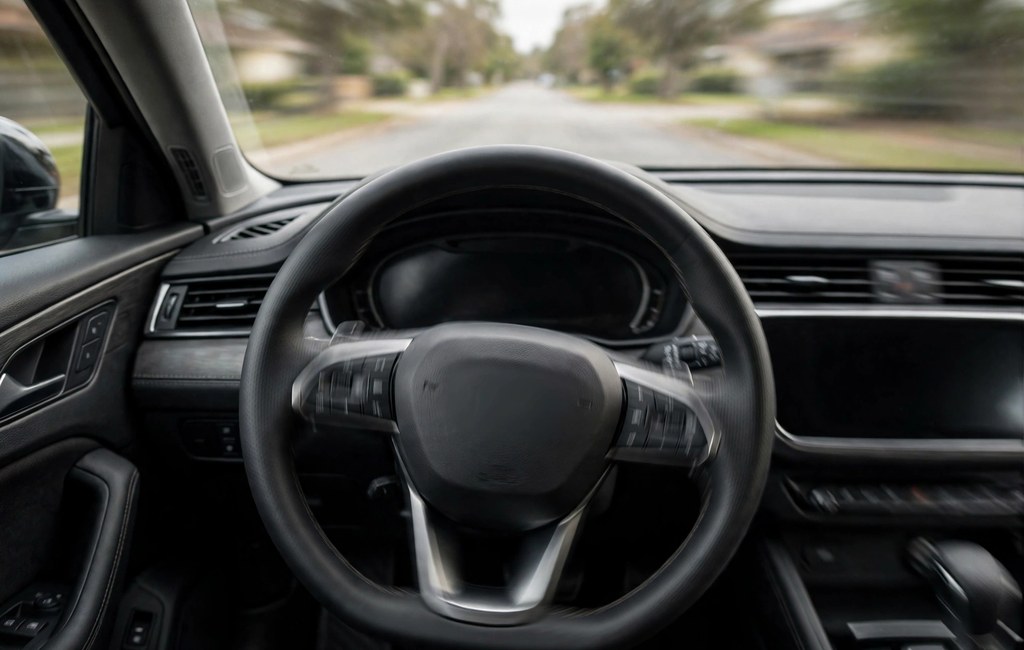
Your steering wheel shakes during braking because front rotors usually pulse unevenly under pressure. That pulse then travels through the hub, suspension, and steering linkage directly. Therefore, the wheel often reveals the faulty front corner before inspection begins.
However, worn steering parts can also amplify a small brake pulse dramatically. For example, loose joints let the wheel shift while braking forces build. Also, damaged bushings and failing bearings create similar movement under load.
First, treat the shaking wheel as a location clue, not background noise. Next, trace the vibration outward from the rotor toward the steering rack.
Why Steering Wheel Vibration Happens During Braking

First, drivers who notice car shakes when braking should watch where the vibration travels. The front brakes handle most stopping force during every normal stop. Therefore, front faults reach your hands faster than rear faults.
Meanwhile, braking shifts weight forward and loads the front suspension heavily. As a result, even slight looseness becomes obvious during each stop. In contrast, a smooth wheel during coasting points back toward braking.
Then, the steering column carries each pulse straight from the knuckle upward. Also, the rack connects both front wheels into one shared pathway. Therefore, one uneven rotor can shake the whole wheel noticeably. In most cars, the steering wheel shakes when braking because front rotors pulse unevenly.
Front Rotors and Steering Wheel Shakes While Braking
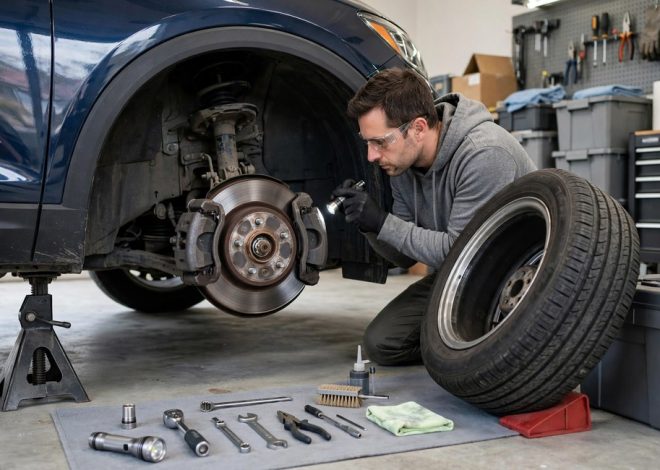
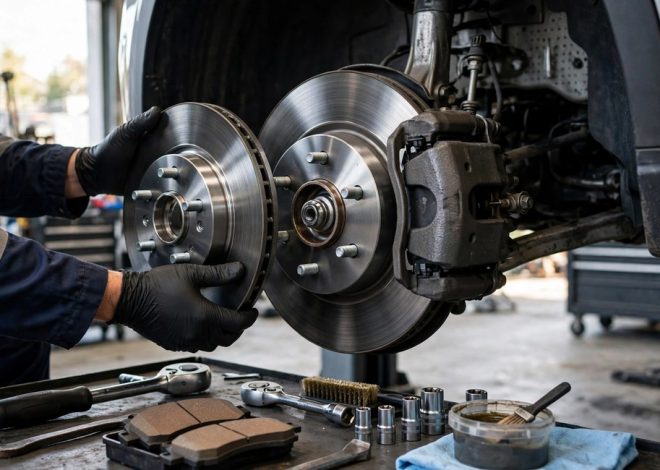
First, inspect the front rotors because they start most braking shakes. Uneven rotor thickness makes the pads grab, release, and grab again repeatedly. Therefore, the caliper moves rapidly and sends pulses through the hub.
However, drivers often call this condition warping, although deposits usually cause it. For example, pad material transfers unevenly after hard or hot stops. Also, lateral runout makes the rotor wobble sideways while it spins.
- Thickness variation: It creates high and low contact spots across the rotor face.
- Lateral runout: It pushes the pads sideways with every single wheel rotation.
- Pad deposits: They change friction unevenly and therefore strengthen the pulsing sensation.
Next, a mechanic should measure thickness and runout with proper tools. Resurfacing only helps when thickness stays above the stamped minimum value. Otherwise, replacement restores a flat and parallel braking surface safely. That is why the steering wheel shakes when braking through the front axle first.
Worn Tie Rods and Ball Joints Amplify the Shake
Next, move outward from the rotor toward the steering linkage itself. Tie rods connect the steering rack to each front wheel knuckle. However, worn tie rod ends develop play that braking exposes immediately.
For example, braking force takes up slack and snaps the wheel sideways. As a result, a mild rotor pulse becomes a violent wheel shake. Also, the car may wander slightly while you hold it straight.
Similarly, ball joints support the knuckle while the wheel steers and moves. Worn ball joints therefore let the assembly shift under braking load. Finally, a mechanic should check every joint for looseness carefully. Over time, the steering wheel shakes when braking harder as joints loosen further.
Damaged Control Arm Bushings Let the Wheel Shift
Then, inspect the control arm bushings behind the wheel assembly next. Rubber bushings hold each control arm firmly against the vehicle frame. However, cracked or softened rubber lets the arm move during braking.
Because of this, the wheel shifts forward or backward during each stop. That movement changes alignment angles briefly and creates a noticeable shake. Also, drivers may hear a clunk when braking forces first load.
In addition, bushing wear often hides behind an otherwise healthy brake system. A mechanic should therefore pry and visually inspect each bushing carefully. Finally, replacing damaged bushings restores stable geometry during hard stops. Simply put, the steering wheel shakes when braking whenever front grip pulses.
Bearing Play Feeds Steering Wheel Shakes During Braking
Next, check the wheel bearings at the center of the hub. Bearings let the wheel spin smoothly while supporting the vehicle weight. However, worn bearings develop play that tilts the rotor during braking.
For example, a loose bearing lets the rotor move off its plane. Therefore, the pads meet an uneven surface even with new rotors. Also, failing bearings often growl or hum while the car rolls.
Meanwhile, the hum usually changes when steering loads one side more. A mechanic should therefore rock the wheel and listen closely. Finally, replacing a worn bearing removes play at the source.
How to Distinguish Brake Problems From Steering Faults
First, note exactly when the shaking starts during your drive. Brake faults usually appear only while the pedal applies pressure. In contrast, loose steering parts often shake during coasting as well.
Next, compare pedal feel with the sensation in your hands carefully. A pulsing pedal plus shaking wheel usually indicates uneven front rotors. However, clunks and wandering usually indicate loose linkage or bushings instead.
- Brake pattern: It starts with pedal pressure and stops when pressure releases.
- Steering pattern: It continues during coasting and often includes clunks or wandering.
- Bearing pattern: It adds humming that changes when you steer between lanes.
Therefore, a mechanic should road test, measure, and inspect before replacing parts. Also, fixing the brakes alone fails when linkage play remains afterward. As a result, complete inspection saves repeat repairs and restores confidence.
Frequently Asked Questions
Why does my steering wheel shake only when I brake?
Braking loads the front rotors and linkage, therefore uneven rotors or loose parts shake.
Can warped front rotors shake the steering wheel?
Yes, uneven rotor thickness pulses the caliper and therefore shakes the steering wheel directly.
Can bad tie rods cause shaking when braking?
Yes, worn tie rods add play that braking exposes, therefore the wheel shakes noticeably.
How do I know if a wheel bearing is causing the shake?
Bearings usually hum while rolling and also add play that tilts the rotor slightly.
Should I keep driving if my steering wheel shakes when braking?
No, you should schedule inspection promptly because braking faults and loose parts worsen quickly.
Conclusion
In short, the shaking wheel points outward from the front rotor. Rotors start most pulses, while joints, bushings, and bearings amplify them. Therefore, accurate diagnosis follows the vibration path step by step.
Finally, book a brake and front end inspection with a mechanic today. Describe exactly when the shake happens during every stop you make. Also, ask the mechanic to measure rotors and check linkage play.