Tesla vs. Rivian, Mach-E, and Lucid: Which EV Should You Buy?
Tesla vs. Rivian, Mach-E, and Lucid: Which EV Should You Buy? That question lands differently depending on your driveway, your budget, and how far you drive each week. A $40,000 crossover shopper and a $90,000 luxury buyer are not really comparing the same four cars.
Quick answer: If you want the safest all-rounder with the best charging network, buy a Tesla. Choose the Mustang Mach-E for a familiar, comfortable SUV at a lower price. Pick Rivian for genuine off-road and truck capability, and Lucid for maximum range and rear-seat luxury.
This comparison covers price, range, charging, cabin design, and ownership costs. You will finish with a clear pick for your own use case rather than a generic winner.
Side-by-side comparison
The four brands overlap less than the marketing suggests. Each sits at a different price point and serves a different driver. The table below compares the core dimensions most buyers actually weigh.
Comparison: Tesla vs. Rivian vs. Mach-E vs. Lucid (base models)
| Model | Approx. starting price | EPA range (base) | Body styles | Best for |
|---|---|---|---|---|
| Tesla | Model 3 from about $40,000; Model Y from about $45,000 | Roughly 270–360 miles | Sedan, crossover, SUV | Everyday driving, charging access |
| Rivian | R1T from about $70,000; R1S from about $76,000 | Roughly 270–420 miles | Pickup, SUV | Off-road, towing, outdoor life |
| Ford Mustang Mach-E | From about $40,000 | Roughly 250–320 miles | Crossover SUV | Value-focused families |
| Lucid | Air from about $70,000; Gravity SUV higher | Up to about 400+ miles | Luxury sedan, SUV | Long-distance comfort |
Prices shift with trims, incentives, and battery options, so treat these as starting points rather than quotes. Tesla spans the widest price band, from an entry sedan to a three-row family SUV. Rivian and Lucid both start near $70,000 or above, which puts them in a different buying conversation.
The range column matters most for road-trippers. Lucid leads on pure range, Tesla and Rivian sit close behind with larger packs, and the Mach-E covers typical commutes comfortably. Notice that body style is the real divider here.
Read the table as a set of trade-offs rather than a scoreboard. A Mach-E buyer saves roughly $30,000 against a Rivian, which covers many years of electricity and insurance. A Lucid buyer pays for range and rear-seat space that most daily drivers never fully use. Tesla’s spread from the Model 3 to the Model Y means one brand can serve a single commuter or a family of five.
Trim choice also reshapes these numbers more than the base prices suggest. Adding all-wheel drive, a larger pack, or a performance package can push a Mach-E toward $55,000 and a Model Y past $50,000. Rivian and Lucid climb faster still, since their option packages bundle luxury and capability together. Compare the trim you would actually order, not the stripped entry model.
Federal incentives, state rebates, and trim updates move these numbers. Confirm current pricing with each maker before you commit.
Key differences explained
One underrated difference is the buying experience. Tesla sells direct, with fixed pricing and no haggling, which some buyers find refreshing and others find inflexible. Ford sells through franchised dealers, so you can negotiate and service locally, though pricing and markups vary by store. Rivian and Lucid sit in between, with small showrooms and online ordering that offer less room to bargain.
Warranty and service access also separate the brands. Tesla offers a four-year basic warranty and an eight-year battery warranty, with service handled through its own centers or mobile technicians. Ford’s dealer network makes routine service easy in most towns. Rivian and Lucid have fewer locations, so buyers in rural areas should map the nearest service point before committing.
Price and market position
Tesla and Ford compete for the mass market. The Model 3 and Mach-E both start near $40,000, and both offer SUV variants that families cross-shop directly. Rivian and Lucid aim higher, targeting buyers who want a truck or a luxury sedan and can stretch the budget.
Charging network access
Tesla’s Supercharger network remains the brand’s biggest practical advantage on road trips. Rivian has built its own Adventure Network and now offers access to Tesla’s network through adapters. Ford has also opened Supercharger access for Mach-E owners. Lucid drivers rely mainly on third-party networks, which are improving but less consistent.
Vehicle capability
Rivian sells capability: high ground clearance, real towing ratings, and off-road modes. The Mach-E is a comfortable crossover built for pavement. Tesla splits the difference with performance trims and optional all-wheel drive. Lucid focuses on quiet cruising and a spacious rear cabin.
Cabin and software
Tesla puts nearly everything on a central touchscreen, which some drivers love and others find distracting. Ford keeps physical controls for key functions, which many families prefer. Rivian blends screens with rugged materials, and Lucid leans toward a minimalist luxury feel.
Key similarities
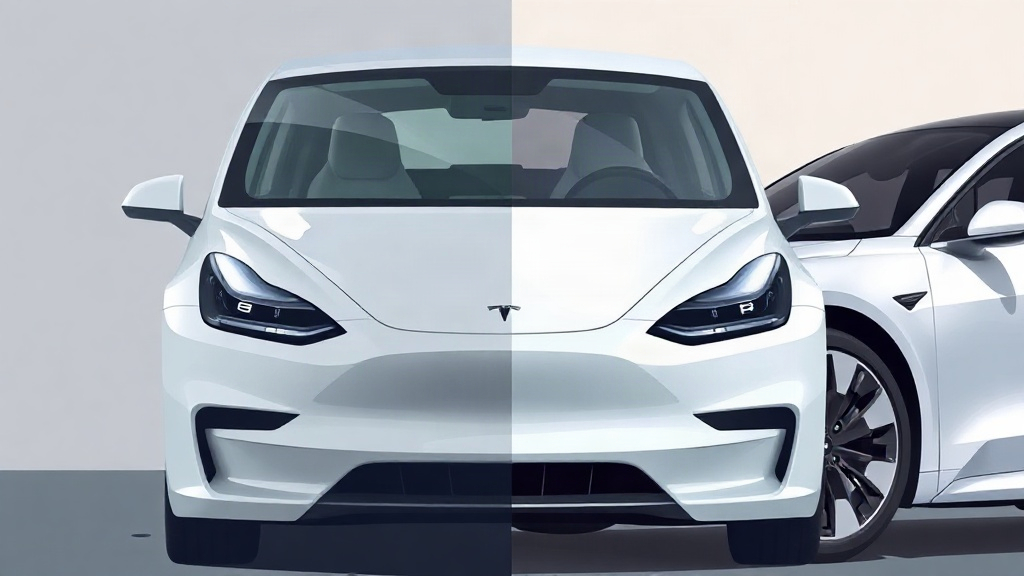
Despite the price gaps, all four share more than buyers expect. Every model uses a lithium-ion battery pack and supports DC fast charging, so a 20–40-minute stop can add meaningful range on a trip. All four offer over-the-air software updates, which means features and fixes arrive without a dealer visit.
Safety technology is broadly comparable. Forward collision warning, automatic emergency braking, and lane-keeping assist appear across the lineup. Advanced hands-on highway assistance is available on each, though the names differ. Cabin space in the crossovers and SUVs is generous, with flat floors and useful cargo areas.
Ownership economics also rhyme. Electricity usually costs less per mile than gasoline, and maintenance is lighter because there is no oil change, transmission service, or exhaust system. Regenerative braking extends brake pad life on all four. Each brand offers home charging hardware, and each qualifies for some form of tax incentive depending on where you live and your income.
The differences mostly come down to execution. One brand leads on charging, another on off-road ability, another on price, and another on range. That framing keeps the decision simple.
All four also share practical ownership rhythms that matter more than specs. Tire wear runs quicker than on gas cars because of instant torque and heavier curb weights, so budget for replacements every 25,000 to 35,000 miles. Each brand recommends charging to about 80 percent for daily use to protect battery health. Winter range drops on all four, typically by 20 to 30 percent in cold weather. Planning around those habits keeps ownership predictable regardless of which badge sits in your driveway.
Most drivers cover under 40 miles a day. If that describes you, the range gap between these cars will rarely matter in practice.
Pros and cons of each option
Beyond the headline lists, insurance and repair costs vary widely across these four. Tesla premiums often run higher than comparable gas SUVs because of repair complexity and parts pricing, so get a quote before you sign. Rivian’s limited collision network can mean longer repair waits after a fender bender. The Mach-E benefits from Ford’s broad dealer body, which usually means faster, cheaper bodywork. Lucid sits in luxury territory, where even minor panel damage carries a premium.
Resale and software support deserve a place in your pros and cons too. Tesla issues frequent updates that add features years after purchase, which supports used values. Ford has improved its over-the-air updates but still trails. Rivian and Lucid are young brands, so long-term software support is promising but unproven. If you keep cars for eight to ten years, that uncertainty is worth weighing against the capability or range you gain.
Tesla
- Pros: Largest fast-charging network, strong software updates, widest price range, proven resale demand.
- Cons: Minimalist cabin divides opinion, some build-quality complaints, insurance premiums can run high.
Rivian
- Pros: Real off-road hardware, truck and SUV options, solid towing ratings, distinctive design.
- Cons: High starting price, limited service centers in some regions, heavier vehicles drain range when loaded.
Ford Mustang Mach-E
- Pros: Lower entry price, familiar controls, comfortable ride, wide dealer network for service.
- Cons: Slower peak charging than Tesla, less brand cachet, software has lagged competitors.
Lucid
- Pros: Class-leading range, quiet and spacious cabin, strong performance in higher trims.
- Cons: Premium pricing, limited service footprint, smaller charging ecosystem than Tesla.
Which should you choose?
Choose Tesla if you road-trip often
The Supercharger network still makes long drives easier. If you regularly cover 300+ miles in a day, or you want a family SUV without a luxury price, Tesla is the pragmatic pick. Buyers who value frequent software updates and strong resale value will also feel at home.
Choose the Mach-E if budget leads
The Mach-E delivers a comfortable electric crossover for less money. Drivers who want physical buttons, a quiet ride, and a nearby Ford dealer for service should test-drive it first. It suits commuters and small families more than long-haul travelers.
Choose Rivian if you leave the pavement
Rivian makes sense for buyers who tow a boat, camp off-grid, or need a truck bed. Its SUVs and pickups handle rough terrain that would stop the others. Accept the higher price and the heavier energy use when loaded.
Choose Lucid if range and comfort rule
Lucid wins for buyers who want the longest possible range and a calm, spacious cabin. It suits executives, long-distance commuters, and rear-seat passengers who matter. The trade-off is price and a thinner service network.
For most households, a Tesla Model 3 or Model Y offers the best balance of price, charging, and practicality. Move to Rivian or Lucid only when a specific need justifies the premium.
Consider your charging situation before anything else. If you cannot charge at home or work, a Tesla’s network advantage grows. If you have a garage and a short commute, a Mach-E may save you thousands without real compromise.
FAQ
Is Tesla still the best EV to buy in 2026?
Tesla remains the strongest all-round choice for most buyers because of its charging network and software. Rivals have closed the gap on build quality and features. The best pick still depends on your budget and whether you need a truck or luxury sedan.
How much more does a Rivian cost than a Mach-E?
Rivian’s entry models start around $70,000, while the Mach-E begins near $40,000. That is roughly a $30,000 gap before incentives and options. The difference buys towing capacity, off-road hardware, and a larger vehicle.
Can I use Tesla Superchargers with a Mach-E or Rivian?
Yes, both Ford and Rivian now offer access to much of the Tesla Supercharger network through adapters. Availability varies by station and hardware version. Check compatibility before relying on it for a specific trip.
Does Lucid really deliver more range than Tesla?
Lucid’s Air models claim the longest EPA range figures among these brands, exceeding 400 miles on some trims. Tesla counters with efficiency and far more charging locations. For daily driving, both offer more range than most people use.
Which EV holds its value best?
Tesla has historically shown strong resale demand, though all EVs depreciate faster than many gas cars. Rivian and Lucid face steeper depreciation because of higher starting prices and smaller buyer pools. Lease deals can soften that risk.
Conclusion
Each of these brands solves a different problem. Tesla wins on charging and everyday value, the Mach-E wins on price and familiarity, Rivian wins on capability, and Lucid wins on range and comfort. Match the car to your actual driving habits, not to a spec sheet.
The practical next step is a test drive of your top two choices on the same weekend. Bring your usual passengers and check cargo space with real bags. That single comparison will settle most of the debate faster than any review.
Tesla vs. Rivian, Mach-E, and Lucid: Which EV Should You Buy? The honest answer is the one that fits your driveway, your budget, and your longest regular trip.