Why Is My Car Shaking When Shifting From First to Second Gear
Feeling your car shake or jerk when shifting from first to second gear can be unsettling. This common problem affects many drivers and can signal various underlying issues with your vehicle. Understanding why this happens is the first step toward getting it fixed and ensuring a smoother, safer driving experience.
Understanding the Shifting Process
When you shift gears in your car, several components work together to transfer power from the engine to the wheels. The transmission, clutch (in manual cars), and various sensors all play crucial roles in this process. Therefore, when something goes wrong with any of these parts, you’ll likely feel it during gear changes.
The shift from first to second gear is particularly noticeable because it involves the greatest change in gear ratio. This means your engine speed drops significantly while your wheel speed increases. Any disruption in this delicate balance becomes immediately apparent to the driver.
Common Causes of Shaking During Gear Shifts
Several factors can cause your car to shake when moving from first to second gear. Identifying the specific cause requires careful attention to when and how the shaking occurs.
Worn or Damaged Clutch
For manual transmission vehicles, the clutch is often the primary culprit. The clutch connects and disconnects the engine from the transmission, allowing smooth gear changes. However, over time, the clutch disc wears down from constant friction and use.
A worn clutch may slip during engagement, causing jerky movements and shaking. Additionally, a damaged pressure plate or release bearing can prevent smooth clutch operation. These components typically wear out after 60,000 to 100,000 miles, depending on driving habits.
Transmission Fluid Issues
Transmission fluid serves as both a lubricant and a hydraulic fluid in your transmission system. When the fluid level is low or the fluid has degraded, shifting becomes rough and inconsistent. Old transmission fluid loses its viscosity and can no longer properly lubricate moving parts.
Furthermore, contaminated transmission fluid with metal shavings or debris indicates internal transmission wear. This contamination can cause erratic shifting behavior and noticeable shaking. Regular transmission fluid changes help prevent these problems.
Engine Mounts Problems
Engine mounts secure your engine to the vehicle’s frame while absorbing vibrations. When these rubber or hydraulic mounts deteriorate, they can no longer dampen engine movement effectively. Consequently, you’ll feel excessive vibration during gear changes, especially from first to second gear when engine torque shifts dramatically.
Broken or worn engine mounts allow the engine to move excessively during acceleration and deceleration. This movement translates directly into the cabin as shaking or vibration.
Automatic Transmission Concerns
In automatic transmissions, the torque converter and valve body control gear changes. A failing torque converter may not smoothly transfer power between the engine and transmission. Similarly, a clogged or malfunctioning valve body can cause delayed or harsh shifts.
Modern automatic transmissions rely on computer controls and sensors. Therefore, a faulty transmission control module or speed sensor can send incorrect signals, resulting in poor shift timing and shaking.
CV Joints and Axles
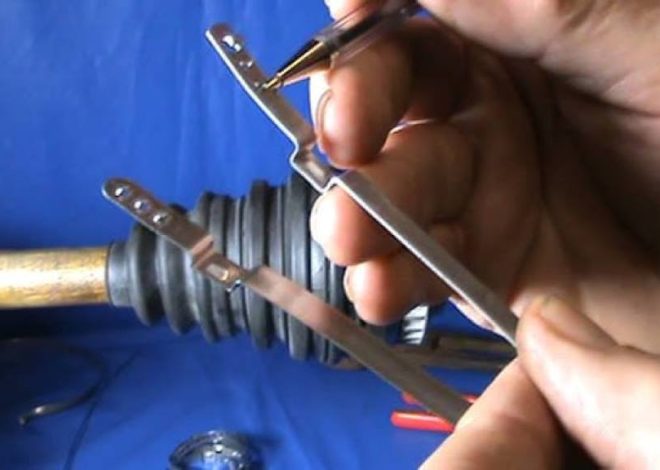
Constant velocity (CV) joints connect the transmission to the wheels, allowing power transfer while accommodating suspension movement. Worn CV joints often produce clicking sounds and can cause vibration during acceleration. If the protective boot tears, dirt and moisture enter the joint, accelerating wear.
Similarly, bent or damaged axles can cause significant shaking, particularly when accelerating through first and second gear. These components handle tremendous stress and can wear out over time.
Fuel System and Ignition Issues
Sometimes the problem isn’t with the transmission at all. A misfiring engine can create shaking that becomes more noticeable during gear changes. Worn spark plugs, faulty ignition coils, or clogged fuel injectors can cause uneven engine performance.
Additionally, a dirty throttle body or mass airflow sensor can disrupt the air-fuel mixture, leading to rough engine operation during acceleration. These issues often worsen under load, such as when accelerating from first to second gear.
Diagnosing the Problem
Identifying the exact cause requires careful observation and sometimes professional diagnosis. Pay attention to specific symptoms that accompany the shaking.
What to Listen and Feel For
Note whether the shaking occurs only during shifts or continues while driving in gear. Listen for unusual sounds like grinding, clicking, or whining that accompany the vibration. Moreover, observe if the problem worsens when the engine is cold or hot.
Check your dashboard for warning lights, particularly the check engine light or transmission warning light. These indicators can point toward specific system failures that need attention.
Professional Diagnosis
While some causes are straightforward, others require specialized equipment to diagnose. Mechanics can use scan tools to read error codes from your vehicle’s computer system. Furthermore, they can perform road tests and inspections to pinpoint the exact problem.
A transmission shop can check fluid condition, perform pressure tests, and inspect internal components. According to Consumer Reports, regular maintenance and prompt attention to transmission issues can prevent costly repairs down the road.
Prevention and Maintenance
Preventing shifting problems starts with regular maintenance and careful driving habits. Following your manufacturer’s recommended service schedule is essential for long-term reliability.
Regular Fluid Changes
Changing your transmission fluid at recommended intervals keeps your transmission operating smoothly. Most manufacturers suggest changing transmission fluid every 30,000 to 60,000 miles. However, severe driving conditions may require more frequent changes.
Using the correct type and grade of transmission fluid is equally important. Always consult your owner’s manual or a professional to ensure you’re using the right fluid.
Proper Driving Techniques
For manual transmissions, smooth clutch engagement and proper shifting technique reduce wear on transmission components. Avoid riding the clutch or forcing gear changes. Instead, allow the clutch to fully engage before accelerating.
In automatic transmissions, avoid sudden acceleration or “flooring it” from a stop. These actions place excessive stress on transmission components and can accelerate wear.
Routine Inspections
Have your mechanic inspect engine mounts, CV joints, and suspension components during regular service visits. Early detection of wear can prevent more serious problems later. Additionally, address any unusual noises or vibrations promptly rather than waiting for them to worsen.
When to Seek Professional Help
Some transmission issues require immediate professional attention. If you notice burning smells, significant fluid leaks, or complete loss of power during shifts, stop driving and have your vehicle towed to a repair shop.
Continuing to drive with serious transmission problems can cause catastrophic failure and extremely expensive repairs. The National Highway Traffic Safety Administration recommends addressing any drivability concerns promptly to ensure safety.
Conclusion
A car that shakes when shifting from first to second gear signals problems that shouldn’t be ignored. Whether the cause is a worn clutch, low transmission fluid, damaged engine mounts, or other mechanical issues, prompt diagnosis and repair are essential. Regular maintenance, proper driving techniques, and attention to warning signs can help prevent these problems. However, when issues do arise, consulting a qualified mechanic ensures accurate diagnosis and proper repairs, keeping your vehicle running smoothly and safely for years to come.
Frequently Asked Questions
Is it safe to drive my car if it shakes when shifting gears?
While you may be able to drive short distances, continuing to operate a car with shifting problems can cause additional damage. The shaking indicates something is wrong with critical drivetrain components. Therefore, have your vehicle inspected by a professional as soon as possible to prevent more expensive repairs.
How much does it cost to fix a car that shakes during gear changes?
Repair costs vary widely depending on the underlying cause. Simple fixes like transmission fluid changes cost between $80 and $250, while clutch replacement can range from $500 to $2,500. Major transmission repairs or replacements can exceed $3,000. An accurate diagnosis determines the actual repair cost.
Can low transmission fluid cause shaking when shifting?
Yes, low transmission fluid is a common cause of rough or shaky gear changes. The fluid provides hydraulic pressure needed for smooth shifts and lubricates moving parts. When fluid levels drop, shifts become harsh and jerky. Checking and topping off transmission fluid is often a simple first step in troubleshooting.
How do I know if my clutch is worn out?
Signs of a worn clutch include difficulty shifting gears, a clutch pedal that feels spongy or loose, slipping during acceleration, and a burning smell. Additionally, if your engine revs but the car doesn’t accelerate proportionally, your clutch may be slipping. Most clutches last 60,000 to 100,000 miles with proper use.
Will a transmission flush fix my shifting problems?
A transmission flush can help if the problem stems from old or contaminated fluid. However, if mechanical components are worn or damaged, a flush alone won’t solve the issue. In some cases, flushing a high-mileage transmission with existing problems can actually dislodge debris and cause more damage. Consult a professional before deciding on a flush.
Related Topics:
Car Jerks When Accelerating at Low Speeds – Causes & Fixes for Automatics
Why Rotate Car Tires: A Journey to Safer, Smoother Rides