Two-Post vs Four-Post Car Lift: Which Is Better for a Home Garage?
Choose a two-post car lift for frequent underbody repairs and open wheel access. However, choose a four-post lift for easy drive-on loading and long-term storage. Overall, your main job decides which design serves your garage best.
Additionally, both designs commonly handle 7,000 to 10,000 pounds in home sizes. Meanwhile, both designs usually run on 220V power in most home garages. Therefore, review the full car lift for garage before you commit today.
Furthermore, each lift changes loading, stability, service access, and daily parking comfort. Consequently, smart buyers compare tasks first and hardware features second.
How Each Two-Post Car Lift Raises Your Vehicle
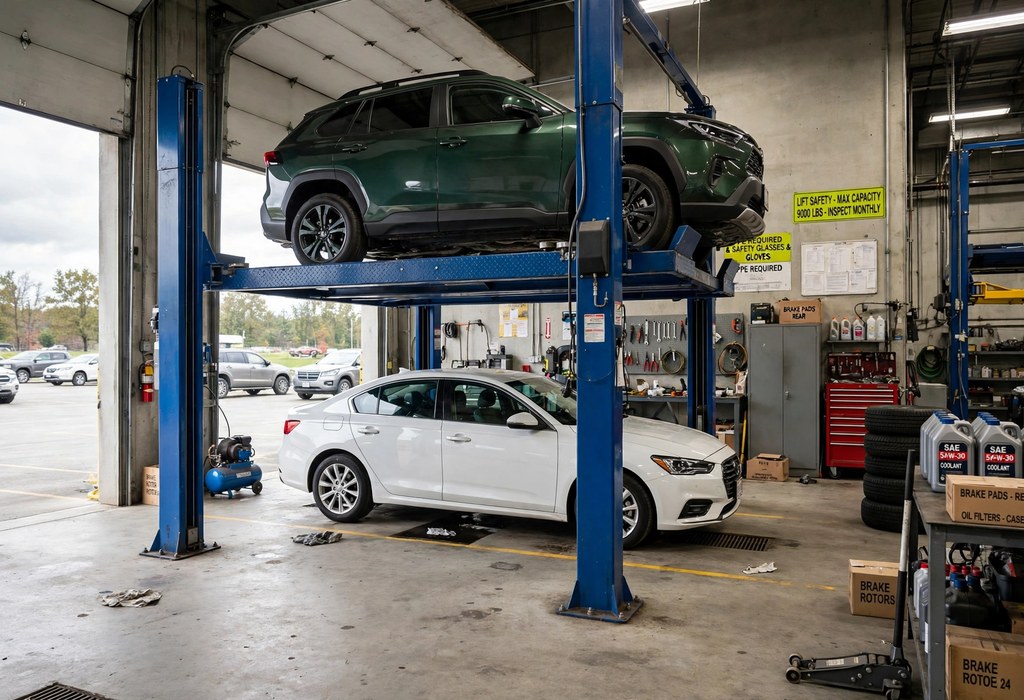
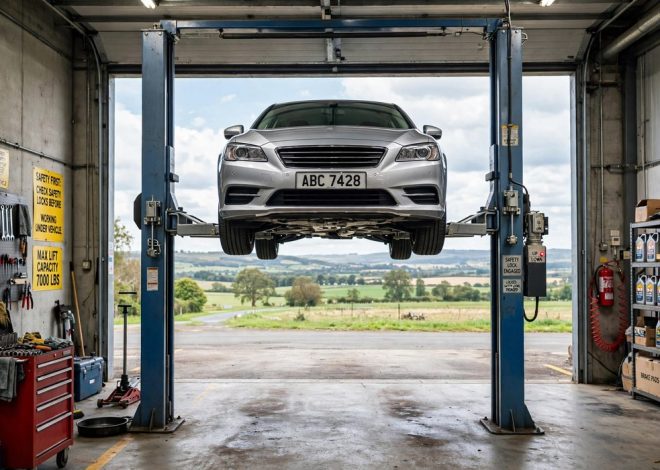
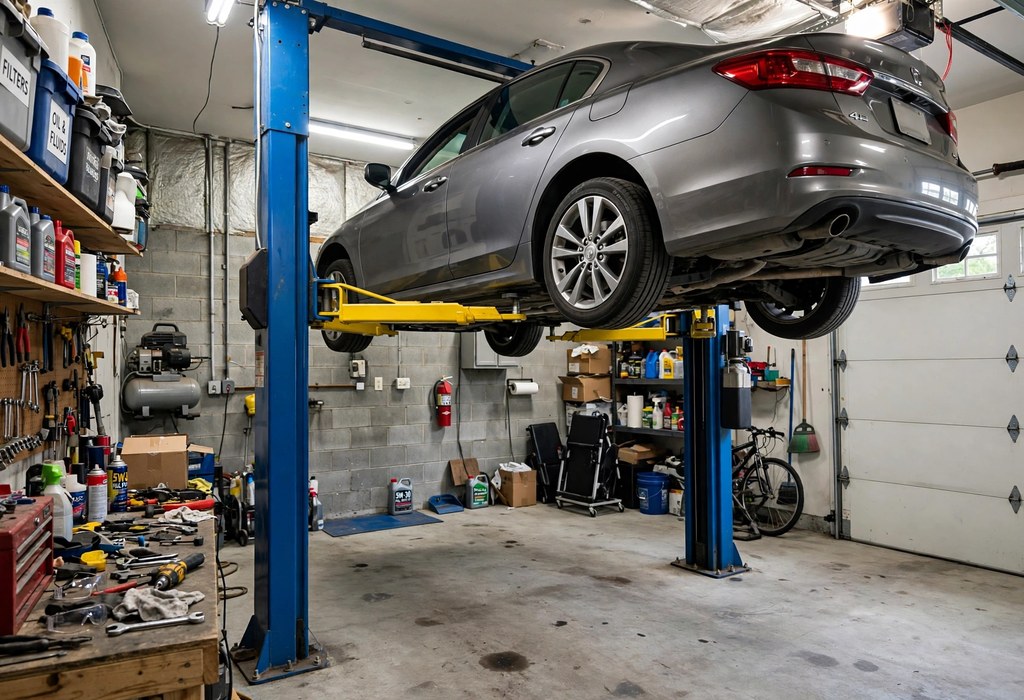
First, a two-post lift raises your vehicle on four adjustable swing arms. Moreover, two tall posts carry the load through carriages and synchronized lifting mechanisms. Consequently, the wheels hang free while the body rests on the arm pads.
Two-Post Swing Arms and Lift Points
However, two-post lifts need careful arm placement on factory lift points every time. Additionally, you position each pad under pinch welds, frame rails, or reinforced subframe points. Therefore, careful setup protects rocker panels, brake lines, and underbody panels from damage.
Four-Post Drive-On Runways and Platforms
Meanwhile, a four-post lift raises your vehicle on two long drive-on runways. Furthermore, four corner posts share the load and move the platform evenly upward. Still, the tires stay planted, so weight rests naturally through the suspension.
Footprint, Door Room, and Daily Access
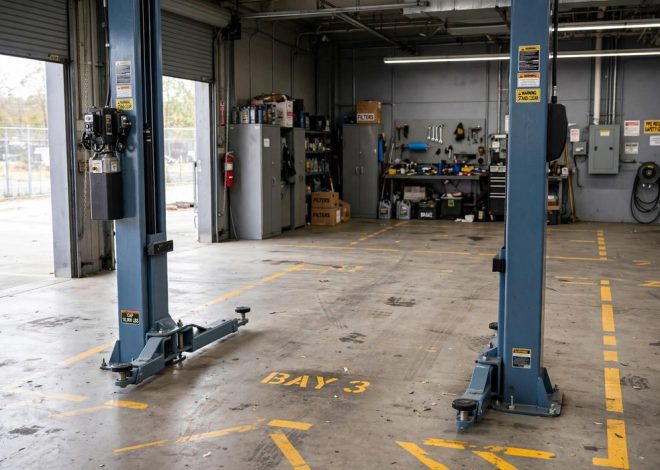
Overall, a two-post lift leaves a smaller footprint because no runways fill the bay. Additionally, you park between two posts and walk around a clear central floor. However, the posts stand beside your doors and can limit door swing noticeably.
In contrast, four corner posts frame wider runways and claim more floor area. Moreover, corner posts sit beyond your doors, so doors usually open more freely. Consequently, drivers enter and exit easily during everyday parking and quick errands.
Still, runway width dictates how comfortably wide trucks and dual-purpose vehicles fit aboard. Additionally, mirrors, running boards, and wide tires demand careful alignment during loading. Therefore, measure vehicle width, door swing, and walking clearance before choosing either design.
Installation, Concrete, and Power Needs
First, installers anchor two-post columns firmly into strong concrete for safe support. Moreover, two-post lifts require concrete at least 4 inches thick and 3,000 PSI. Consequently, cracked, thin, or unknown slabs demand professional testing before any installation begins.
Meanwhile, four-post lifts often stand freestanding and rarely require anchoring at all. Additionally, owners sometimes add caster kits and roll the lift within the garage. However, both designs need level floors, adequate ceiling clearance, and dedicated 220V circuits.
Furthermore, buyers should choose ALI certified models and follow every manufacturer instruction closely. Indeed, ALI certification confirms independent testing against the recognized industry safety standard. Therefore, verify certification labels, safety locks, and cable inspections before your first lift.
Underbody Access Versus Wheel Service
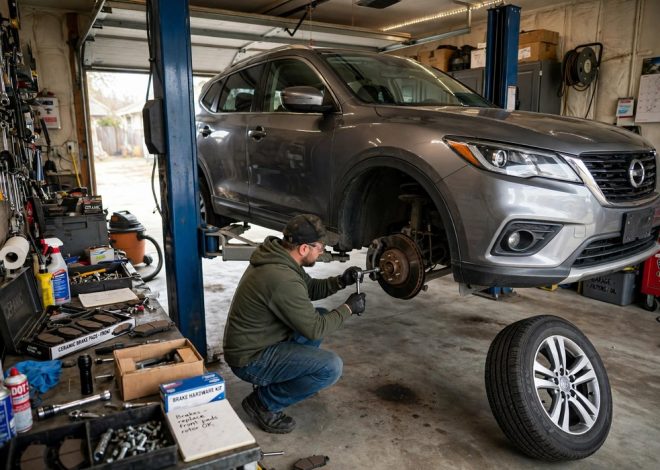
Overall, a two-post lift opens the entire underbody for exhaust and drivetrain work. Additionally, you reach transmissions, differentials, fuel lines, and suspension parts without runway obstructions. Moreover, wheels hang free, so brake and tire service starts immediately after lifting.
In contrast, runways block central underbody areas and support every tire during service. However, owners add rolling bridge jacks and lift wheels clear for brake work. Consequently, anyone comparing the best car lift for DIY repair should weigh this tradeoff.
Storage, Loading, and Stability Compared
First, a four-post lift stores one vehicle above another with confidence and ease. Moreover, drip trays protect the lower vehicle from fluids during long storage periods. Additionally, anyone researching a car storage lift parking setup usually starts here.
However, two-post lifts hold vehicles awkwardly for storage and load the suspension unevenly. Meanwhile, raised vehicles hang with wheels drooping, which suits repairs rather than parking. Consequently, dedicated storage duty clearly favors the four-post design for most owners.
Next, low cars challenge both designs in different ways during loading time. Additionally, four-post runways need gentle approach ramps for low splitters and spoilers. Moreover, two-post arms need low-profile designs and careful swinging under lowered cars.
Finally, four posts feel exceptionally planted because four corners share every load evenly. Still, a correctly loaded two-post lift feels stable and locks securely at height. Therefore, stability depends more on correct loading and level floors than post count.
Decision Framework by Use Case
Overall, match the lift design to your dominant task, not occasional jobs. Furthermore, the following framework assigns a clear winner for each common scenario.
- Frequent repair work: Choose a two-post lift for open underbody and wheel access.
- Long-term vehicle storage: Choose a four-post lift for parked stability and doubled parking capacity.
- Mixed storage and service: Choose a four-post lift and add rolling bridge jacks for wheel work.
- Low or lowered cars: Choose a four-post lift with extended approach ramps for gentler loading angles.
- Easiest daily loading: Choose a four-post lift because drive-on loading needs no pad positioning.
Frequently Asked Questions
Is a two-post car lift or four-post lift better for home repairs?
Overall, a two-post lift serves home repairs better through open underbody access.
Can a four-post lift handle wheel and brake work?
Yes, owners add rolling bridge jacks and lift wheels clear for service.
Which lift works better for storing a second car?
Clearly, a four-post lift stores vehicles better and supports another car underneath.
Do two-post lifts require stronger concrete than four-post lifts?
Yes, anchored two-post columns demand thicker, stronger concrete than freestanding four-post designs.
Are two-post and four-post lifts safe for home garages?
Yes, ALI certified models protect users when owners load vehicles correctly.
Conclusion
Overall, two-post lifts win for repairs, while four-post lifts win for storage. Moreover, loading ease, stability, and installation needs refine that basic decision further. Therefore, honest task lists beat generic recommendations every single time.
Finally, measure your slab, ceiling, vehicles, and weekly workload before ordering anything. Then choose your design confidently and start building your ideal home garage.