
Best Month to Buy a Car: What Each Month Really Means for Your Price
December is the best month to buy a car for most shoppers. October and November follow closely, while April and May usually cost the most. Dealers chase year-end goals, so they cut prices as the calendar runs out. Still, no single month works for every buyer. Your vehicle type, your region, and your loan all change the result. This guide ranks all twelve months and names the cheapest and worst picks. It also shows you how to use the list. Read it once, then match the calendar to your own plan.
Why Months Behave So Differently
Every month carries its own sales pressure. Dealers track monthly, quarterly, and yearly targets, and factories reward the stores that hit them. As a result, the same car can cost less in one month than in another. Demand swings with the seasons too. Tax refunds, weather, and holidays push shoppers in and out of showrooms. Therefore, a quiet month often gives you more room to bargain. Supply plays its part as well. New models arrive in late summer and fall, so older stock needs a new home. That shift explains why autumn tends to favor buyers.
The Top Picks and the Months to Avoid
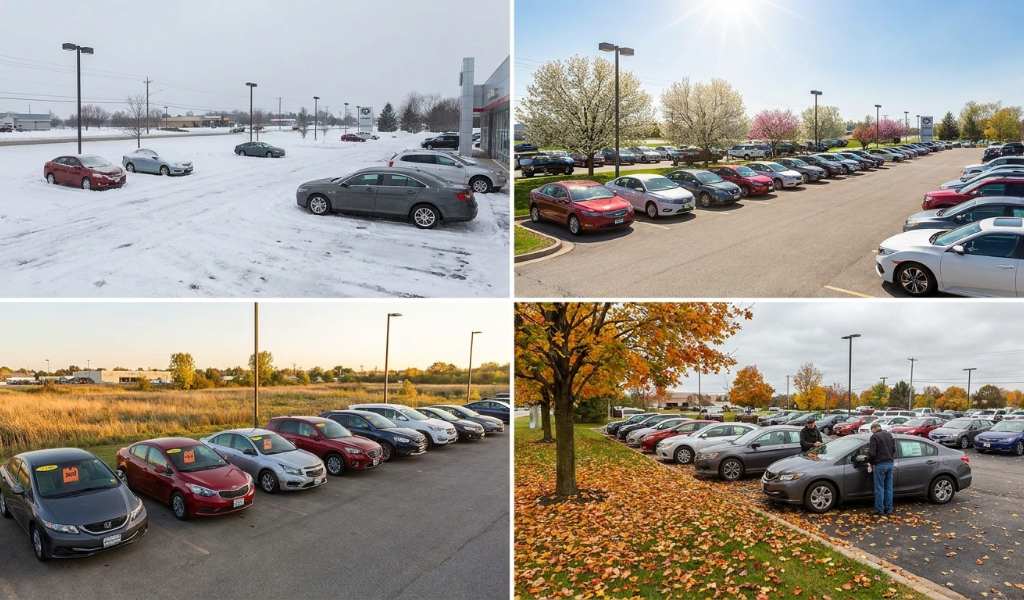
A quick ranking helps you set a target before you read the details. Think of it as a short list you can refine later.
The Cheapest Month to Buy a Car
December earns the title of cheapest month to buy a car in most years. Annual quotas, tax planning, and slow foot traffic all work together. Dealers also want clean books before January. October and November round out the top three. October brings model-year clearance, and November adds Black Friday incentives. Both months give you strong odds with less holiday rush than late December.
The Worst Month to Buy a Car
April and May usually rank as the worst months to buy a car. Refund checks bring crowds, and warm weather lifts demand. Consequently, dealers see little reason to cut prices. March and June can feel firm as well, though quarter-end deadlines sometimes help. Check current incentives before you write off either one.
Month-by-Month Breakdown
Each month below gets two quick notes. Use them to build a main target and a backup.
Winter Months
- December: Year-end quotas and bonus programs create the deepest discounts. Dealers also clear older stock before taxes arrive.
- January: Traffic drops after the holidays, so salespeople stay flexible. Leftover year-end stock still sits on many lots.
- February: Shopping stays slow for most of the month. Refund season starts late, so prices remain mild until then.
Spring Months
- March: Quarter-end pushes help early in the month. However, spring crowds start building and tighten the bargaining room.
- April: Refund money drives demand, so dealers hold firm. Your trade-in, though, often earns a strong value now.
- May: Memorial Day offers can help on popular trims. Even so, expect fewer deep cuts on hot sellers.
Summer Months
- June: Quarter-end targets create a short window for sharper offers. Mid-month prices tend to stay high.
- July: Slow summer traffic gives you more time and attention. Early model-year clearance also begins.
- August: Dealers make room for new arrivals, so outgoing models drop. Late August usually brings the best clearance.
Fall Months
- September: Clearance deals grow, and Labor Day promotions add pressure. This month suits buyers who want last year’s model.
- October: New models arrive, and older stock gets steeper discounts. Selection also stays strong.
- November: Black Friday brings some of the strongest incentives of the year. Crowds grow, so visit on a weekday.
Where Months Fit in the Bigger Picture
Months are one layer of the best time to buy a car, alongside weekdays and holidays. Each layer adds a little leverage. Stacking two or three gives you the strongest position. A late-December weekday, for example, beats a busy May Saturday by a wide margin. The month sets the mood, while the day sets your experience. Together, they shape the final number.
When Your Situation Beats the Month
Calendar advice only works when it fits your life. Several factors can outweigh even a perfect month.
- Vehicle type: Popular pickups and SUVs hold their prices in nearly every month.
- Region: Snowy states see all-wheel-drive demand rise in fall, so summer can cost less.
- Inventory: Tight supply cancels most discounts, no matter the date.
- Loan rate: A lower interest rate can save more than a bigger sticker cut. Imagine a $35,000 car that drops to about $33,500 in December but costs $34,500 in May. That $1,000 gap matters. Yet a one-point rate difference on a five-year loan can save about the same amount.
How to Use This List Without Overthinking It
A plan keeps the calendar working for you. Follow these steps in order.
- Pick two months: Choose a main target and a backup in case prices disappoint.
- Get pre-approved: Secure a loan offer from a bank or credit union first.
- Request quotes early: Ask for written prices during the last two weeks of the month.
- Compare out-the-door totals: Include taxes, fees, and add-ons in every quote.
- Walk away when needed: A weak offer in a good month still deserves a pass. Patience helps, yet it has limits. If your current car needs costly repairs, buying sooner may save more than waiting. Treat the calendar as a tool, not a rule.
Final Thoughts: Choose Your Month and Prepare Now
December leads the pack, but October and November deserve a close look. Spring asks for more caution, unless you find a surplus model or a strong rebate. Your own needs should always break the tie. Take action today by choosing two target months and checking your credit. Then collect written quotes from at least three dealers. Walk in ready, and let the calendar do the rest.
Frequently Asked Questions
What Is the Cheapest Month to Buy a Car?
December is usually the cheapest month because dealers chase year-end targets.
What Is the Worst Month to Buy a Car?
April and May tend to be the worst months because refund season lifts demand.
Is October a Good Month to Buy a Car?
Yes, October brings new models and steeper discounts on the outgoing ones.
Is January Better Than December for Car Deals?
December usually wins on price, while January offers calmer shopping and leftover stock.
Can I Get a Good Deal in Spring?
Yes, if you find a surplus model or a strong factory incentive.