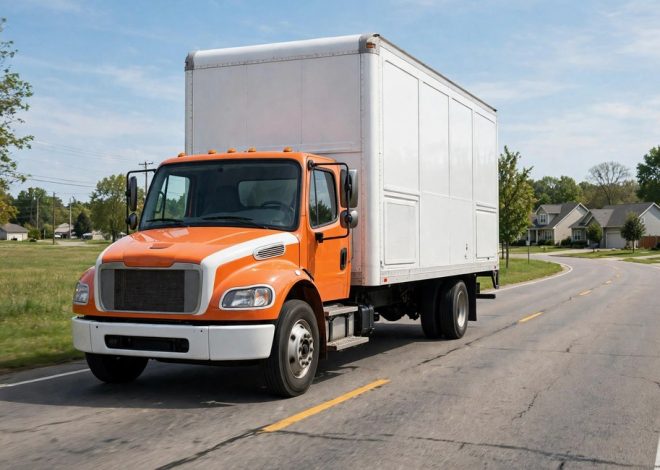
Budget Truck Sizes and Moving Capacity Compared
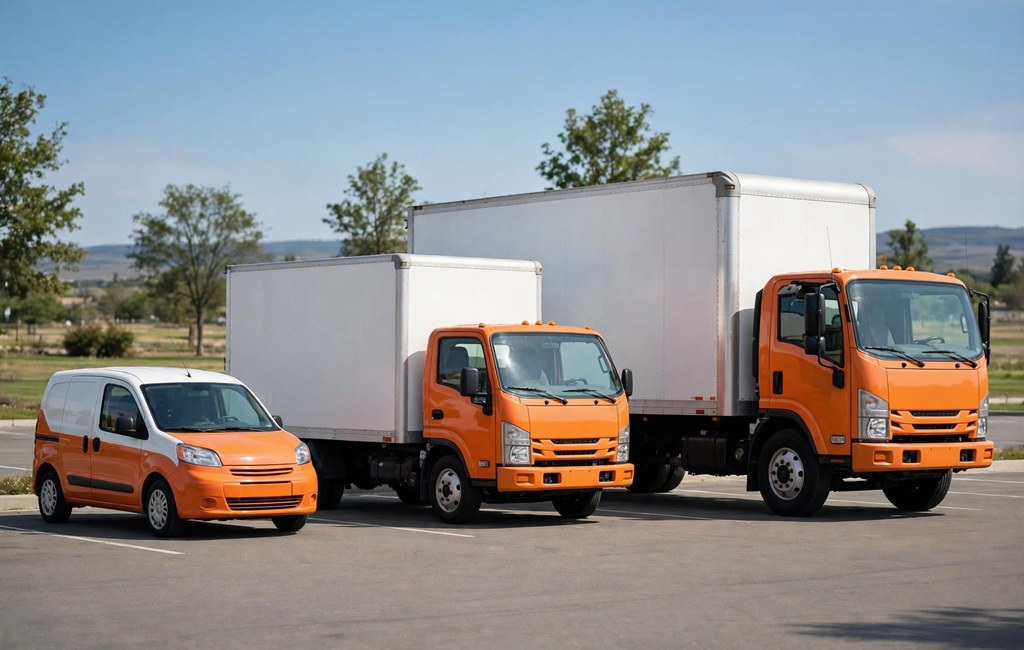
Budget truck sizes include a cargo van plus three box trucks for nearly every household move. Their published cargo space ranges from 323 to 1,698 cubic feet overall. Therefore, each size matches a clearly different home and furniture load.
Most people, however, choose by eyeballing a sofa from across the living room. That guess then fails at loading time when a mattress or dresser will not fit. Instead, a simple tape measure gives you a far more reliable answer every time. This comparison therefore anchors every size in real household inventories and actual furniture dimensions.
Why Eyeballing Your Furniture Goes Wrong
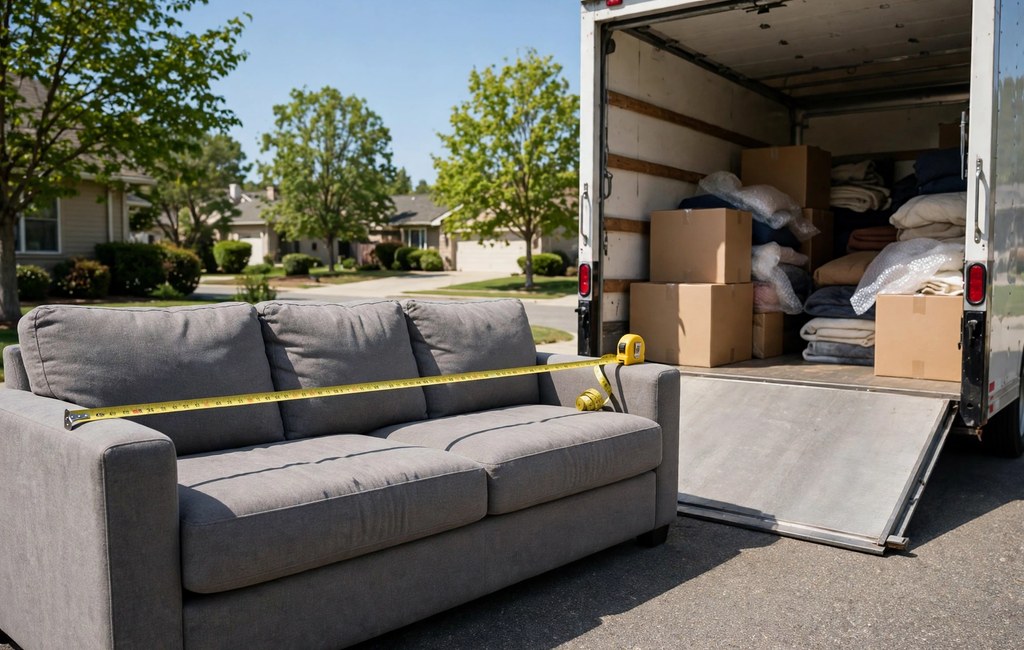
First, start your budget truck rental comparison with interior measurements, not truck names. For example, the 12-foot truck holds only 10 feet inside. Similarly, door height can block furniture that floor space would hold.
Also, cubic feet alone can mislead you during real loading work. Boxes stack tightly, while sofas leave large pockets of wasted space. Therefore, length, width, and height each deserve a separate careful check. Comparing budget truck sizes first keeps the reservation process simple.
Budget Truck Sizes at a Glance
Budget publishes four cargo options for household and light commercial moves. Three are box trucks, and one is a lower cargo van. Next, compare their published interior dimensions before matching any home size.
Budget estimates one room at roughly 150 to 200 cubic feet. That estimate, however, assumes average furniture and normal box counts overall. Therefore, heavily furnished rooms can exceed the estimate quite quickly indeed.
Cargo Van: The Smallest of the Budget Truck Sizes
The cargo van suits one room or a small studio home. It also drives easily through tight streets and low parking areas. However, Budget does not recommend it for contents beyond one room.
- Interior dimensions: Measures 11 feet long, 4 feet 5 inches wide, 5 feet high
- Cargo volume: Holds 323 cubic feet for compact, lighter household loads overall
- Payload limit: Carries up to 3,550 pounds of boxes and furniture safely
- Typical load: Fits up to 40 medium boxes and two furniture pieces
12-Foot Box Truck for Studios
The 12-foot box truck suits one to two rooms quite comfortably. Budget rates it for studio apartments and small one-bedroom homes specifically. Also, it holds up to 120 medium boxes when packed well.
- Interior dimensions: Measures 10 feet long, 6 feet 3 inches wide, 6 feet high
- Cargo volume: Provides 380 cubic feet of squared, stackable loading space overall
- Payload limit: Carries up to 3,610 pounds of household belongings per load
- Typical load: Fits one to five medium furniture pieces plus stacked boxes
16-Foot Box Truck for Small Homes
The 16-foot truck is Budget’s most popular household size overall. It covers three to four rooms or a one-bedroom home comfortably. Additionally, it adds a loading ramp and useful towing capability too.
- Interior dimensions: Measures 16 feet long, 6 feet 3 inches wide, 6 feet 7 inches high
- Cargo volume: Provides 658 cubic feet for fuller apartments and small homes
- Payload limit: Carries up to 4,460 pounds of furniture and boxes safely
- Typical load: Fits up to 250 medium boxes and ten furniture pieces
26-Foot Box Truck for Larger Homes
The 26-foot truck handles five to eight rooms per single load. Budget positions it for two to three bedroom homes and townhomes. Finally, it also includes a loading ramp and towing capability standard. Rental lots stock all budget truck sizes through the moving season.
- Interior dimensions: Measures 26 feet long, 8 feet 1 inch wide, 8 feet 1 inch high
- Cargo volume: Provides 1,698 cubic feet, the largest capacity Budget publishes overall
- Payload limit: Carries up to 9,180 pounds of household belongings per load
- Typical load: Fits up to 500 medium boxes and fifteen furniture pieces
Payload Limits for Budget Truck Sizes
Volume tells you how much space a truck visually offers you. Payload, however, tells you how much weight it legally carries overall. Therefore, a visually half-full truck can still exceed its weight limit.
Books, tools, and appliances add weight far faster than bedding does. For example, packed book boxes often overload smaller trucks surprisingly quickly. As a result, spread heavy items low and evenly across floors. Guides rank budget truck sizes by rooms moved and payload together.
Studio and Apartment Moving Requirements
A studio load usually centers on a bed, sofa, and desk. A cargo van then handles light studio moves with minimal furniture. However, a fuller studio usually needs the 12-foot box truck instead.
One-bedroom apartments add a dining set and larger wardrobes over time. Also, extra closets and storage bins quietly expand the total load. Therefore, borderline one-bedroom loads often fit better in 16 feet overall. Choosing between budget truck sizes shapes loading, driving, and parking.
Two-Bedroom and Larger Household Moves
A lightly furnished two-bedroom apartment can fit the 16-foot truck comfortably. A fully furnished two-bedroom home, however, usually needs 26 feet instead. Garages, spare rooms, and patio furniture then push loads upward quickly.
Larger homes benefit from the 26-foot truck’s taller cargo box overall. Its 8-foot 1-inch height also accepts tall wardrobes and bookcases upright. Additionally, its wider floor simplifies loading sofas and large dining tables.
Three-bedroom homes usually add appliances, children’s furniture, and stored seasonal items. Those extras, meanwhile, consume floor length faster than most people expect. Therefore, plan one full load carefully or schedule a second trip. Most movers book budget truck sizes one step above their first estimate.
Cargo Van Versus Box Truck Differences
Cargo vans sit lower and drive more like passenger vehicles overall. In contrast, box trucks stand taller and hold furniture fully upright. Vans also lack the separate, squared cargo box that trucks provide.
Box trucks offer straight walls, tie-down slats, and flat loading floors. Sixteen and 26-foot models also add ramps for heavy items specifically. Therefore, choose a van for access and a truck for volume.
How Furniture Dimensions Change Your Choice
A king mattress, sectional sofa, or tall armoire changes everything quickly. First, check each piece against the rear door opening very carefully. For example, the 12-foot rear door measures five feet eleven inches wide.
Height matters when wardrobes cannot tilt through a low doorway safely. Width matters when sofas must turn inside a narrow cargo box. Also, length matters when dining tables exceed shorter cargo floors entirely.
Next, measure diagonal depth for corner sofas and large entertainment units. Some pieces fit lengthwise but cannot turn through the rear door. Therefore, measure the turning path, not just the final resting space.
How to Measure Before Booking Budget Truck Sizes
Start room by room with a tape measure and notebook ready. Then, work through the following checks before you reserve any truck.
- Room inventory: List every furniture piece and box count in each room
- Piece measurements: Record length, width, and height for each large item carefully
- Door check: Compare your widest piece against the rear door opening directly
- Weight estimate: Flag books, tools, and appliances as heavy load items early
Then, total your room volumes and compare them against published capacities. If totals sit close, choose the next size up with confidence. Finally, confirm the specific truck’s measurements again at booking time directly. Published specifications can vary slightly by make, model, and year.
Frequently Asked Questions
What size Budget truck do I need for a studio apartment?
Most studio moves fit a cargo van or 12-foot truck comfortably.
How much can a 16-foot Budget truck hold?
It holds 658 cubic feet, 250 medium boxes, and 4,460 pounds.
What fits in a 26-foot Budget truck?
It fits five to eight rooms from larger household moves overall.
Can a cargo van carry a queen-size mattress?
Budget does not recommend cargo vans for queen-size mattresses at all.
What size truck suits a two-bedroom apartment?
Most two-bedroom apartments need the 16-foot or 26-foot truck size.
Conclusion
Measure first, then match your inventory against each published truck capacity. Next, reserve the size that fits your largest furniture piece comfortably. Book your truck today and load with confidence on moving day.