Budget Truck Rental Guide for a Smooth Move
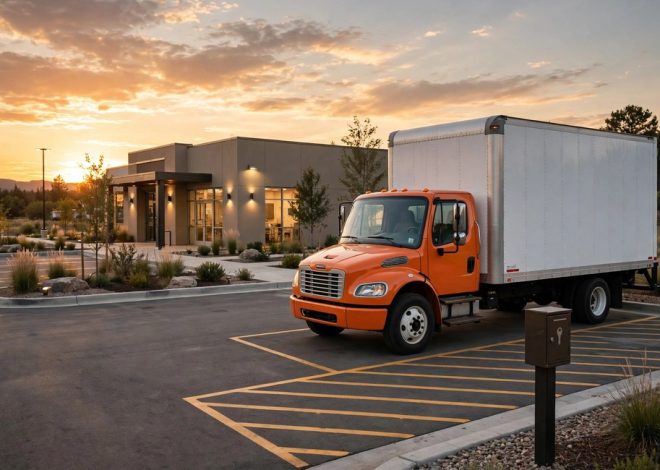
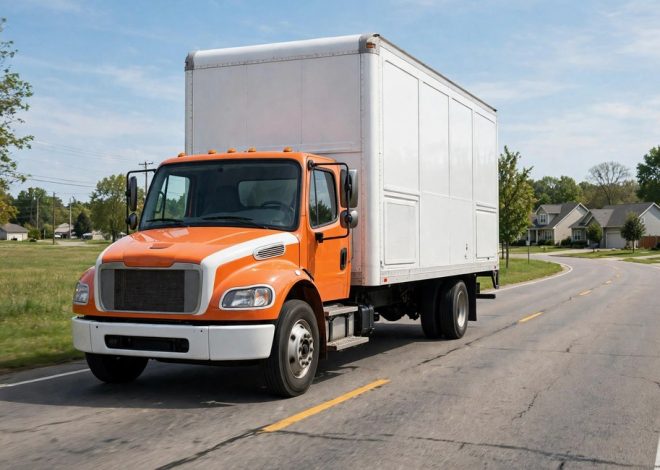
Budget Truck Rental lets you reserve, load, and drive a moving truck yourself. First, you check the rental requirements before you book any truck. Then you choose a size, sign the agreement, and start loading.
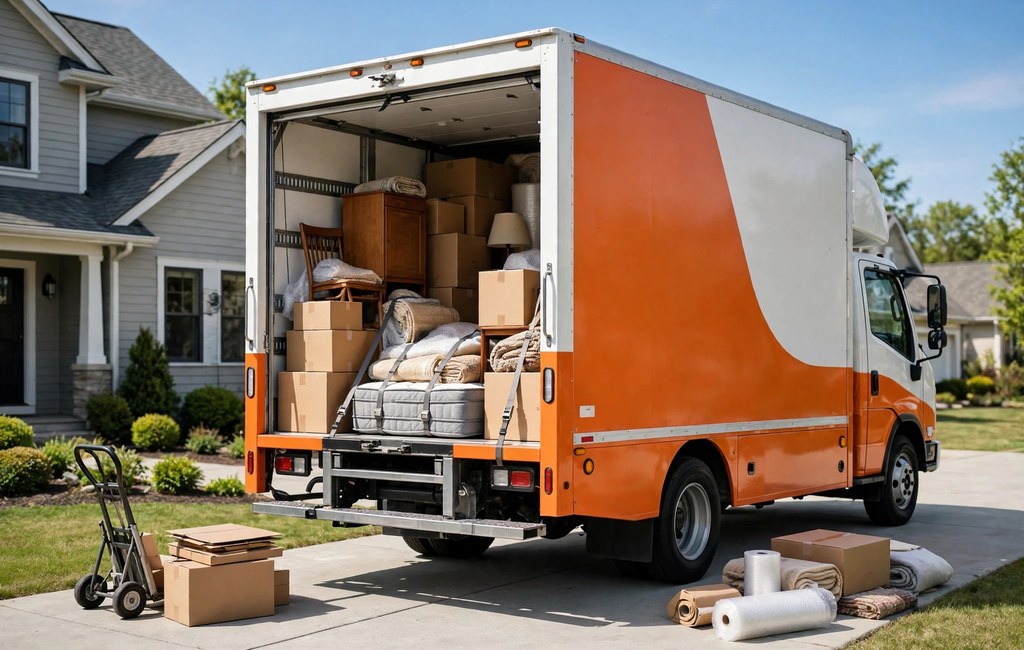
Next, picture a driveway stacked with sofas, boxes, and a loose mattress. That crowded scene overwhelms many renters before they even start packing. However, a clear plan turns that chaos into simple, ordered steps.
This guide follows your real rental journey from eligibility to return. Therefore, you will understand each charge, document, and safety choice beforehand. Finally, you will finish moving day feeling prepared, calm, and confident.
How Budget Truck Rental Works From Start to Finish
Budget Truck Rental serves households, students, and businesses moving goods themselves. Also, the service operates through local rental locations in many communities. Renters reserve a truck, collect it, load it, and return it.
First, you enter pickup details, return details, and your preferred truck size. Next, the booking system shows available trucks and an estimated total. Then you confirm the reservation and receive confirmation details for pickup.
Budget keeps the basic process simple for first time renters too. For example, you handle packing, loading, driving, and unloading yourself. In addition, staff at the counter explain the agreement before departure.
However, a reservation does not promise one specific individual truck. Locations instead assign an available truck from your chosen size class. Therefore, you should confirm availability again shortly before pickup day.
Meanwhile, you choose between returning the truck to the same location. Alternatively, you can arrange a different return location for longer moves. This choice shapes your mileage terms, rental days, and total estimate.
Finally, staff inspect the returned truck and close your rental agreement. Then the location settles fuel, mileage, and any additional charges. As a result, careful driving and timely returns protect your final bill. Every budget truck rental follows the same basic steps from reservation to return.
Who Can Rent and What Documents You Need
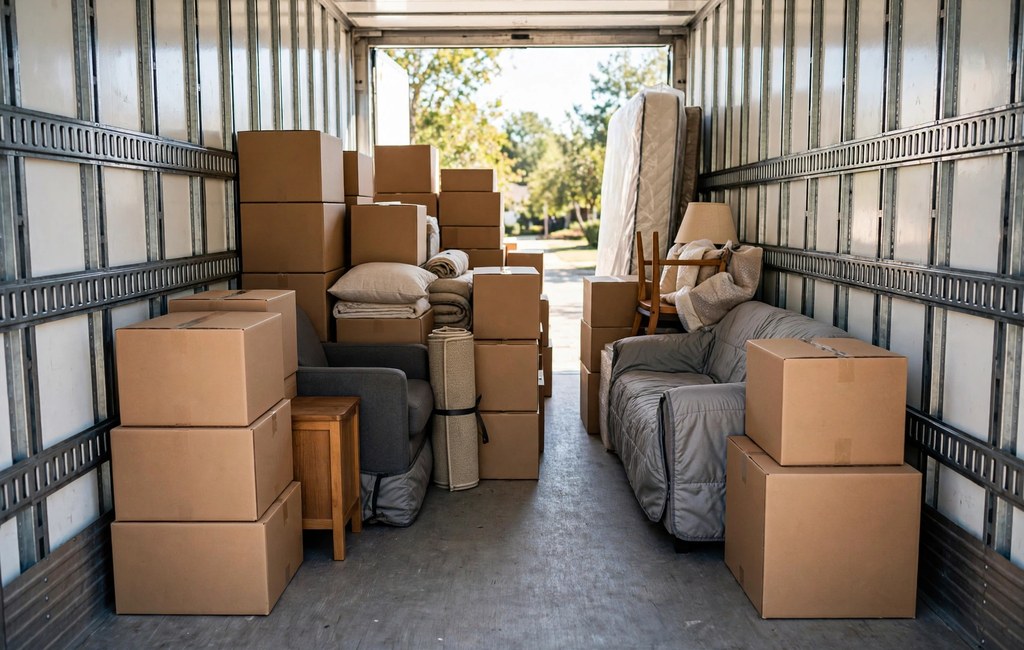
Eligibility rules protect both the renter and the rental location. Also, these rules vary somewhat between locations and rental types. Therefore, you should verify local rules before you reserve a truck.
Most locations rent trucks to customers aged twenty four and older. However, some locations also rent to younger drivers in limited circumstances. For example, select locations accept drivers aged eighteen to twenty three.
Younger renters usually present extra identification and pay an underage surcharge. Similarly, military renters with official orders may qualify at eighteen. Still, every location sets its own final age policy at pickup.
First, you need a valid driver’s license in your own name. The license must cover the truck class you plan to drive. Meanwhile, staff will not accept a learner permit for truck rental.
Next, renters with licenses from outside the country should prepare carefully. For example, locations may request a translation or additional supporting identification. Therefore, you should ask the location about foreign license rules early.
Renters do not need a commercial license for these moving trucks. Instead, a standard valid license covers the cargo van and trucks. However, commercial users should confirm licensing rules for their specific load.
Then you need an accepted payment method in your name. Most locations accept major credit cards for reservations and deposits. Also, some locations accept debit cards under stricter conditions and checks.
- Valid license: Present a current license that matches your reservation name exactly.
- Payment card: Bring a card in your name for charges and deposits.
- Second identification: Carry extra photo identification when the location requests it.
- Reservation details: Show your confirmation and pickup location information at the counter.
Finally, additional drivers must also meet the same basic rules. Each additional driver presents a valid license at the counter. In addition, locations may charge a fee for each additional driver. Most budget truck rental questions come down to size, cost, and timing.
Types of Budget Rental Trucks You Can Choose
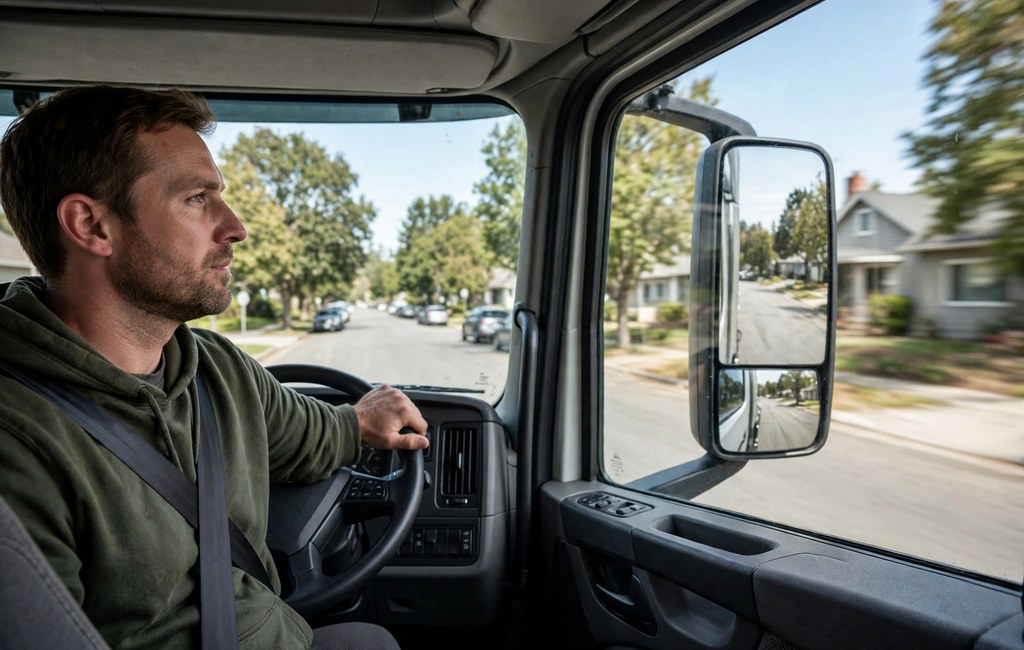
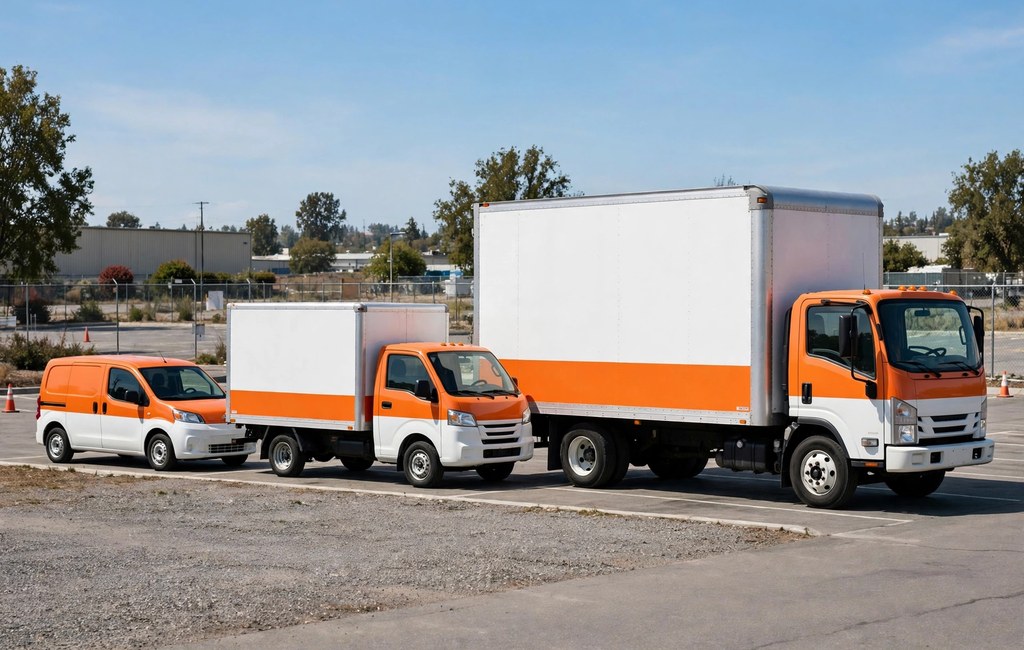
Budget offers one cargo van and three box truck sizes. Also, this simple lineup helps renters compare space without confusion. You simply match your rooms and furniture to the nearest size.
First, the cargo van suits small loads and tight streets. Renters use vans for dorm moves, deliveries, and single furniture pieces. Moreover, vans drive much like larger personal vehicles for beginners.
Next, the twelve foot truck suits studios and small apartments. This truck gives renters an enclosed box and easier city handling. However, this size offers no loading ramp on most units.
Then the sixteen foot truck serves mid size household moves. Budget describes this size as its most popular rental truck. In addition, this truck adds a loading ramp and towing capability.
Finally, the twenty six foot truck handles large household moves. Renters choose it for multi bedroom homes and bulky furniture sets. Similarly, this truck includes a loading ramp and towing capability.
Availability always depends on location, date, and local fleet demand. Therefore, popular sizes often disappear first during busy moving periods. As a result, early reservations give renters the widest size choice.
Also, some trucks include features that ease loading and driving. For example, larger trucks offer ramps, tie down points, and wider doors. Meanwhile, renters should confirm specific features with the pickup location directly. A budget truck rental rewards renters who plan the schedule early.
Budget Truck Rental Sizes and Cargo Capacity
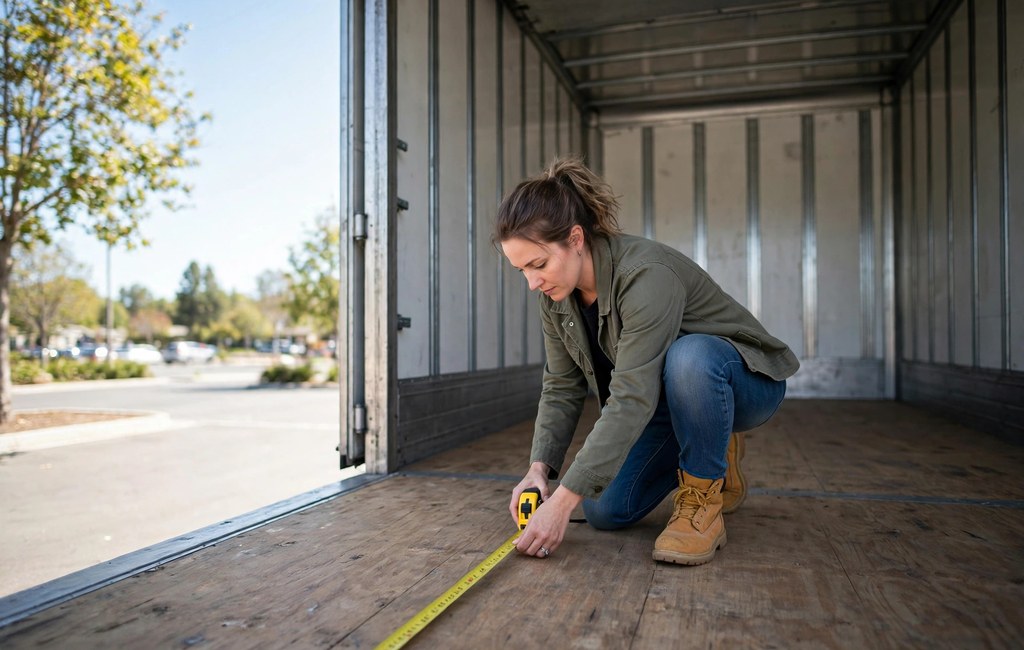
Choosing size well prevents extra trips and dangerous overloading later. First, review the published truck sizes and capacity figures carefully. Then match those figures against your heaviest and bulkiest items.
The cargo van holds roughly forty medium boxes in total. Also, renters fit one or two medium furniture pieces inside. Therefore, students and single room movers often choose this van.
Next, the twelve foot truck holds about one hundred twenty boxes. Renters also fit one to five medium furniture pieces inside. This size suits one or two rooms of household belongings.
Then the sixteen foot truck holds about two hundred fifty boxes. Renters fit up to ten medium furniture pieces inside it. Moreover, its ramp supports loads up to its stated ramp limit.
Finally, the twenty six foot truck holds about five hundred boxes. Renters fit up to fifteen medium furniture pieces inside it. In addition, renters gain the largest cargo volume in the fleet.
- Cargo van: Choose it for dorm rooms and a few furniture pieces.
- Twelve foot truck: Choose it for studios and one bedroom apartments.
- Sixteen foot truck: Choose it for three or four room homes.
- Twenty six foot truck: Choose it for five to eight room homes.
However, box counts only estimate space and never guarantee fit. Bulky sofas, pianos, and appliances consume space far faster than boxes. Therefore, you should measure large items before you select a size.
Weight limits matter just as much as floor space here. Also, heavy items like books and tools quickly raise total weight. As a result, sensible renters leave a safety margin below capacity. Each budget truck rental includes a set return time on the agreement.
One Way Versus Local Rentals Explained Clearly
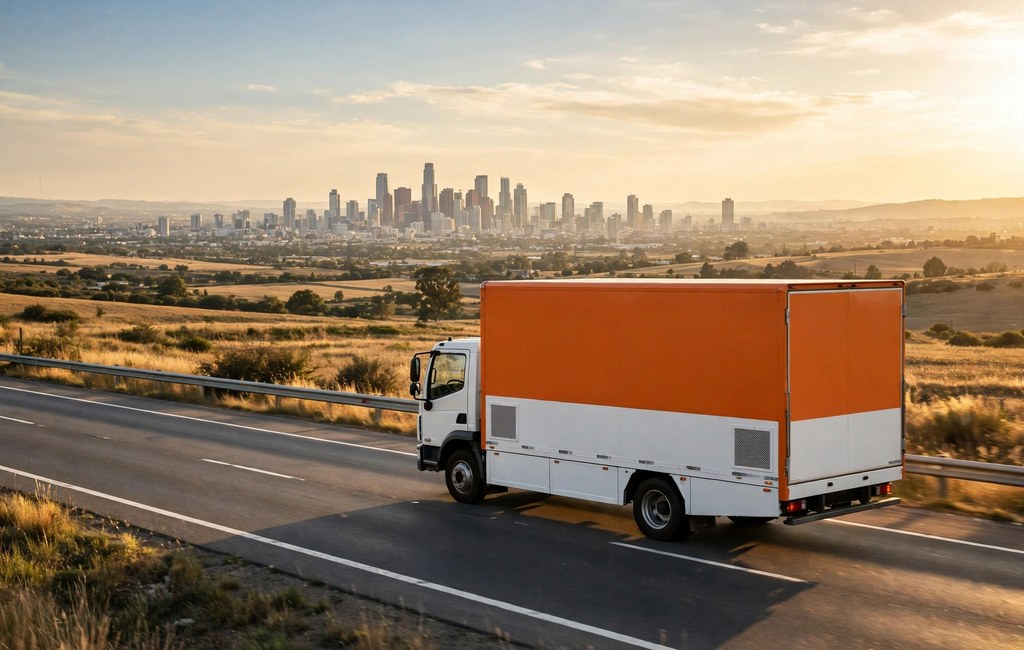
Local rentals start and finish at the same rental location. Also, local renters usually pay a daily rate plus mileage. Therefore, short city moves often suit this simple rental pattern.
In contrast, one way rentals finish at a different location. Renters pick up near home and drop off near their destination. This pattern suits city to city and longer distance moves.
First, compare one way versus local rentals against your actual route. Next, count your return travel time, fuel, and extra mileage carefully. Then choose the pattern that lowers total effort and cost.
One way quotes usually bundle rental days and mileage together. However, each quote sets specific days and miles for your route. Therefore, you should check those allowances before you accept terms.
Local rentals instead give renters flexible same day working windows. For example, you can load, unload, and return within one day. Meanwhile, busy renters sometimes extend local rentals by extra days.
Finally, unauthorized drop offs create serious extra charges and problems. You must return the truck only to an agreed location. As a result, always confirm any location change with staff beforehand. Planning a budget truck rental starts with an honest furniture count.
Understanding Rental Costs and Additional Fees

Your quote combines several charges into one estimated total amount. First, understand rental costs and fees before you compare truck sizes. Then you can judge value beyond the headline daily rate.
The base rate covers the truck for your agreed rental period. Also, larger trucks and longer periods raise the base rate. Moreover, peak weekends and busy seasons often raise base rates.
Next, local rentals usually add a charge for each mile driven. One way rentals instead include mileage inside the quoted package. Therefore, your rental type strongly shapes the final mileage charge.
- Base rate: Covers the truck itself for your agreed rental period.
- Mileage charge: Applies per mile on many local rental agreements.
- Equipment charge: Covers dollies, pads, and towing gear you add.
- Protection charge: Covers optional damage and liability products you select.
- Taxes and fees: Include local taxes and location or environmental charges.
Then locations may hold a deposit on your payment card. This hold covers estimated charges plus a security amount. As a result, renters should keep enough available credit at pickup.
Additional fees usually follow preventable problems during the rental period. For example, late returns, fuel shortfalls, and tolls add extra charges. Similarly, cleaning needs and damage repairs increase the final bill.
Discounts sometimes reduce the base rate for eligible renters. For example, membership, student, and service programs may offer savings. However, discounts rarely remove taxes, mileage, or optional product charges.
Finally, read the full estimate before you confirm the booking. Check included days, included miles, and every optional add on. In addition, keep the confirmation for comparison at the counter. One budget truck rental can replace several car trips on moving day.
Budget Truck Rental Mileage and Fuel Requirements
Mileage rules differ clearly between local and one way rentals. First, review the mileage and fuel policies inside your quote. Then plan your route around those exact terms and limits.
Local renters usually pay for each mile beyond any included amount. Also, short detours and extra trips quickly add billable miles. Therefore, renters should map the shortest safe route before departure.
One way renters receive set days and miles for the route. Some longer one way quotes include generous or unlimited mileage terms. However, renters must still confirm the exact allowance in writing.
Next, extra miles beyond your allowance add charges at return. Renters can often buy additional miles in advance for less. Similarly, buying extra days early usually costs less than overrunning.
Fuel rules require you to replace fuel you actually use. Staff record the fuel level when you collect the truck. Then you return the truck at that same recorded level.
If you return the truck with less fuel, charges follow. The location refuels the truck and bills the missing fuel. In addition, the location may add a refueling service charge.
Finally, refuel close to the return location and keep the receipt. This habit proves your final fuel purchase if questions arise. As a result, simple fuel discipline prevents an avoidable closing dispute. The best budget truck rental experiences start with a careful pickup inspection.
Rental Insurance and Damage Protection Options
Personal car policies rarely cover large rental moving trucks fully. Also, home policies and card benefits usually exclude these trucks. Therefore, renters should review insurance and damage protection options carefully.
First, call your own insurer before you collect the truck. Ask directly whether your policy covers rental truck damage claims. Then decide which Budget protection products fill your remaining gaps.
Budget sells protection as individual products and bundled packages. For example, the Complete Protection Package bundles several protections together. In addition, Choice and Value packages offer narrower protection combinations.
The physical damage waiver limits your responsibility for truck damage. Also, this waiver can cover theft and towing equipment damage. However, renters must still follow every term in the agreement.
Next, supplemental liability insurance protects against claims from other people. It covers bodily injury and property damage claims after covered accidents. Moreover, it adds protection above the basic agreement liability limits.
Then personal accident and cargo protection covers people and belongings. It responds after events like collision, fire, flood, and overturn. Still, it excludes items like currency, jewelry, and fine art.
- Damage waiver: Limits your cost when the rental truck suffers damage.
- Supplemental liability: Adds protection against injury and property claims from others.
- Personal accident and cargo: Covers occupants and household cargo after covered events.
- Auto tow protection: Protects your personal vehicle while you tow it.
- Roadside assistance: Adds help for lockouts, fuel, and similar roadside problems.
Finally, declining protection leaves you responsible under the rental agreement. Damage, theft, and liability costs can reach very high amounts. As a result, most renters choose protection matching their risk comfort.
Moving Equipment and Additional Services
The right equipment saves your back, time, and furniture finish. Also, Budget lets renters add equipment directly to truck reservations. Therefore, you should reserve popular equipment early alongside your truck.
First, furniture pads protect wood, glass, and upholstery during transit. Renters wrap dressers, mirrors, and tables before loading them inside. Moreover, pads stop items rubbing together on longer road journeys.
Next, hand trucks move heavy boxes and appliances with less strain. A hand truck rolls loads across floors, sidewalks, and ramps. In addition, furniture dollies help renters shift bulky pieces indoors.
Then towing equipment helps renters bring a personal vehicle along. Budget offers both car carriers and car dollies for towing. However, renters can attach them only to larger rental trucks.
- Car carrier: Carries your whole vehicle above the road surface completely.
- Car dolly: Lifts the front wheels of front wheel drive vehicles.
- Furniture pads: Wrap furniture and fragile items against scratches and dings.
- Hand truck: Moves stacked boxes and appliances across flat surfaces.
Carriers suit all wheel drive and four wheel drive vehicles better. In contrast, dollies suit front wheel drive vehicles most commonly. Therefore, renters must confirm vehicle compatibility before reserving towing equipment.
Renters should also inspect every rented item before leaving the lot. Also, test dolly wheels, straps, and carrier lights with staff present. Then report defects immediately and request a replacement item on site.
Also, locations and partners may offer extra moving help locally. For example, renters can arrange loading help and storage separately. Finally, toll pass programs let renters use electronic toll lanes.
Pickup Day: Inspection, Paperwork, and Getting the Keys
Pickup sets the tone for the whole rental experience. Also, careful renters protect themselves by slowing down at pickup. Therefore, arrive early and allow time for every counter step.
First, present your license, payment card, and reservation confirmation. Next, staff verify your details and prepare the rental agreement. Then you review days, miles, protection, and return location together.
Read every charge line before you sign the rental agreement. For example, check equipment, protection products, and estimated totals closely. In addition, ask staff to explain any unfamiliar fee immediately.
Next, walk around the truck with the condition form. Note every dent, scratch, and mark before you drive away. Moreover, take clear photos of all sides and the roofline.
Then check the cargo box, ramp, lights, and tires. Test the ramp or rear door before you leave the lot. Similarly, confirm the fuel level and odometer reading on paper.
Finally, adjust mirrors and seat before entering moving traffic. Locate lights, wipers, hazard switches, and the fuel cap position. As a result, you will leave the lot feeling oriented.
Loading the Truck Safely and Protecting Your Belongings
Good loading protects belongings and keeps the truck stable. First, study loading a moving truck safely before lifting anything. Then load heavy pieces first and build balanced layers upward.
Place the heaviest furniture against the front wall first. Also, center heavy items between the left and right sides. This balance helps the truck handle predictably on the road.
Next, stack lighter boxes on top of sturdy furniture pieces. Fill gaps with pads, pillows, and soft household items. Moreover, tight packing stops loads shifting during braking and turning.
Then secure tall items with straps through built in tie points. Renters should stop mattresses and wardrobes from tipping during transit. In addition, keep fragile boxes clearly marked and placed last.
Use the ramp carefully and keep its surface clear. For example, two people should guide heavy appliances up the ramp. Similarly, hand trucks reduce strain on ramps and flat ground.
Finally, never exceed the truck’s stated weight capacity limit. Overloading strains brakes, tires, suspension, and your own safety margin. As a result, sensible renters sometimes choose the larger truck.
Driving a Larger Truck With Confidence and Care
Rental trucks feel wider, taller, and heavier than cars. First, practice driving a moving truck safely in quiet streets. Then enter busier roads once basic controls feel familiar.
Allow much longer stopping distances than your car needs. Also, brake earlier and more gently with a full load. Therefore, increase following distance in traffic, rain, and downhill sections.
Next, take turns wider and slower than usual. The rear wheels track inside the front wheels during turns. Moreover, wide turns protect curbs, signs, and nearby parked vehicles.
Watch height clearances before entering garages, canopies, and drive through lanes. For example, note the truck height posted inside the cab. In contrast, many car routes include bridges too low for trucks.
Then use mirrors constantly and ask a spotter when reversing. Blind spots hide cars, cyclists, and pedestrians behind the box. Similarly, slow reversing with guidance prevents most parking lot damage.
Finally, plan fuel stops, breaks, and parking before long drives. Choose wide lots and avoid tight streets whenever possible. As a result, calm planning keeps long moving days manageable.
Return, Extensions, and Keeping Your Schedule
Your rental agreement sets a firm date, time, and location. Also, many locations offer after hours drop off arrangements. Therefore, confirm return hours before your rental period even begins.
First, clean loose trash and personal items from the cab. Next, sweep the cargo box and remove all packing debris. Then refuel the truck to the recorded pickup fuel level.
Photograph the parked truck, fuel gauge, and odometer at return. Also, note the exact return time on your own records. Moreover, keep every receipt until the final charge settles fully.
If your move runs long, contact the location early. Staff may extend your rental when another booking allows it. In addition, buying extra time early usually costs less overall.
Renters should understand late returns and extensions before problems develop. Late local returns usually add another full day of charges. Similarly, late one way returns add daily and mileage charges.
Finally, early returns rarely produce refunds or rate adjustments. Agreements generally keep your booked days and miles unchanged. As a result, realistic scheduling beats optimistic scheduling every time.
Common Rental Problems and Practical Solutions
Problems happen, but prepared renters solve them without panic. Also, most common problems follow predictable patterns on moving day. Therefore, keep the location number and agreement within easy reach.
First, call the location immediately if your reserved size becomes unavailable. Ask staff about nearby locations or the next larger size. Moreover, flexible pickup timing often unlocks returned trucks later that day.
Next, contact roadside help promptly after breakdowns or flat tires. Pull into a safe place and switch on hazard lights. Then follow staff instructions rather than attempting risky roadside repairs.
If you cause or notice damage, report it honestly and quickly. Photograph the damage and record the time and place. In addition, your protection choice shapes your financial responsibility afterwards.
Then act fast when weather threatens your loading schedule. For example, cover furniture with pads and close the door between loads. Similarly, extra rental time beats rushing on wet ramps.
Also, plan a backup option when your schedule allows no delay. For example, identify a second nearby location before pickup day. Then a quick phone call can rescue a tight timeline.
Finally, dispute unfamiliar charges calmly with documents in hand. Compare the final bill against your agreement, photos, and receipts. As a result, clear records usually resolve billing questions quickly.
Planning Your Timeline and Packing Like a Pro
Smart timelines prevent rushed loading and costly extra rental days. First, work backward from your required arrival time at home. Then schedule packing, pickup, loading, driving, and unloading blocks separately.
Pack room by room and label every box on two sides. Also, group boxes by destination room for faster unloading later. Moreover, consistent labeling helps helpers place items without constant questions.
Next, set aside an essentials box for your first night. Include toiletries, chargers, snacks, bedding, and basic cleaning supplies inside. In addition, carry documents, keys, and medications inside the cab.
Declutter before packing and shrink the load you must move. For example, donate, sell, or recycle items you no longer use. As a result, you may fit comfortably into a smaller truck.
Then photograph valuable items and note their condition before loading. This record supports you if damage questions arise after return. Similarly, serial numbers and receipts strengthen any later protection claim.
Finally, confirm helpers, parking access, and elevator bookings in advance. Building rules often restrict loading docks, hours, and truck parking. Therefore, early calls to both buildings prevent moving day delays.
Saving Money Without Cutting Corners on Your Move
Careful planning lowers total cost more reliably than risky shortcuts. First, compare total estimates rather than headline daily rates alone. Then include mileage, fuel, protection, and equipment in every comparison.
Flexible dates often unlock lower rates on quieter rental days. Also, midweek moves frequently face less demand than weekend moves. However, you should confirm any price difference inside your quote.
Next, choose the smallest truck that safely fits your load. Oversizing wastes fuel and money on empty cargo space daily. In contrast, undersizing creates extra trips, miles, and rental time.
Return the truck on time, fueled, and clean every time. For example, simple discipline avoids late, refueling, and cleaning charges. Moreover, careful driving protects you from damage costs and claims.
Then decline equipment and protection you genuinely do not need. Still, never skip protection merely to save a small amount. Instead, match every optional product to your actual moving risk.
Finally, use eligible membership and program discounts whenever they apply. Ask the location which discounts your rental actually qualifies for. As a result, small savings can offset fuel and equipment costs.
Preparing Your New Home and Unloading With a Plan
Unloading runs faster when your destination welcomes the truck properly. First, clear a parking space close to the main entrance. Then check doorway widths, stairs, and tight corners before arrival.
Place furniture first and position each piece before unloading boxes. Also, direct helpers using your box labels and room plan. This order prevents crowded rooms and repeated heavy lifting later.
Next, inspect belongings quickly as helpers carry items inside. Note any transit damage before you return the rental truck. Moreover, photographs taken during unloading support any later protection claim.
Then keep walkways clear and stack empty boxes in one area. Clear paths reduce trips, falls, and accidental wall damage significantly. In addition, a broom nearby speeds the final truck sweep.
Finally, walk through the empty truck before you drive back. Check corners, the ramp area, and the cab for belongings. As a result, you will avoid losing small items during return.
Frequently Asked Questions
How old do you have to be to rent a Budget truck?
Most locations rent to drivers aged twenty four and older.
Do you need a special license to drive a Budget moving truck?
No, renters drive these trucks with a standard valid license.
Does Budget Truck Rental include unlimited mileage on rentals?
Some longer one way rentals include generous mileage, so confirm yours.
Can you return a Budget truck to a different location?
Yes, one way rentals let renters return trucks elsewhere by agreement.
What happens if you return a Budget truck late?
Late returns add extra daily charges and possible mileage charges.
Conclusion
A smooth move starts long before you lift the first box. Also, the right truck, documents, and protection remove most surprises. Therefore, treat preparation as part of the move itself.
First, reserve early and confirm size, location, and terms twice. Next, inspect carefully, load methodically, and drive with extra patience. Then return the truck clean, fueled, and on time.
Your helpers, belongings, and schedule all benefit from that discipline. Moreover, clear records protect you if any question follows later. In addition, simple planning tools now make coordination far easier.
Finally, explore modern moving planning tools and reserve your Budget truck today. Then gather your crew, confirm your pickup time, and move confidently.